




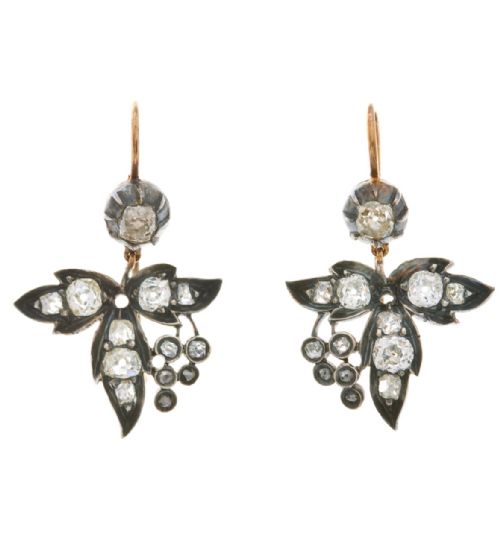
Victorian Floral Gold Drops
Victorian floral gold drops bring together delicate botanical motifs and warm metals, offering wearable history that collectors seek for everyday elegance.
Victorian Floral Gold Drops
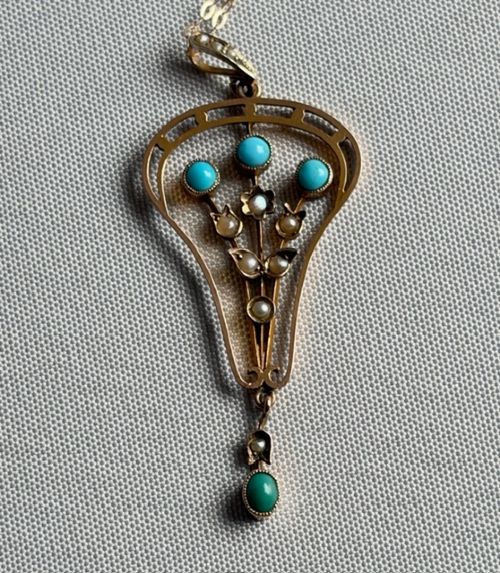
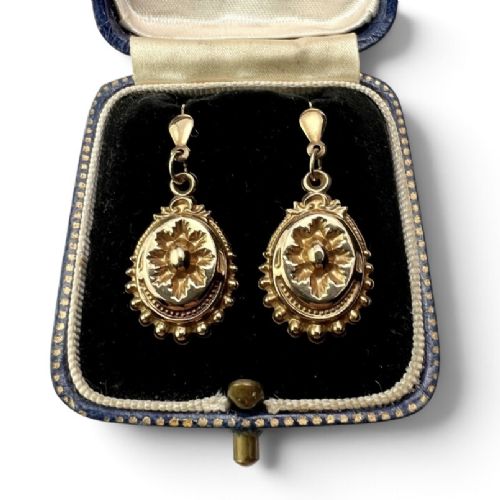
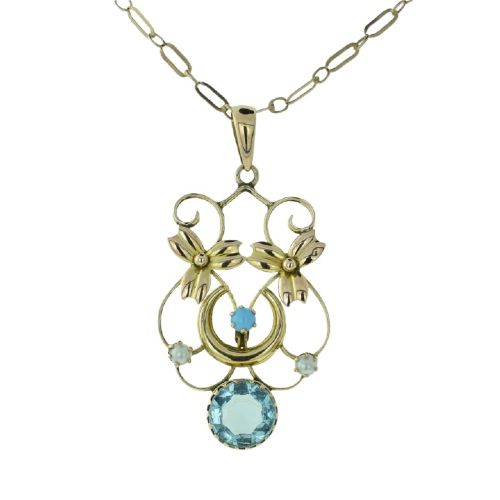
Victorian floral gold drops encompass earrings, pendants, and brooches shaped around foliate and botanical themes in yellow, rose, and white gold. These pieces draw from the Victorian period alongside later Edwardian influences, capturing natural forms through fine metalwork.
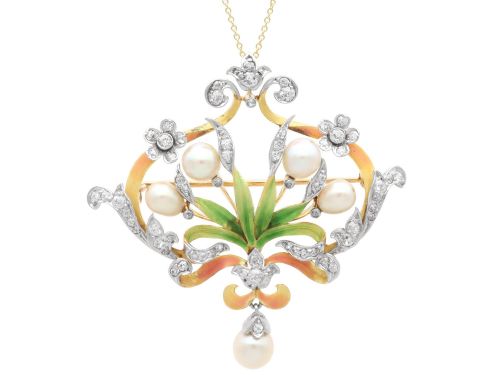
Earrings and pendants form the primary types met on this page, often incorporating seed pearls, diamonds, and enamel highlights. Pieces range from small Etruscan Revival drops to substantial floral pendants set with rose-cut diamonds and pearls.
The objects reflect the expansive design vocabulary of the nineteenth century, blending revival styles with naturalism. They survive as functional jewellery items intended to sit close to the skin.
Materials and construction
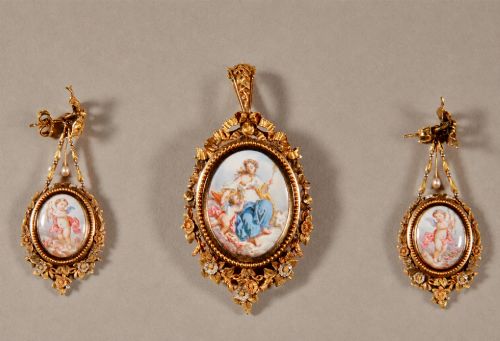
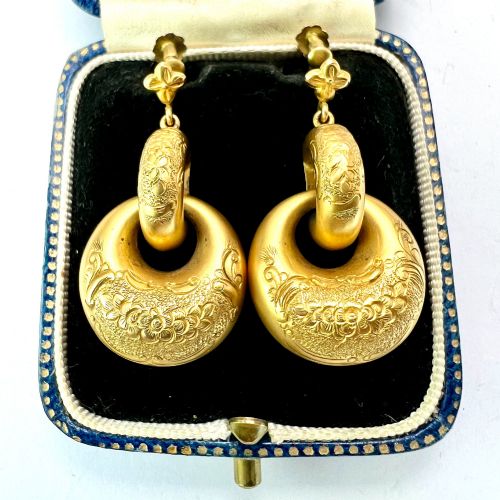
Craftsmen built these drops using 9ct and 15ct gold, alongside 18ct and 14ct variants, shaping the metal into hollow puffy hoops or flat plates. Enamel work and miniature porcelain painting add colour and detail to the surfaces.
Gems such as diamonds, seed pearls, natural saltwater pearls, turquoise, and amethyst are flush-set or bezel-set into the gold mounts. Construction methods combine cast elements with hand-engraved foliage and applied wirework typical of the period.
Victorian Floral Gold Drops Retail Price Guide 2026
Typical asking prices for victorian floral gold drops among the pieces listed under this phrase on Sellingantiques today, from the lower quarter to the upper quarter. They describe what is for sale here now, not the wider market.
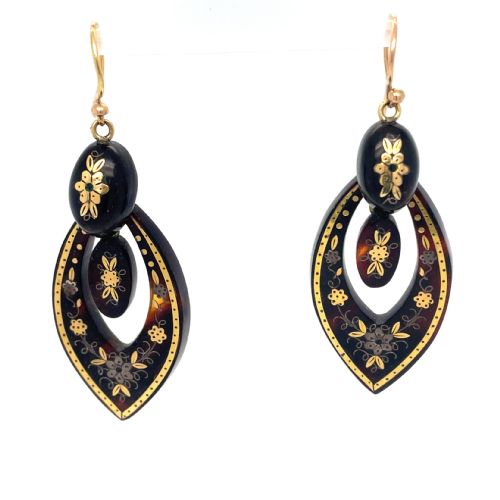
Listings feature items spanning the Victorian and Edwardian periods, constructed in 9ct, 14ct, 15ct, and 18ct gold alongside silver and tortoiseshell.
Assessing quality
Quality rests upon the crispness of the chased or engraved botanical details and the precision of the stone settings. Pieces that exhibit balanced proportions and intact enamel or fine miniature painting stand apart from plainer work.
The choice of materials shifts the character of the piece, with natural saltwater pearls and old-cut diamonds marking out finer items against simpler gold or tortoiseshell examples.
The Victorian Floral Gold Drops Glossary
- Etruscan Revival
- A nineteenth-century style inspired by archaeological discoveries, featuring applied gold wire and granular decoration.
- Parure
- A matching set of jewellery designed to be worn together, which may include earrings, a necklace, and a brooch.
- Rose-cut
- An antique diamond cut with a flat base and a faceted dome, producing a soft reflection of light rather than sharp brilliance.
- Seed pearl
- A very small natural pearl, often drilled and strung or set in clusters to mimic floral buds.
- Pique
- A technique of inlaying gold or silver piqués into tortoiseshell or ivory surfaces.
Victorian Floral Gold Drops: Frequently Asked Questions
What materials are used in these gold drops?
These pieces incorporate 9ct, 14ct, 15ct, and 18ct gold alongside silver mounts. Common decorative elements include diamonds, natural saltwater pearls, seed pearls, turquoise, amethyst, and enamel.
Some examples also feature organic materials like tortoiseshell or delicate porcelain miniature painting, reflecting the varied decorative tastes of the nineteenth century.
How do I care for antique pearl jewellery?
Pearls are organic gems that require gentle handling and protection from harsh chemicals, perfumes, and cosmetics. Wipe them with a soft cloth after wearing to remove oils and residues.
Store them separately from harder gemstones to prevent scratching, and avoid submerging antique pearl mounts in liquid cleaning solutions.
Can I wear these drops every day?
Many of these pieces were built for regular wear during the Victorian era, but their age requires a mindful approach. Puffy gold hoops and sturdy pendants withstand careful daily use.
Items with delicate seed pearls, enamel, or miniature paintings benefit from occasional wear rather than constant daily exposure to prevent accidental damage.
How do I distinguish Victorian from Edwardian styles?
Victorian design often employs heavier gold weights, warmer rose and yellow tones, and rich revival motifs such as Etruscan wirework or dark enamel. Stones are frequently set in closed-back or heavy bezels.
Edwardian pieces generally lean towards lighter constructions in yellow gold and silver, favouring airy floral sprays, lace-like platinum accents, and brighter diamond clusters.