



Victorian Fireplace Basket
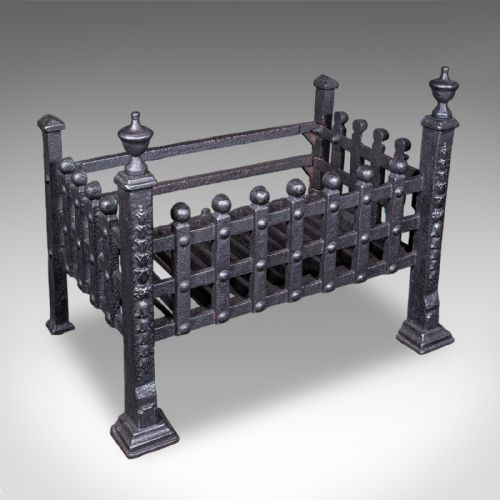
These Victorian fireplace basket examples bring functional warmth and robust metalwork to the hearth, offering sturdy vessels for coal, logs and ash.
Victorian Fireplace Basket
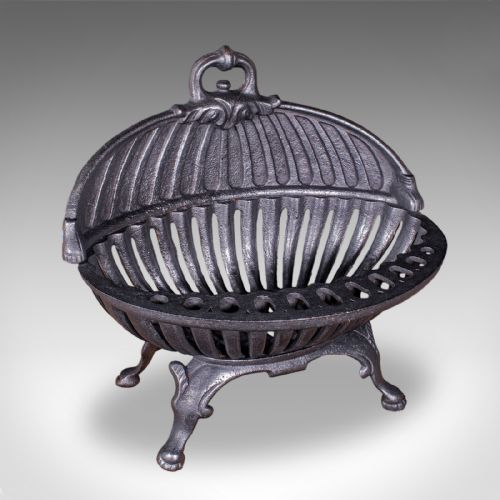
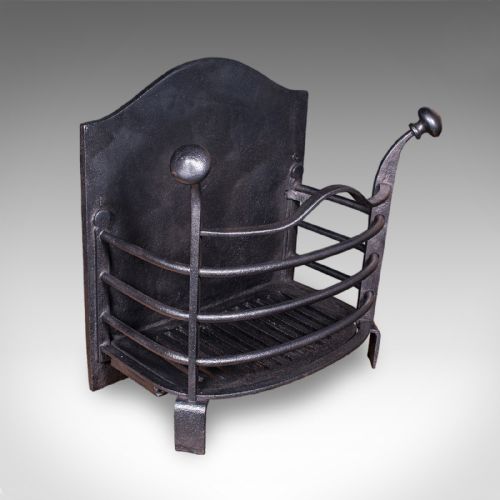
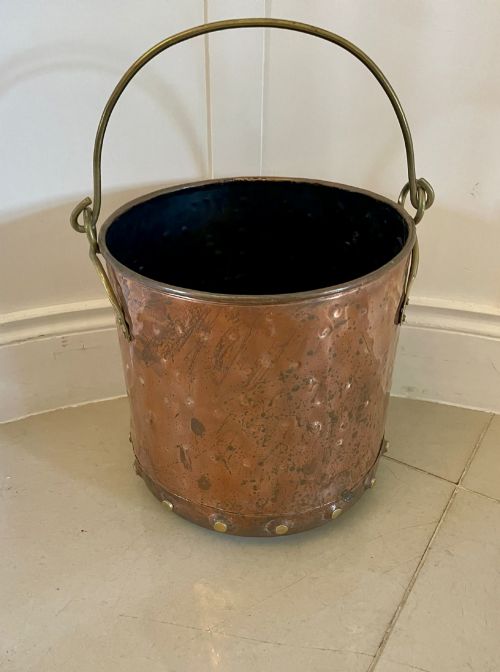
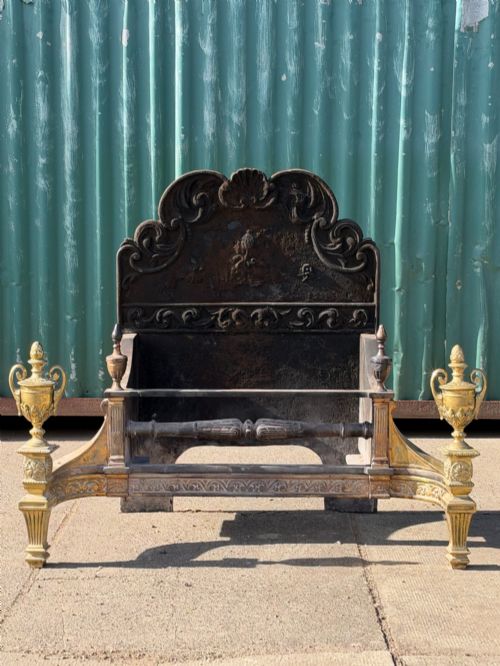
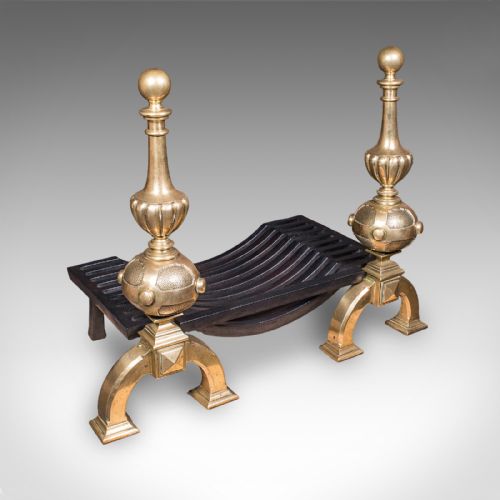
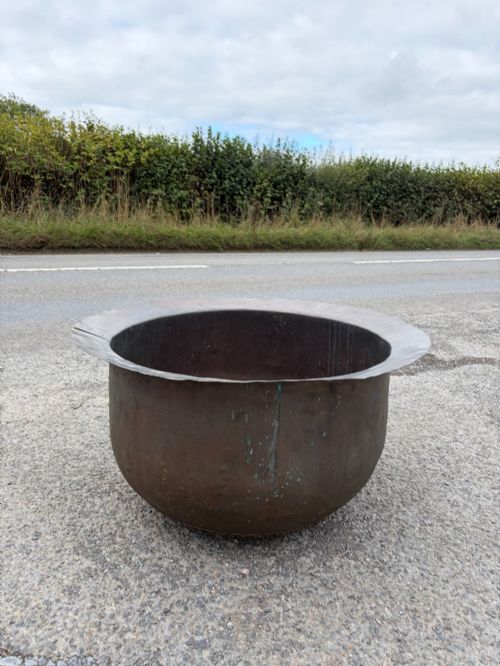
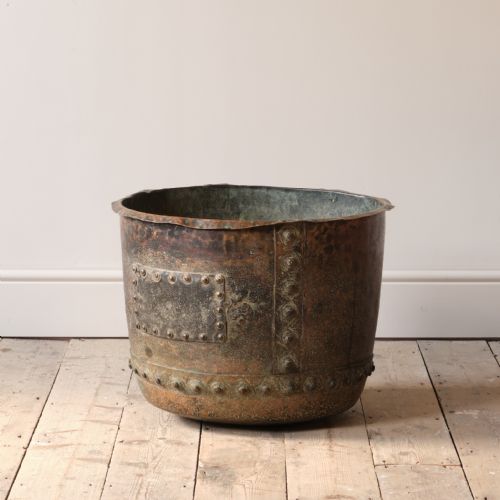
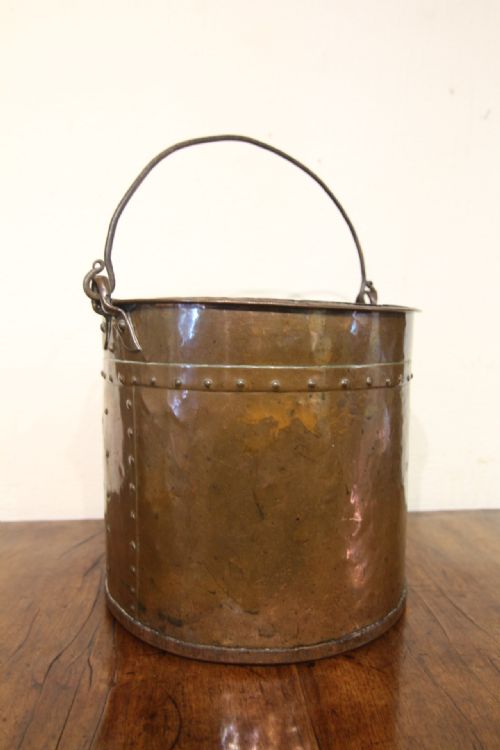
A victorian fireplace basket encompasses sturdy iron fire grates, open hearth baskets and auxiliary fuel vessels like coal buckets and log bins designed for nineteenth-century domestic heating. The examples appearing on this page span freestanding grates paired with heavy andirons, riveted copper containers and allied fireside accessories originating across the nineteenth century.
Buyers encounter objects built for both the formal hearth and the country house inglenook, ranging from cast iron fire baskets to polished copper coal scuttles. These items combine practical fuel storage with decorative metalwork suited to period fireplaces.
How they were made
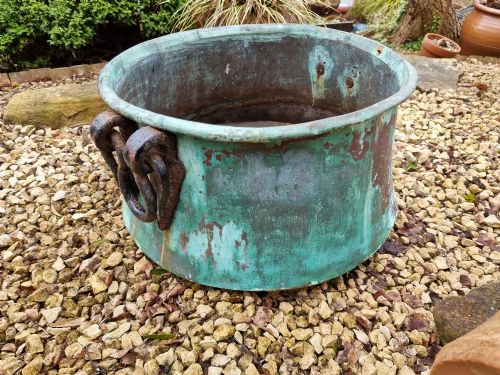
The construction relies on durable metals including cast iron, wrought iron, brass and copper, frequently joined by hand-riveting on fuel buckets and heavy casting on fire grates. Artisans shaped sheet copper and brass into vessels with contrasting iron handles, while fire baskets utilise robust iron bars designed to withstand intense hearth heat.
Surface finishes range from polished brass and planished copper to patinated iron and verdigris surfaces, sometimes complemented by wood components or oil paint details.
Victorian Fireplace Basket Retail Price Guide 2026
Typical asking prices for victorian fireplace basket among the pieces listed under this phrase on Sellingantiques today, from the lower quarter to the upper quarter. They describe what is for sale here now, not the wider market.
Listings feature items spanning the nineteenth century, utilising copper, brass, cast iron, and wrought iron in styles ranging from Arts and Crafts to Gothic Revival.
What varies in quality
Quality reveals itself in the substance of the metal and the integrity of construction, distinguishing heavy cast or riveted vessels from lighter stamped alternatives. Superior fire baskets and coal buckets display substantial gauge metals, secure handle mountings and careful hand-finishing.
The sophistication of the metalwork, whether through crisp casting on neo-gothic grates or precise hand-riveting on copper bins, separates standard utility items from finer workshop production.
Petrus Ramus
The Victorian Fireplace Basket Glossary
- Fire Basket
- An open metal grate designed to hold coal or wood within a fireplace opening. These units often sit upon independent andirons or form part of a complete hearth assembly.
- Andirons
- Metal supports placed on either side of a hearth to hold burning logs or support a fire basket. They are frequently forged from iron and paired with matching grates.
- Coal Scuttle
- A specialised bucket or container designed for carrying and storing domestic coal near the fire. Period examples often feature hinged lids, swing handles and brass or copper construction.
- Log Bin
- A large container used to store firewood beside the hearth. Many surviving nineteenth-century examples utilise heavy riveted copper or brass with wrought iron fittings.
- Register Grate
- A metal fireplace insert equipped with a movable plate or damper to control the draught. This form became common in nineteenth-century domestic interiors.
Victorian Fireplace Basket: Frequently Asked Questions
What is a victorian fireplace basket used for?
These metal baskets hold solid fuels such as coal or wood securely within an open hearth during combustion. They elevate the fuel to allow proper airflow underneath the fire.
Beyond burning fuel, related items such as copper buckets and log bins serve to store and transport wood and coal beside the fireplace.
How do I choose the correct size?
Measure the width, depth and height of your fireplace opening carefully before selecting any fire basket or grate. Free-standing grates and andirons must fit comfortably within the brick recess while leaving adequate clearance around the sides.
Fuel buckets and log bins require less strict measurement but should be scaled appropriately to the room and the volume of logs you intend to store.
Can these grates burn real wood?
Cast iron and wrought iron fire baskets were originally manufactured for burning coal, wood or peat in nineteenth-century hearths. Their robust metal construction handles high temperatures generated by solid fuel fires.
Buyers should inspect the specific grate for structural thickness and ensure it suits their intended fuel type and modern safety standards.
How do I clean copper coal buckets?
Maintain copper surfaces by dusting regularly with a soft cloth and washing gently with mild soapy water when necessary. Avoid harsh abrasives that remove the historic patina accumulated over the nineteenth century.
Unpolished pieces with verdigris finishes require minimal intervention to preserve their aged appearance, whereas polished brass and copper details respond well to traditional metal cleaners.