

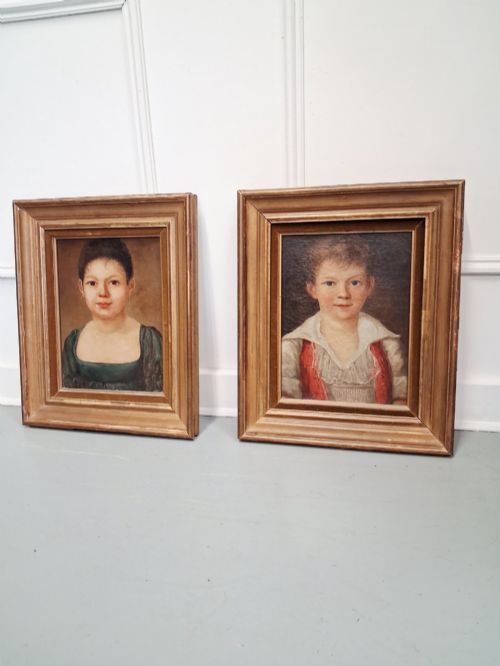
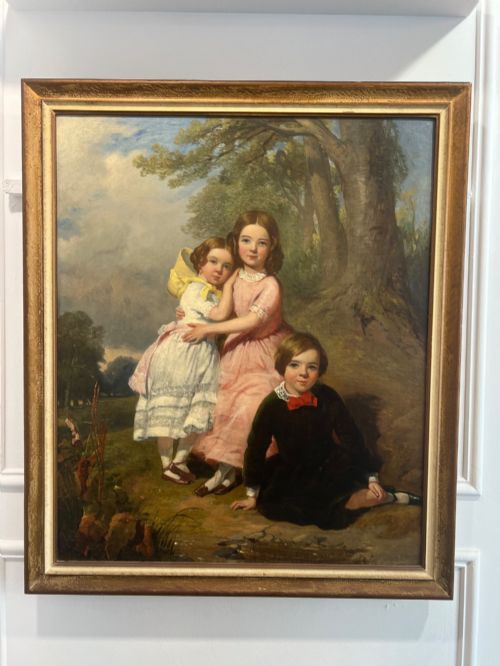
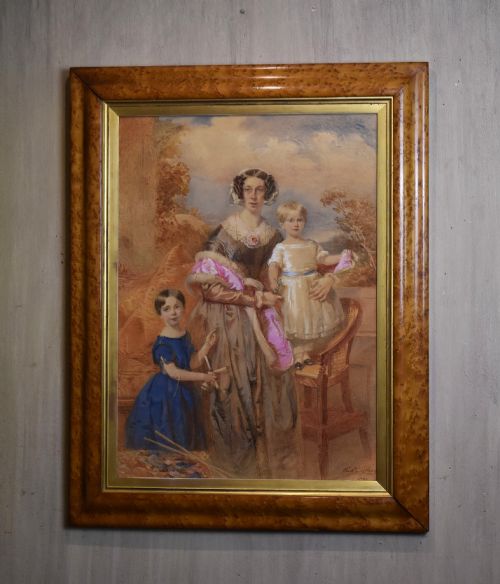


Victorian Family Portrait Art
Victorian family portrait art captures domestic life and lineage through oils, watercolours, and silhouettes framed in wood and gilt.
Victorian Family Portrait Art
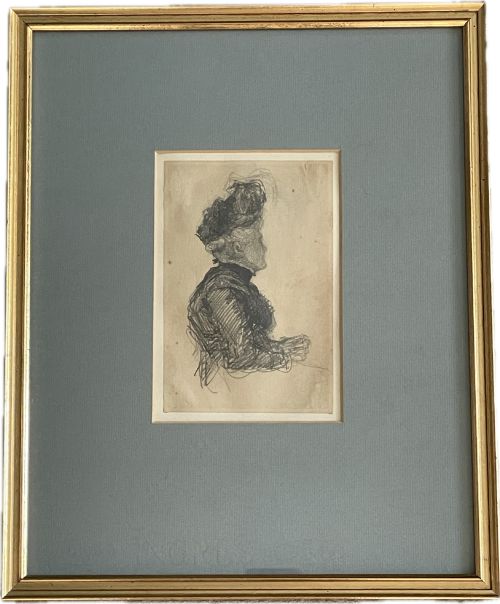
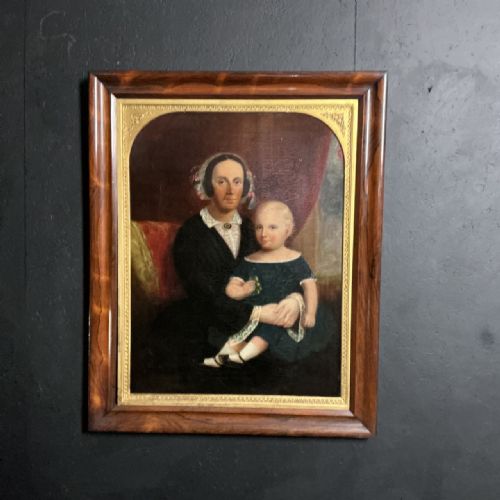
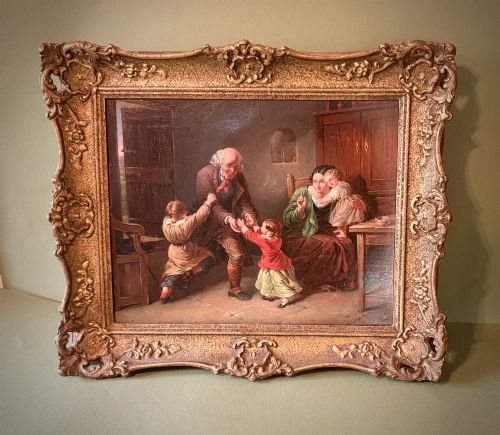
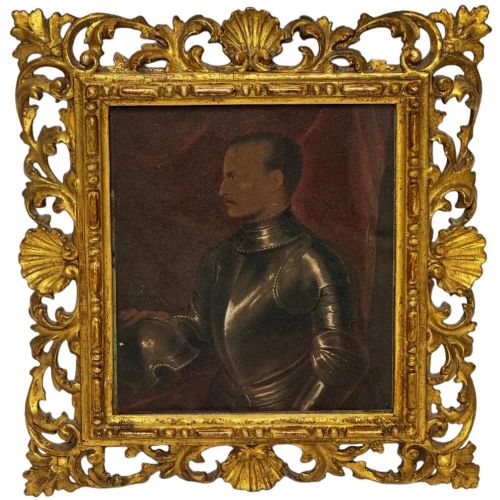
Victorian family portrait art comprises domestic scenes, child studies, and group likenesses produced across the nineteenth century. Buyers encounter oil paintings, watercolours, and silhouettes depicting relatives in interiors and gardens.
The selection ranges from naive watercolours and silhouette conversation pieces to formal oil paintings on panel and canvas. Works frequently capture specific children, mothers, and family groups with annotated histories.
Continental and British schools are represented alongside folk art interpretations. Many pieces arrive in period frames constructed from wood and gilt.
Materials and technique
Artists painted using oil on canvas or panel, watercolour on paper, and pastel, occasionally combining media or ink. Pigments were applied by hand to capture domestic likenesses.
Framing utilised wood, giltwood, and glass to protect the fragile paper and canvas surfaces. Miniature watercolours and silhouettes required precise paper cutting and delicate brushwork.
Annotations and signatures often appear on the reverse of the frames or paper. Mixed media applications bring together ink, watercolour, and paper elements.
Victorian Family Portrait Art Retail Price Guide 2026
Typical asking prices for victorian family portrait art among the pieces listed under this phrase on Sellingantiques today, from the lower quarter to the upper quarter. They describe what is for sale here now, not the wider market.
One naive interior watercolour includes a watchful goldfish and dog sharing the family room.
Standards of execution
Quality rests upon the draughtsmanship of the faces and the fidelity of the domestic interior. Finer works display accomplished handling of expression and textiles.
The preservation of the original paper, panel, or canvas dictates the condition. Intact period giltwood frames contribute to the integrity of the piece.
Frederick Tatham·William Egley·Alfred Darbyshire·Leonardo Morello·John E. Bosanquet·Alexander Melville·Sir William Charles Ross
The Victorian Family Portrait Art Glossary
- Silhouette
- A portrait profile cut from dark paper or painted in solid black. These pieces capture the outline of the subject.
- Watercolour
- A paint consisting of water-soluble pigments applied to paper. This medium was widely utilised for intimate domestic scenes.
- Giltwood
- Wood carved and covered with a thin layer of gold leaf or metal powder. This material forms ornate period frames.
- Conversation piece
- An informal painting depicting a group of figures engaged in conversation or shared domestic activities. These works record family life.
- Oil on panel
- A painting executed on a wooden board rather than canvas. This solid support provides a stable surface for nineteenth-century brushwork.
Victorian Family Portrait Art: Frequently Asked Questions
What is victorian family portrait art?
Victorian family portrait art encompasses painted and drawn likenesses of relatives, children, and domestic scenes created during the nineteenth century.
These works include oil paintings, watercolours, silhouettes, and mixed media pieces preserved in period frames.
How were these portraits displayed?
Families hung these artworks in domestic interiors, parlours, and private chambers to record lineage and affection.
Many remain housed in their original wood and giltwood frames behind protective glass.
How do I identify the period?
Dating relies on costume, hair styling, framing materials, and occasional handwritten annotations on the reverse of the work.
Nineteenth-century works often carry specific dates, signatures, or historical notes regarding the depicted subjects.
What is a silhouette conversation piece?
A silhouette conversation piece depicts multiple family members in a shared domestic setting through cut paper or painted profiles.
These intricate works record the grouping and interactions of relatives during the Victorian era.