


Victorian Family Artwork
Victorian family artwork captures domestic ties and royal lineage through oil, watercolour, and silhouette from the nineteenth century.
Victorian Family Artwork
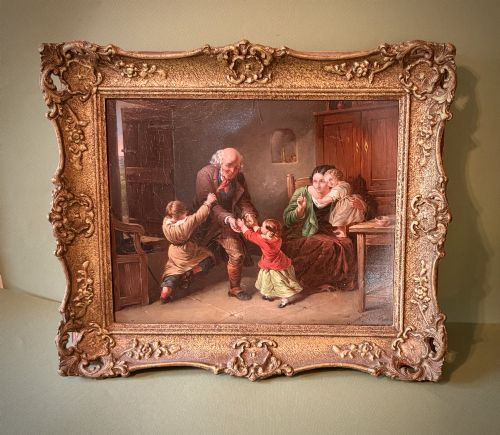
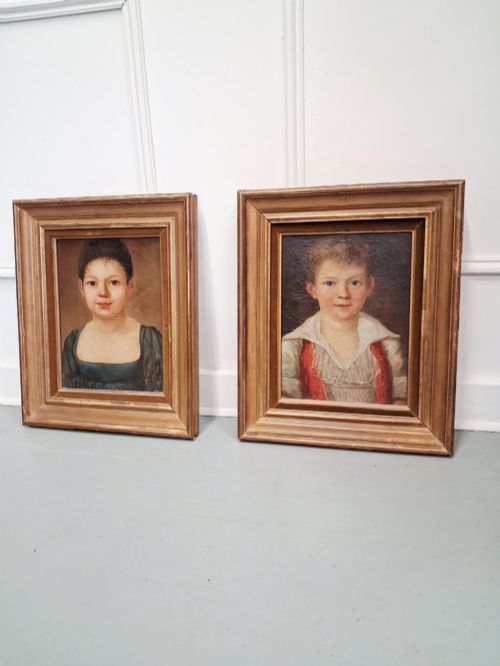
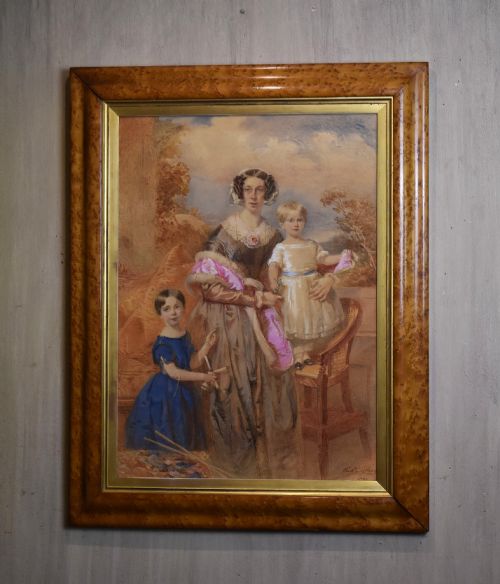
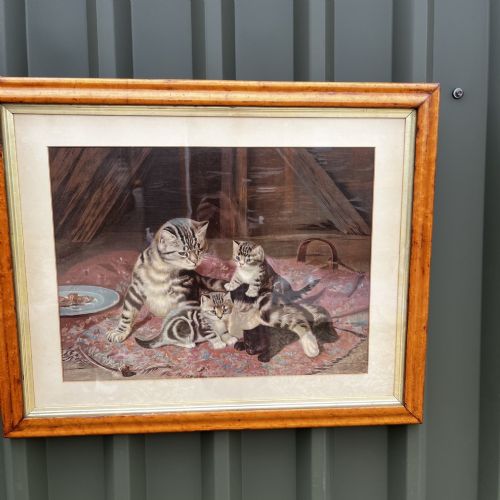
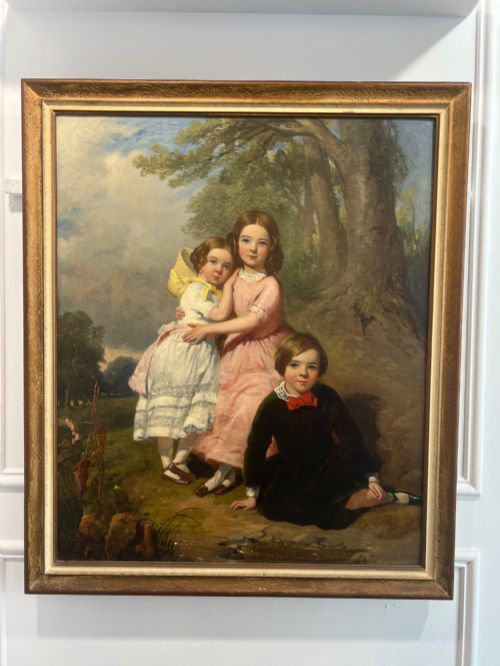
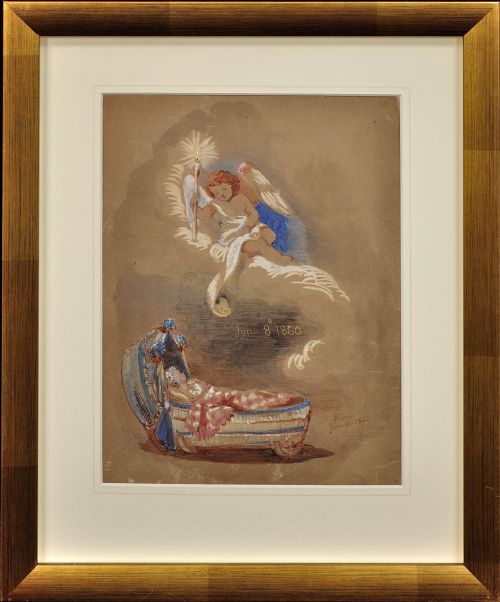
Victorian family artwork covers paintings, watercolours, silhouettes, and prints depicting domestic scenes, children, and lineage. These pieces range from intimate watercolours of children to large oil paintings of family groups and royal portraits.
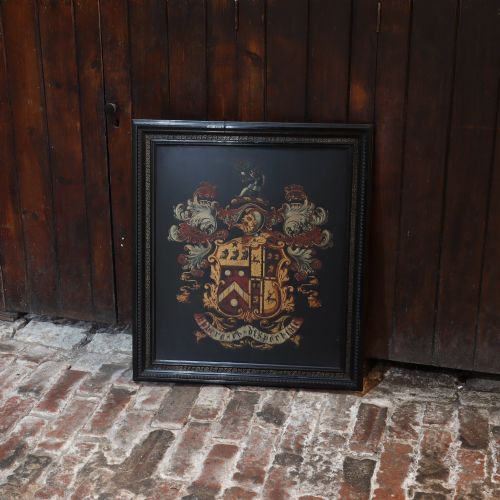
The selection includes genre scenes of mothers and children, heraldic panels, and silhouette conversation pieces housed in wooden and gilded frames. Creators span named British and European artists alongside skilled anonymous hands working in oil, pastel, and mixed media.
Materials and construction
Artists painted on canvas, wood panels, paper, and card using oil, watercolour, and pastel. Works frequently incorporate giltwood frames, rosewood, and glass protection.
Printmakers utilised chromolithography and lithography for multiple impressions, while silhouette artists cut and mounted profile likenesses on card.
Portraits of children and domestic interior scenes form a significant portion of the available artistic record.
Judging quality in domestic depictions
Quality rests upon draughtsmanship, facial expression, and the handling of fabric and interior light. Stronger works convey character and psychological depth rather than stiff likenesses.
Materials and framing contribute to overall standard, noting period gilding, original glass, and sturdy panel or canvas supports.
Frederick Tatham·Horatio Henry Couldrey·Princess Alice Maud Mary·George Smith·William Egley·Alfred Darbyshire·Leonardo Morello·Franz Xaver Winterhalter·John E. Bosanquet·John F. Pasmore·George Marks·Alexander Melville·Sir William Charles Ross
The Victorian Family Artwork Glossary
- Chromolithography
- A colour lithographic printing technique used to produce multi-coloured pictorial prints. This method builds up distinct ink layers for each shade.
- Genre painting
- The pictorial representation of scenes from everyday life, typically depicting domestic interiors or family moments. These works focus on narrative rather than formal portraiture.
- Silhouette
- A portrait represented as a solid shape of a single colour, usually black, outlined and cut from paper or painted. They often show subjects in strict profile.
- Panel painting
- A painting executed on a flat panel of wood rather than canvas. Wooden supports require careful seasoning to prevent warping over decades.
- Watercolour
- A painting method in which the paints are made of pigments suspended in a water-based solution. Paper serves as the primary support for these transparent washes.
Victorian Family Artwork: Frequently Asked Questions
What subjects appear in these works?
These pieces portray domestic scenes, children, mothers with offspring, and royal family members. Artists recorded both ordinary households and notable lineages through portraiture and narrative grouping.
Subjects also extend to domestic animals, cottage doors, and heraldic panels denoting family coats of arms.
How were silhouettes created?
Silhouettes were produced by cutting profile portraits from dark paper or painting them onto card or plaster. Artists captured likenesses swiftly, often during fairs or in portrait studios.
Many examples survive within conversation pieces or framed decorative arrangements from the nineteenth century.
Where should these be hung?
Works on paper and watercolour require placement away from direct sunlight to prevent fading of pigments. Living rooms and hallways suit these domestic themes, matching the domestic origins of the pieces.
Heavier oil paintings on canvas or panel need stable wall fixings and protection from excessive humidity.
How do I spot a reproduction?
Examine the surface under magnification to check for modern dot matrices characteristic of modern inkjet printing rather than nineteenth-century lithography or brushwork. Paper stock, canvas ageing, and framing methods provide further clues to period authenticity.
Old wood panels and hand-mixed pigments show natural wear and craquelure absent in modern copies.