

Victorian Entryway Seat
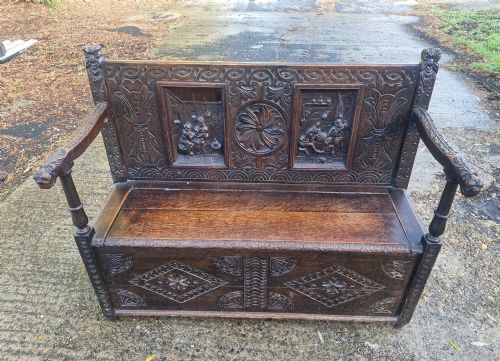
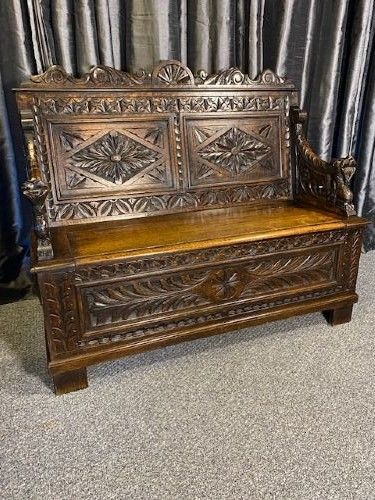
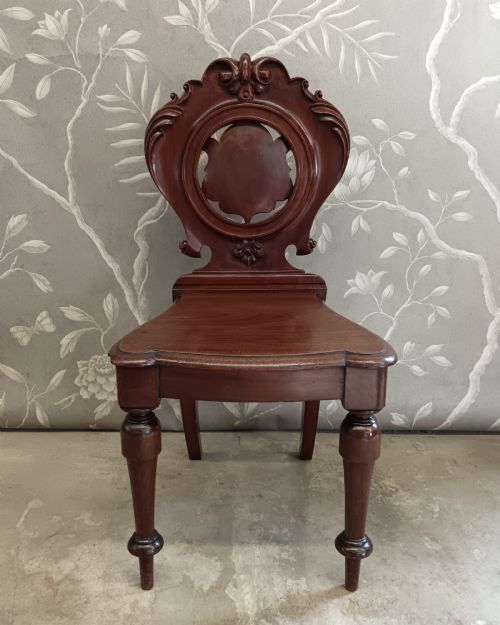
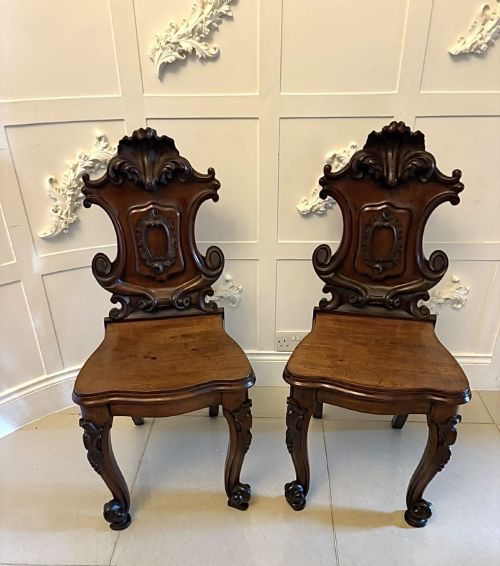
A victorian entryway seat greets visitors with solid timber and carved detail, providing a practical spot to pause in the hall.
Victorian Entryway Seat
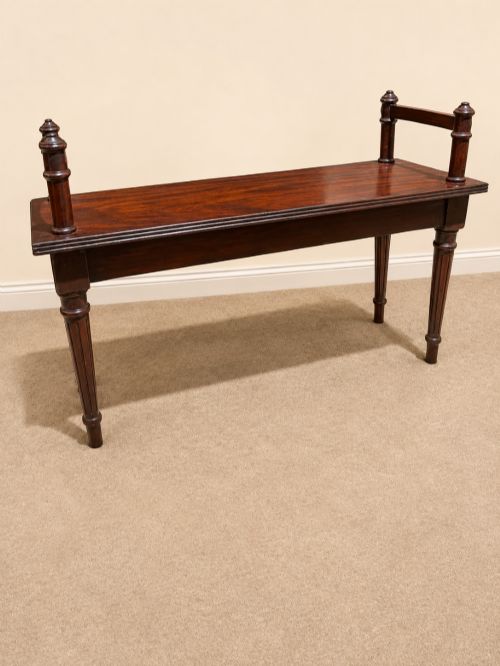
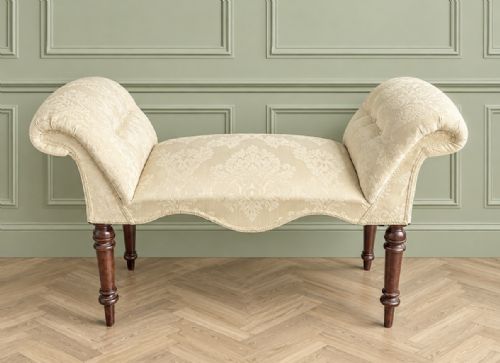
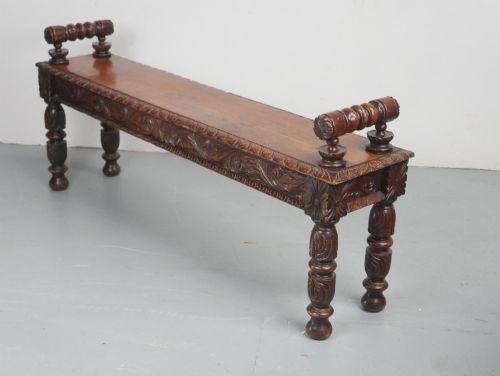
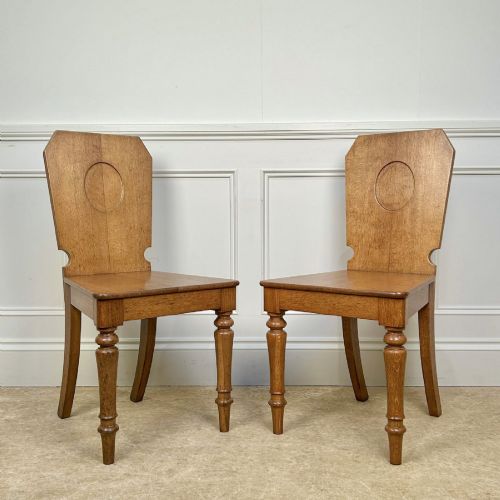
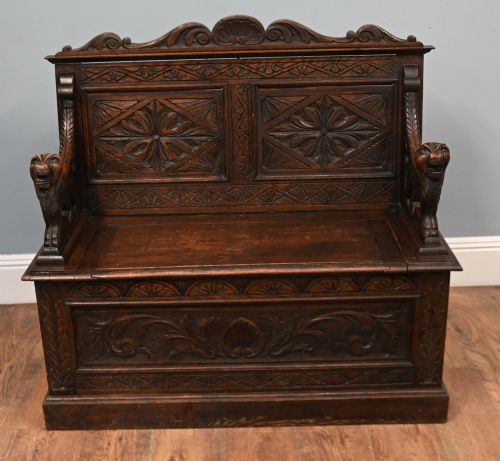
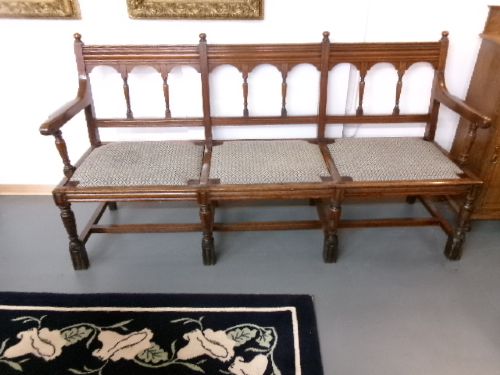
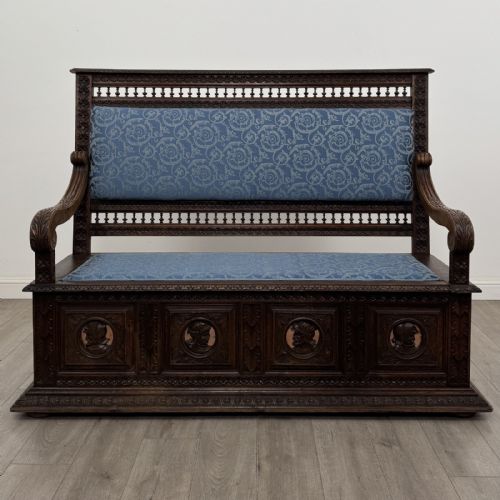
A victorian entryway seat encompasses a variety of forms designed for the hallway, ranging from single hall chairs to long settles, benches, and combined hall stands with stick holders. These pieces served to furnish the entrance of a home where guests were received, combining utility with stylistic display.
Origins stretch across the nineteenth century into the Edwardian period, drawing on revival styles like Gothic, Jacobean, and Renaissance. Makers utilised dense hardwoods to withstand heavy daily use in busy entranceways.
Materials and construction
Construction relies heavily on durable timbers such as oak, mahogany, walnut, and pine, selected for their strength and grain. Cabinetmakers shaped these woods using traditional joinery methods, often incorporating panelled backs and sturdy box compartments.
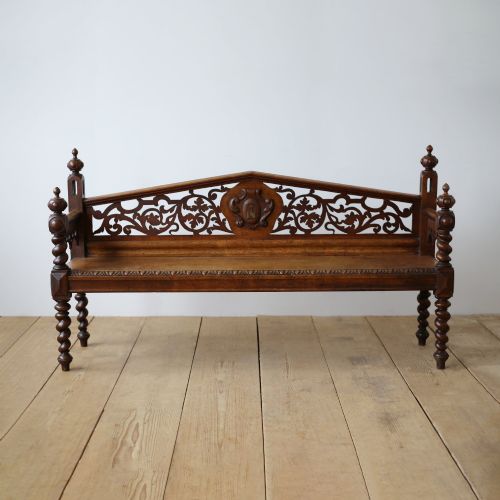
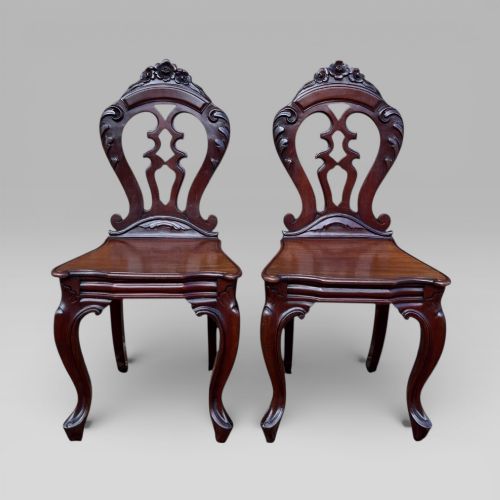
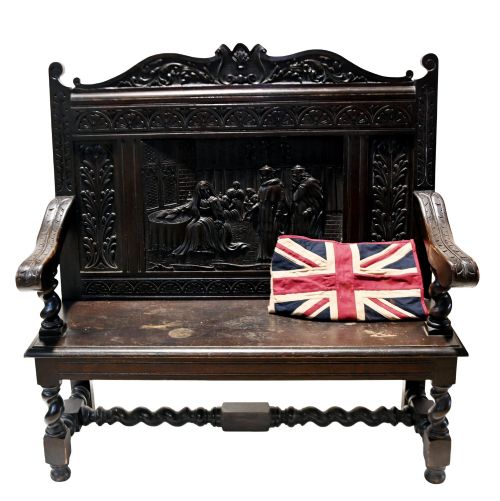
Carving is a defining decorative technique across the pieces, featuring heraldic shields, floral motifs, and revivalist scrollwork executed by hand. Brass mounts and barley twist supports occasionally accent the primary wooden structures to add contrast and structural reinforcement.
Victorian Entryway Seat Retail Price Guide 2026
Typical asking prices for victorian entryway seat among the pieces listed under this phrase on Sellingantiques today, from the lower quarter to the upper quarter. They describe what is for sale here now, not the wider market.
One unexpected hybrid combines a seat with a stick stand and a mirror for final hair checks.
What separates the standard
The distinction between ordinary and exceptional pieces lies in the depth and crispness of the timber carving, along with the selection of figured wood grains like Cuban mahogany or quarter-sawn oak. Higher quality examples exhibit robust joinery that remains tight without excessive modern intervention.
Proportion and the integrity of the original surface finish also dictate the tier of a piece. Retaining an early waxed or polished patina without stripping or over-restoration preserves the historical character expected by serious collectors.
GIllows·James Shoolbred & Co.
The Victorian Entryway Seat Glossary
- Settle
- A wooden bench with a high back, solid arms, and often a hinged seat revealing a box storage compartment beneath.
- Hall Chair
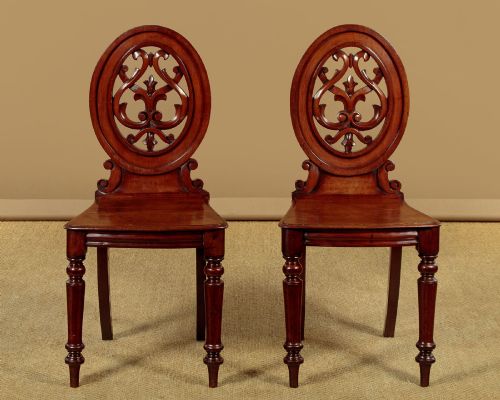
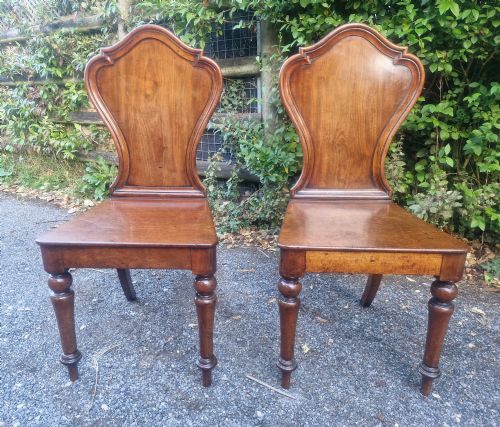
- A tall, upright wooden seat intended for an entrance hall, typically featuring a solid carved back without upholstered padding.
- Box Settle
- A form of seating incorporating a deep enclosed chest under the seat boards, designed to hold household goods or garments.
- Revival
- A design movement that emulates historical architectural and decorative styles from earlier centuries, such as Gothic or Renaissance.
- Shield Back
- A chair back shaped in the outline of a heraldic shield, frequently embellished with carved crests or family emblems.
Victorian Entryway Seat: Frequently Asked Questions
What is a hall bench?
A hall bench is a sturdy wooden seat designed specifically for placement in a home entrance or hallway.
These pieces often include storage compartments or coat hooks integrated into the back panel.
How were settle benches used?
Settles provided seating near the entrance while blocking cold drafts from sweeping across the floorboards.
The enclosed lower box kept boots, umbrellas, and outerwear neatly tucked away.
Are hall chairs comfortable?
Historic hall chairs were built primarily for posture and display rather than lounging during long periods.
Their upright wooden seats and carved backs encouraged brief usage while waiting in the hallway.
How do I identify a revival style?
Revival pieces borrow motifs from medieval, Tudor, or classical eras, such as linenfold panelling or heavy strapwork.
Carpenters applied these older decorative vocabularies onto nineteenth-century furniture forms.