




Victorian Entrance Furniture
Victorian entrance furniture sets the tone for the house, offering solid mahogany, oak, and walnut built to greet callers with weight and order.
Victorian Entrance Furniture
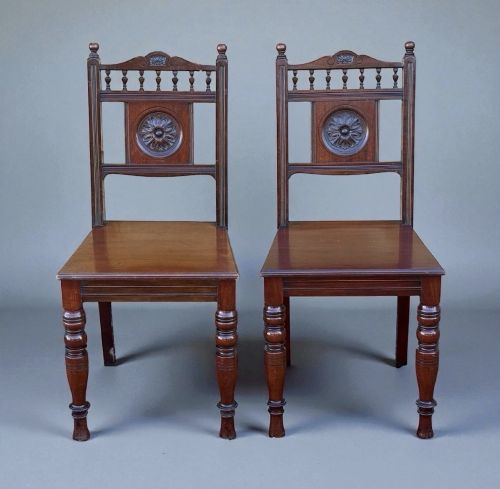
Victorian entrance furniture gathers pieces designed for the hallway and vestibule, from substantial hall stands and console tables to pairs of carved hall chairs. You will frequently meet oak and mahogany hall stands alongside tall hall chairs intended to furnish an entranceway with utility and presence.
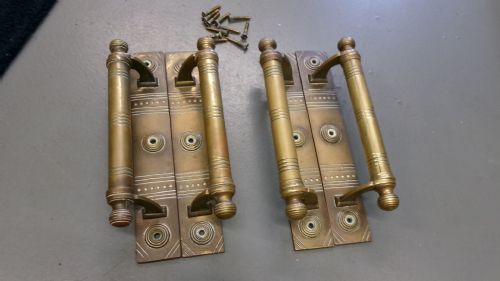
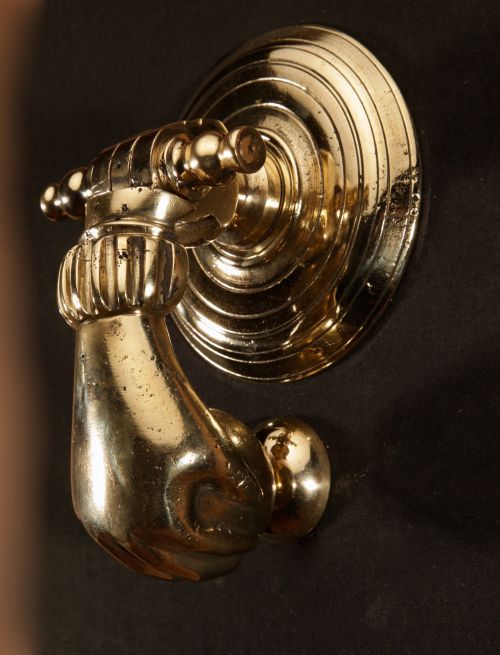
The selection includes architectural elements and hardware such as brass door knockers, handles, and entrance screens with doors. These domestic items formed the practical core of a nineteenth-century hallway, handling coats, hats, and boots while presenting a formal boundary to visitors.
Materials and construction
Cabinet makers utilised dense timbers such as mahogany, oak, and walnut, frequently shaping them through deep carving and turning. Ebonised wood and giltwood also appear, alongside structural marble shelves and ceramic tile inserts.
Metalwork involved solid brass and bronze, cast into robust knockers, handles, and plates designed for heavy daily use. Folding mechanisms in items like walnut boot jacks show precise joinery suited to domestic utility.
Victorian Entrance Furniture Retail Price Guide 2026
Typical asking prices for victorian entrance furniture among the pieces listed under this phrase on Sellingantiques today, from the lower quarter to the upper quarter. They describe what is for sale here now, not the wider market.
Listings feature items spanning the Victorian era, the Aesthetic Movement, and Arts and Crafts styles, constructed in oak, walnut, and mahogany.
Judging quality
Hardware displays quality through the crispness of the bronze or brass casting and the weight of the metal. Original matches between console tables and giltwood mirrors, or complete suites of hall stands and chairs, demonstrate superior original design.
The Victorian Entrance Furniture Glossary
- Hall Stand
- A tall piece of hallway furniture combining hooks for coats, a mirror, and a surface or well for umbrellas and sticks. They often include a marble shelf.
- Console Table
- A table fixed against a wall, frequently topped with marble and paired with a matching wall mirror. These served as decorative sideboards in grand entrances.
- Hall Chair
- A tall, upright wooden seat designed for an entrance hall, usually featuring a solid wooden back carved with crests or floral motifs. They were built for brief waiting rather than long sitting.
- Boot Jack
- A small wooden or metal device with a V-shaped notch used for pulling off boots without bending down. Folding examples offered convenient storage in tight spaces.
- Ebonised Wood
- Timber treated with a dark stain or finish to imitate ebony. This technique gained popularity during the Aesthetic Movement to create stark contrasts.
Victorian Entrance Furniture: Frequently Asked Questions
What pieces belong in a Victorian hallway?
Victorian hallways typically accommodated tall hall stands for coats and umbrellas, paired hall chairs for waiting visitors, and console tables with mirrors. Smaller functional items like brass door knockers and folding boot jacks completed the space.
These items were chosen to handle the daily traffic of arrivals while maintaining a disciplined, welcoming appearance for guests before they entered the main rooms of the house.
How do I date a hall stand?
Dating relies on timber choice, decorative motifs, and integrated materials like ceramic tiles or marble. Earlier mid-nineteenth-century pieces often feature heavy mahogany or Gothic revival oak carving.
Later nineteenth-century examples incorporate Arts and Crafts or Aesthetic Movement influences, sometimes utilising lighter oak or ebonised wood alongside specialised ceramic panels.
Were hall chairs meant to be comfortable?
Hall chairs were deliberately built without upholstery, featuring solid wooden seats and high, upright backs. They were designed for temporary seating rather than relaxation.
The lack of fabric upholstery prevented the absorption of dust and moisture from damp outer garments and muddy boots brought in through the front door.
What is an entrance screen?
An entrance screen is an architectural partition, often featuring glazed panels and fitted doors, used to create a vestibule inside the front door. It kept drafts out of the main hallway.
Such screens partitioned the transition space between the outside weather and the interior living areas, matching the wood and style of the surrounding hall furniture.