

Victorian Engraved Plates
Victorian engraved plates bring domestic ceremony to the table through patterned silver plate and mixed metal work.
Victorian Engraved Plates
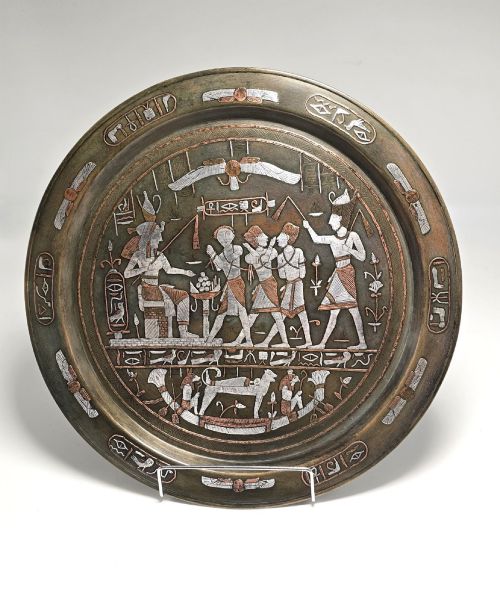
When searching for victorian engraved plates, a buyer encounters a diverse group of nineteenth-century domestic metalwork designed for serving food, drink, and hospitality. These items span periods from the mid-nineteenth century through the Edwardian era, incorporating styles such as Aesthetic Movement, Egyptian Revival, and Victorian Neoclassical.
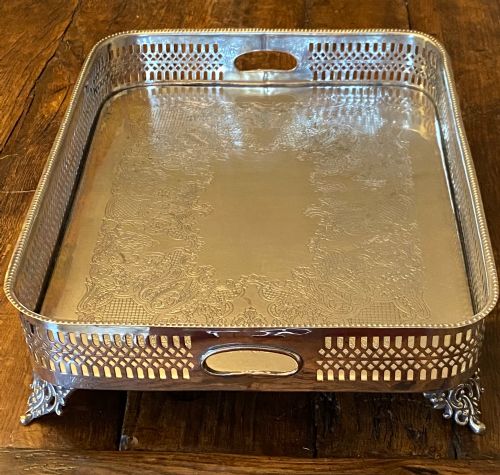
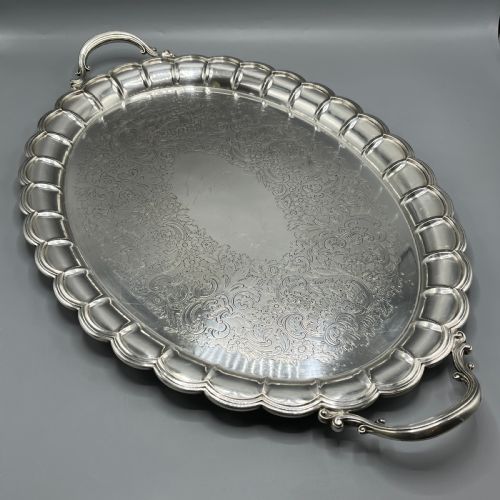
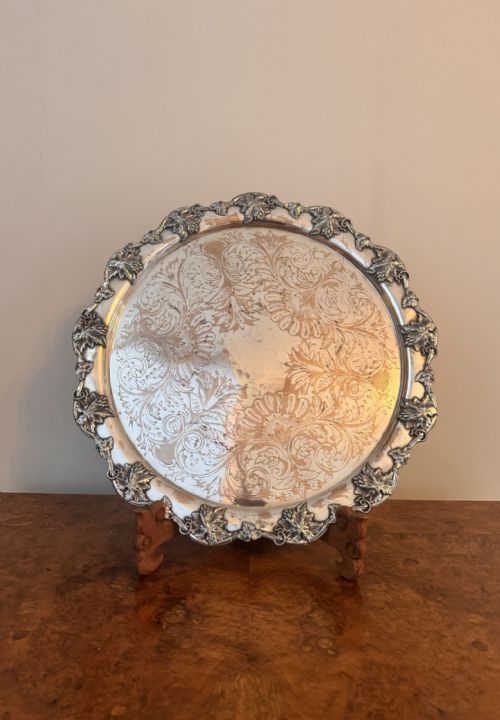
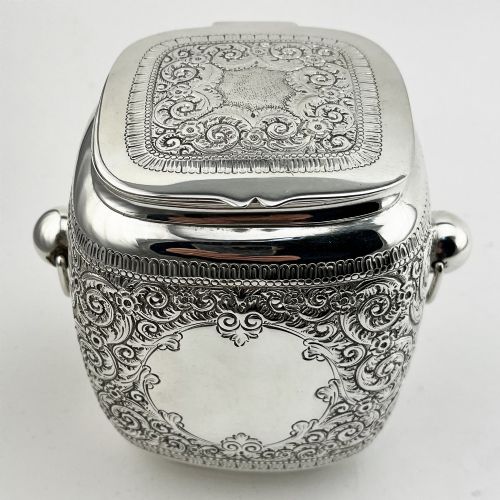
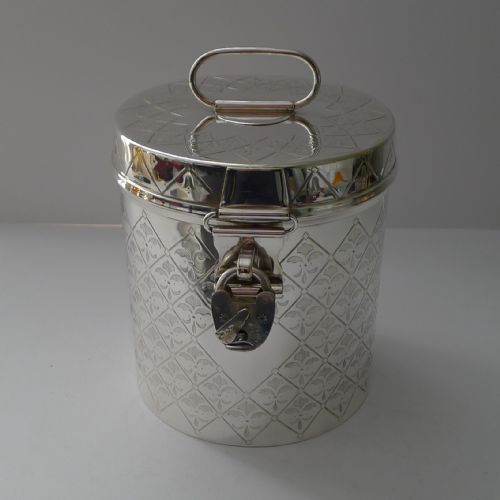
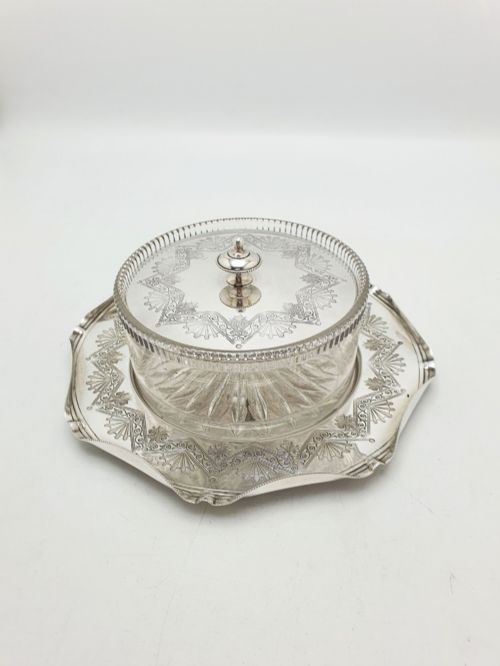
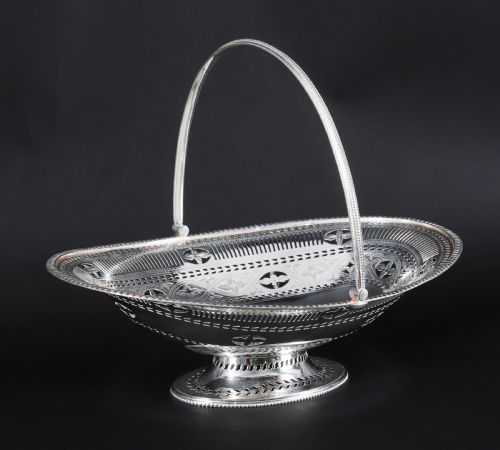
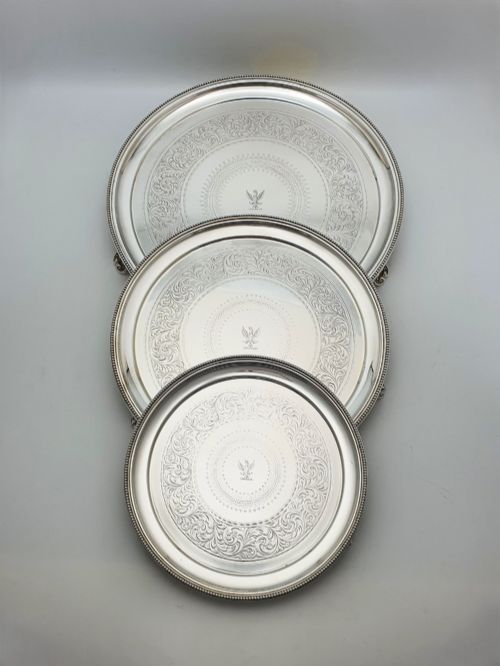
The objects take many forms on this page, appearing primarily as serving trays, salvers, fruit baskets, and presentation platters rather than flat dinner plates. Alongside these large trays, the selection includes smaller functional pieces such as butter dishes, biscuit boxes, and tea caddies bearing surface decoration.
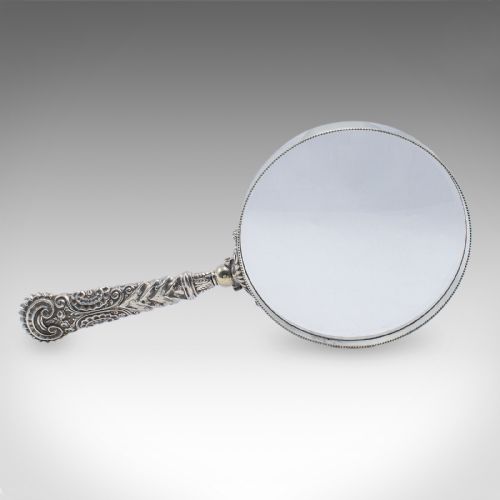
Origins stretch across English workshops and silversmiths, with pieces reflecting the heavy industrial plating techniques of the period. The assortment captures both formal dining room accessories and library or desk items fabricated in matching metal.
How They Were Made
Makers utilised silver plate, electroplated nickel silver, and base metals as foundations for these items, applying durable metallic coatings over stronger structural alloys. Workshops such as Elkington and Walker & Hall employed advanced plating methods alongside traditional hand-finishing.
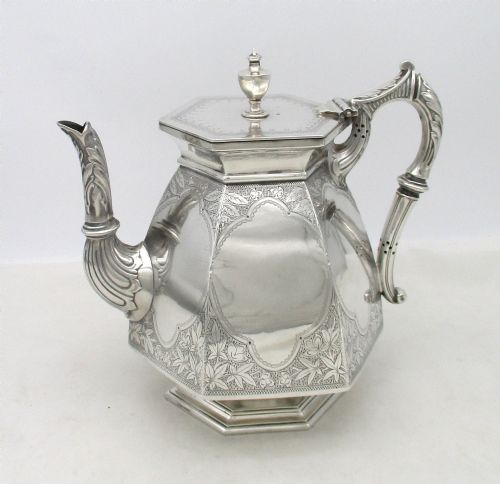
Surface ornamentation relied on manual engraving, embossing, and chasing to cut decorative foliage, geometric borders, and crests into the metal. Cut glass liners and mixed metal elements frequently accompanied the plated frames to create functional contrast.
Victorian Engraved Plates Retail Price Guide 2026
Typical asking prices for victorian engraved plates among the pieces listed under this phrase on Sellingantiques today, from the lower quarter to the upper quarter. They describe what is for sale here now, not the wider market.
What Varies in Quality
Depth and clarity of the hand-engraved patterns separate standard production items from superior examples. Crisp lines and intricate floral or neoclassical motifs indicate skilled artisan work rather than routine mechanical pressing.
Substance and balance define the better pieces, where thick silver deposits over the base metal resist wear and heavy mounts ensure structural integrity during service. Maker marks from established firms further denote higher standards of fabrication.
Martin Hall & Co·Mappin and Webb·Thomas Bradbury & Sons·Elkington·G R Collis·Elkington Mason & Co·Walker & Hall·John Harrison·Padley Parkin & Staniforth·Mabie Todd & Co
The Victorian Engraved Plates Glossary
- Silver Plate
- A thin layer of silver bonded to a base metal such as copper or nickel alloy. This technique allowed nineteenth-century manufacturers to produce durable tableware at a lower cost than solid silver.
- EPNS
- Electroplated Nickel Silver. A common base material for Victorian and Edwardian hollowware created through an electrical plating process.
- Salver
- A flat metal tray used for serving food or drinks, or for presenting calling cards. Victorian examples often featured elaborate engraved borders and footed bases.
- Aesthetic Movement
- A late nineteenth-century design style emphasising visual beauty over narrative meaning. It drew inspiration from Japanese art and natural forms.
- Chasing
- A metalsmithing technique used to decorate metal from the front by hammering tools into the surface to push the metal inward without removing it.
Victorian Engraved Plates: Frequently Asked Questions
What are victorian engraved plates used for?
These items served functional roles in nineteenth-century households for presenting food, afternoon tea, and drinks to guests. Large trays and salvers carried tea services or wine coolers, while smaller platters held butter or biscuits.
Today, collectors utilise them as decorative serving pieces or display items for traditional dining and reception rooms.
How do I clean silver plated trays?
Maintenance requires gentle washing with warm water and mild soap, followed by drying with a soft cloth to protect the metal surface. Harsh abrasives must be avoided because they wear away the thin silver layer.
Specialist silver polish should be used sparingly and only when necessary to remove tarnish without damaging the underlying engraving.
Are these pieces made of solid silver?
Most items on this page consist of silver plate, electroplated nickel silver, or base metal rather than solid silver. Manufacturers applied a thin coating of silver over stronger structural metals to achieve the appearance of solid silver economically.
Maker marks and stamps on the underside typically indicate the specific plating method and the workshop responsible for production.
How can I tell the period of a tray?
Dating relies on stylistic clues such as Aesthetic Movement motifs, Neo-Classical borders, or Edwardian proportions, alongside engraved dates and presentation inscriptions. Maker marks stamped into the metal provide a reliable guide to the active years of the firm.
Associated materials like cut glass liners or mixed metal mounts also help narrow the decade of manufacture.