

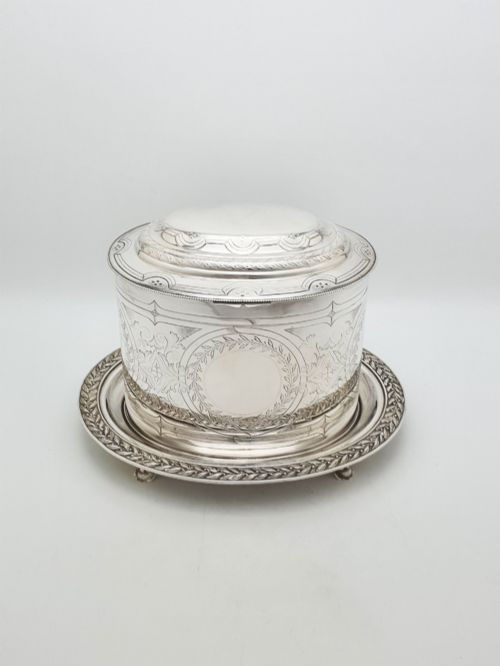
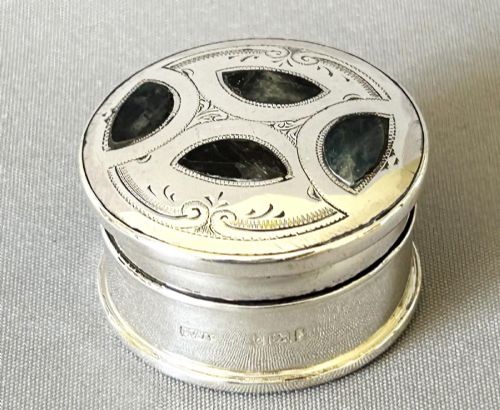
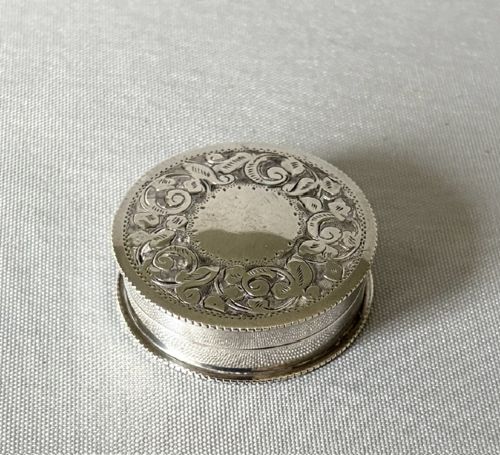
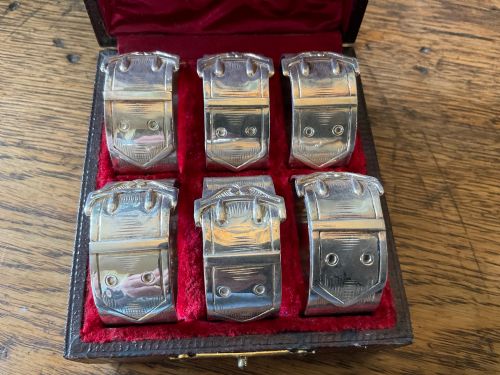
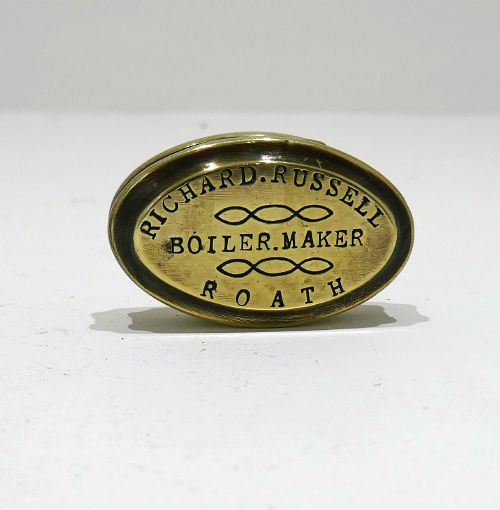


Victorian Engraved Metal Box
A victorian engraved metal box brings surface pattern and miniature scale to the desk, pocket, or table.
Victorian Engraved Metal Box
A victorian engraved metal box encompasses small domestic receptacles produced during the nineteenth century, including pillboxes, snuff boxes, and trinket cases. These items served personal and social functions, holding tobacco, medicinal doses, or personal keepsakes.
The selection here draws primarily upon brass and silver metals, alongside silver plate and gold examples. Forms range from compact pocket containers to larger desk accessories bearing period inscriptions.
Makers fashioned these containers across British, French, and Indonesian traditions, reflecting diverse regional engraving methods. Domestic pieces sit alongside legal collectibles and specialised dressing items.
Materials and construction
Metalworkers utilised brass, sterling silver, 950 silver gilt, and gold as primary substrates for these vessels. Artisans frequently combined metals with organic or mineral inserts such as Scottish agate, velvet, and wood linings.
Surface ornamentation relied on manual engraving techniques to incise lettering, names, and decorative motifs directly into the metal. Smiths shaped the bodies through casting and sheet metal fabrication before applying gilt layers or polished finishes.
Victorian Engraved Metal Box Retail Price Guide 2026
Typical asking prices for victorian engraved metal box among the pieces listed under this phrase on Sellingantiques today, from the lower quarter to the upper quarter. They describe what is for sale here now, not the wider market.
Assessing quality
Quality rests upon the clarity and depth of the manual engraving, distinguishing precise hand-cut lines from mechanical impressions. The crispness of inscribed names, dates, or decorative borders defines the maker's skill.
Material composition and structural integrity separate standard utility pieces from exceptional goldsmithing work. The quality of internal hinges, secure closures, and the integration of stones like agate indicate superior workshop production.
The David McDonald
The Victorian Engraved Metal Box Glossary
- Vinaigrette
- A small ornamental box featuring a perforated internal grille, designed to hold a sponge soaked in aromatic vinegar. These containers were carried to combat unpleasant odours in public spaces.
- Snuff box
- A small hinged receptacle specifically manufactured to contain dry powdered tobacco. Users opened these containers to dispense single pinches during social gatherings.
- Silver gilt
- Silver objects coated with a thin layer of gold applied through chemical or electrochemical processes. This technique provided the rich appearance of solid gold while utilising silver as the base metal.
- Agate
- A crystalline rock variety composed chiefly of chalcedon and quartz, frequently cut and polished for inset panels. Cabinetmakers and metalworkers set these stones into container lids for decorative contrast.
Victorian Engraved Metal Box: Frequently Asked Questions
What were small metal boxes used for?
These vessels held personal commodities such as snuff, medicinal pills, or fragrant vinegars for daily use. Their portable scale allowed owners to carry them easily in pockets or bags.
Larger variants remained on tables and desks to store small valuables, legal tokens, or smoking accessories. Each form corresponded to specific social customs of the period.
How do I care for antique metal boxes?
Keep these pieces in stable indoor environments away from direct moisture and extreme temperature shifts to protect metal surfaces and internal linings. Dust them gently with a soft, dry cloth without applying harsh cleaning compounds.
Avoid abrasive polishes that wear away thin silver gilt layers or soften hand-engraved details. Agate and velvet inserts require particular care to prevent staining or loosening from their settings.
How are Victorian pieces dated?
Dating relies on accompanying hallmarks, inscribed dates, maker marks, and stylistic indicators present on the object. British items often feature standard assay office stamps and date letters.
Where explicit dates are absent, stylistic motifs and manufacturing techniques help place the item within the nineteenth century. Comparative examination of similar documented pieces narrows the period of production.
Are these boxes suitable for daily use?
While structurally sound, antique metal boxes function best as display items or gentle repositories for lightweight modern objects. Frequent handling can accelerate wear on fragile hinges and delicate surface engravings.
Owners should operate clasps with care and avoid placing heavy items inside delicate pillboxes or vinaigrettes. Preserving the original patina ensures the longevity of the metal.