
Victorian Edwardian Pendant
A victorian edwardian pendant combines fine metalwork with delicate stones to sit at the collarbone as a wearable piece of history.
Victorian Edwardian Pendant
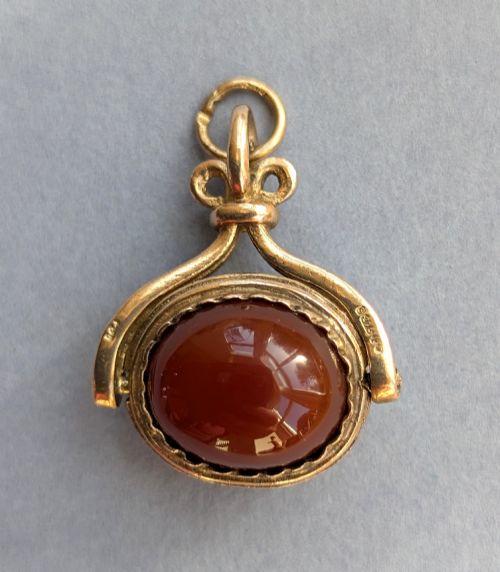
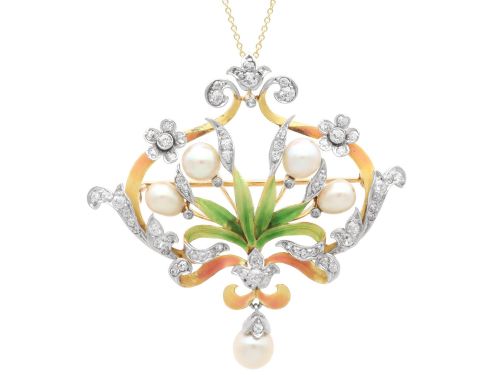
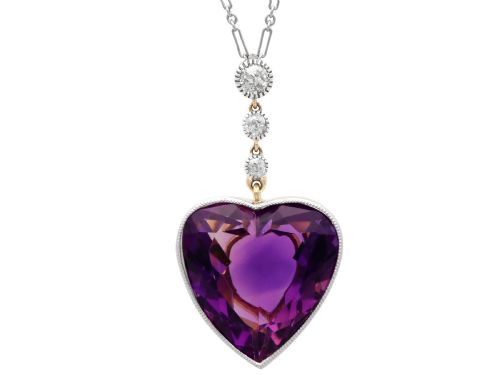
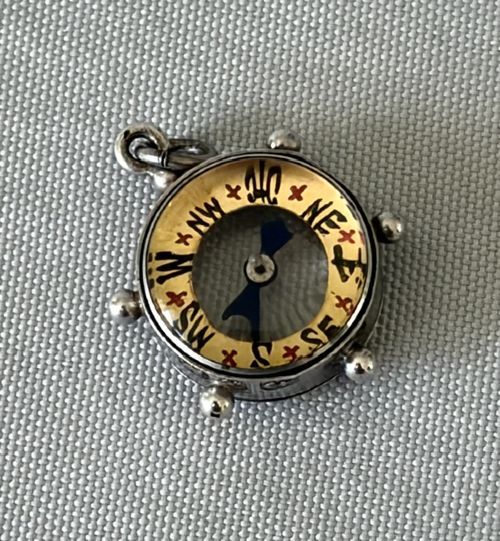
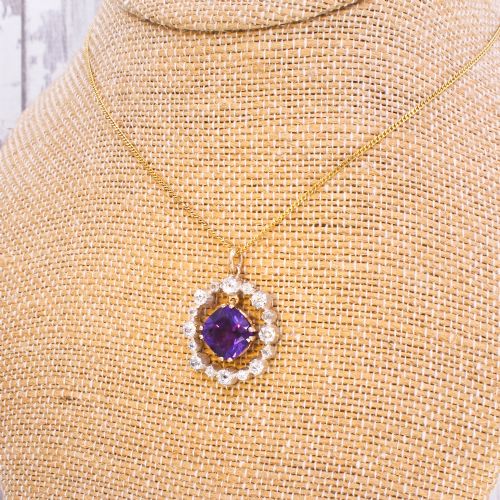
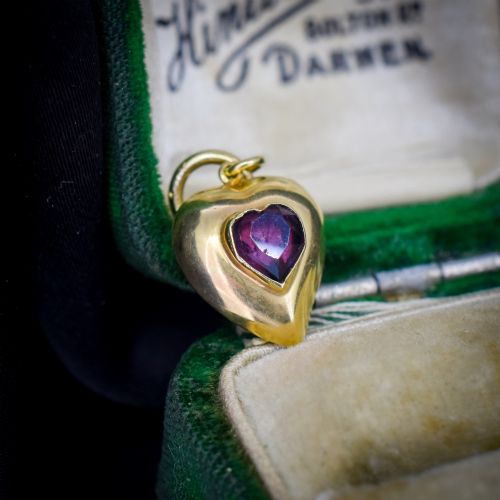
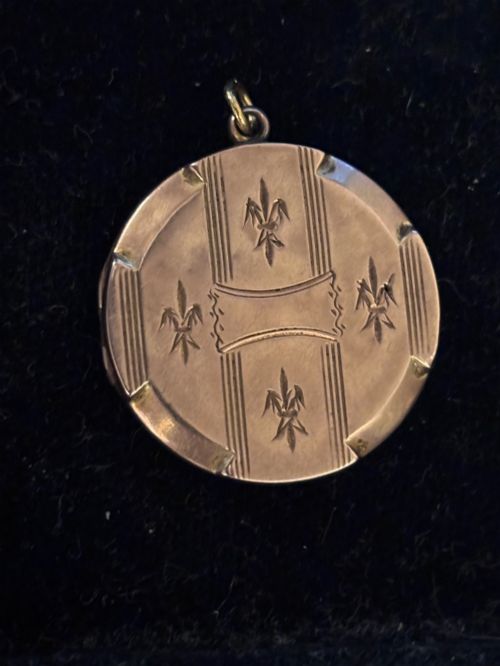
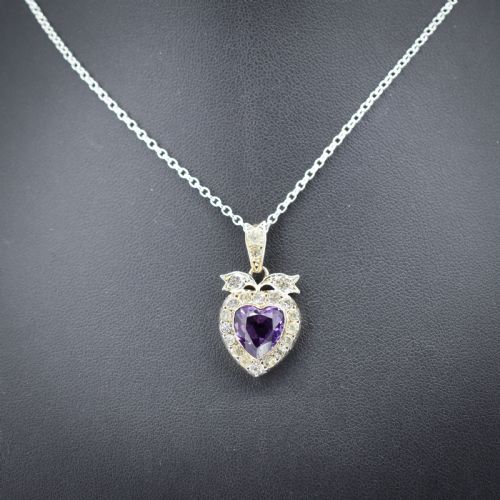
A victorian edwardian pendant represents an era of intricate craftsmanship, spanning from the late nineteenth century into the early decades of the twentieth. These pieces take various forms, including floral brooches that double as pendants, heart shapes, and distinctive negligee necklaces suspended on delicate chains.
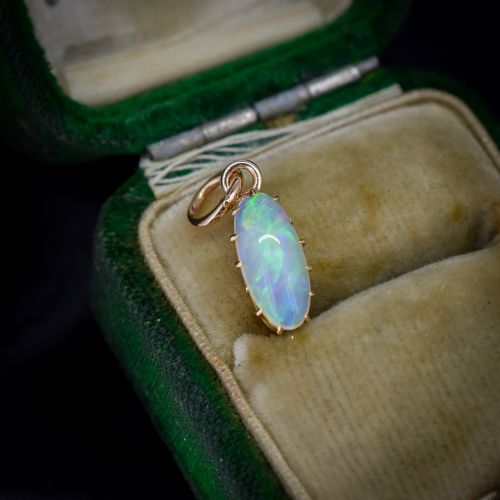
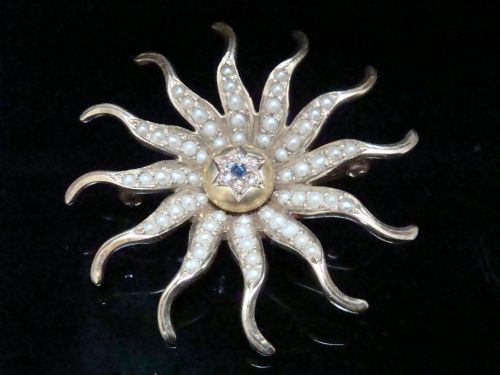
The selection frequently encounters gold in nine, fifteen, and eighteen carat purities, alongside sterling silver and brass settings. Gemstones such as amethyst, opal, turquoise, and diamond dominate the designs, often paired with seed pearls in clusters or star motifs.
Makers from the Victorian, Edwardian, and Arts and Crafts periods created these ornaments, incorporating stylistic influences from Gothic revivals to nature-inspired insect and floral subjects. Buyers meet both standalone neckwear and convertible pieces designed to function as brooches.
Examples stretch across decades into the mid-twentieth century, showing how jewellers adapted classical motifs for changing tastes while retaining traditional stone-setting techniques.
How they were made
Goldsmiths worked primarily with yellow and rose gold alloys, shaping metal through casting, wire-work, and hand-engraving to form delicate frames for stones. Seed pearls were meticulously drilled and threaded onto fine silk or wire to create clustered flower and leaf patterns.
Gemstones including opals, amethysts, and diamonds were secured using claw settings or closed-back foil settings in earlier pieces, allowing light to reflect through paste and glass substitutes where used. Artisans integrated structural elements like articulated joints into insect and star motifs to give movement to the jewellery.
Spiders, flies, and beetles appear unexpectedly among the diamonds, reminding us that nature enthusiasts ran the nineteenth century.
What varies in quality
The fineness of the metalwork distinguishes standard production from superior workshops, visible in the precision of pierced gallery work and the neatness of claw settings. The choice of central gemstones dictates overall calibre, where natural solid opals and saltwater pearls command attention above glass pastes and simulated stones.
Originality of components also dictates merit, as unaltered clasps, integrated bales, and matching chain links preserve the integrity of the piece against later replacements.
The Victorian Edwardian Pendant Glossary
- Negligee necklace
- A pendant style featuring two drops suspended from a central motif, popular during the Edwardian era.
- Seed pearl
- A very small, naturally or cultured pearl, often un-drilled or half-drilled, used to cover entire surfaces in Victorian jewellery.
- Paste
- Hand-cut lead glass used as a gemstone substitute in antique jewellery to mimic diamonds or coloured stones.
- Collet
- A band of metal that holds a gemstone in place by being pushed over the girdle of the stone.
- Fob
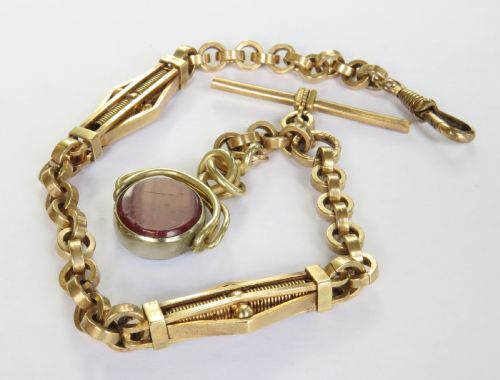
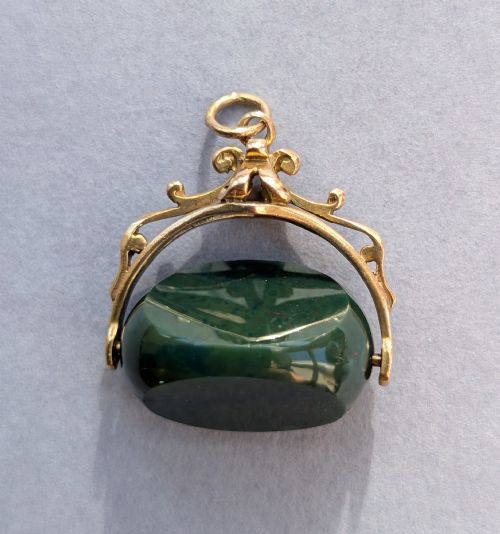
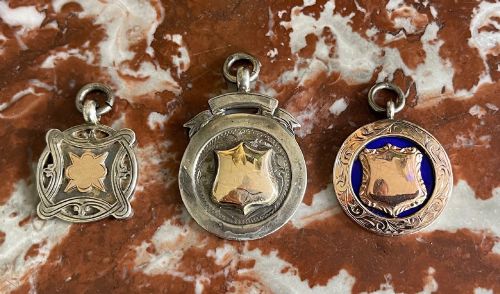
- A short chain or ornament attached to a pocket watch, frequently adapted into pendant wear.
Victorian Edwardian Pendant: Frequently Asked Questions
How do I wear a pendant brooch?
Many Victorian and Edwardian pieces feature a hinged pin alongside a hidden loop, allowing them to alternate between neck chains and garment fastenings. You can thread a fine gold chain through the fixed bale to wear it as a traditional necklace.
Alternatively, secure the pin safely through heavier fabrics like lapels or scarves when using the piece in its brooch configuration.
Are seed pearls fragile?
Seed pearls require careful handling because historic silk threads can weaken over decades of exposure to moisture and cosmetics. Store them away from perfumes and have a specialist restring the pearls if the strands show slackness.
Keep them in a lined box to prevent abrasion against harder gemstones and metals.
How do I tell Victorian from Edwardian?
Victorian pieces often display heavier gold weights, romantic motifs like hearts and hands, and darker stone settings. Edwardian design shifts toward lighter platinum and yellow gold frameworks, featuring openwork lace patterns and brighter diamond clusters.
Nature themes persist across both eras, though Edwardian work generally feels lighter and more airy.