



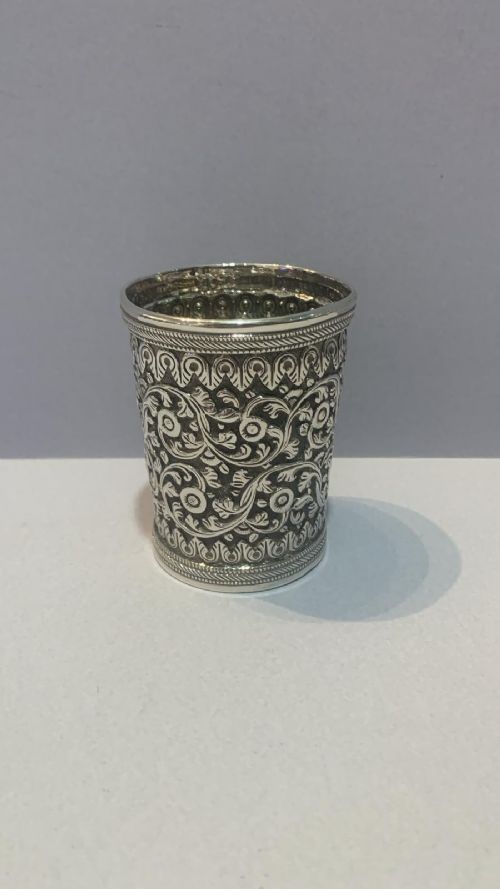


Victorian Drinking Goblets
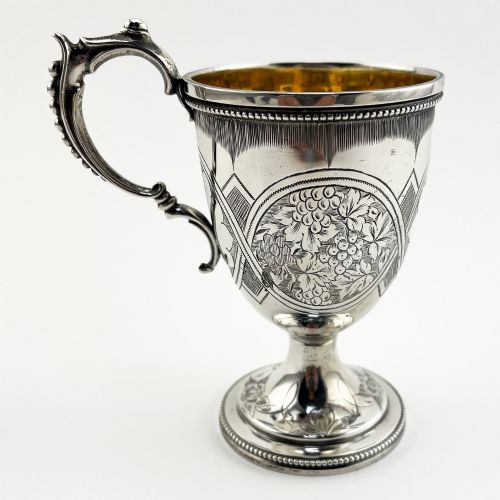
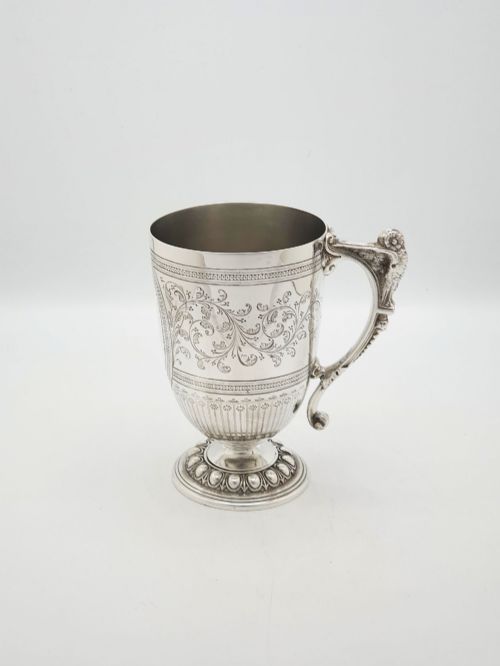
These Victorian drinking goblets bridge formal dining and ceremonial toasts through heavy glass, sterling silver and coloured vessels.
Victorian Drinking Goblets
Victorian drinking goblets encompass a varied selection of vessels designed for wine, ale, and commemorative toasts across the nineteenth century. These objects appear in forms ranging from heavy lead crystal rummers and slender wine glasses to sturdy silver-mounted stoneware and parcel-gilt chalices.
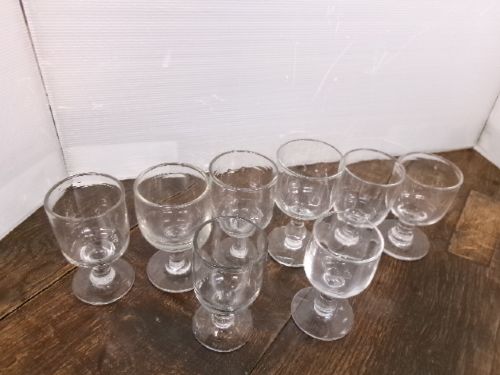
The pieces on this page span styles such as Biedermeier, Renaissance Revival, and Venetian Revival alongside classic English cut glass. Buyers encounter matching sets of wine glasses alongside single celebratory rummers and mounted silver beakers.
Materials and methods
The material palette relies heavily on clear lead glass, crystal, and coloured glass alongside sterling silver and silver-plated metal. Coloured vessels utilise cranberry, green, vaseline, and amber glass formulas often achieved through metallic oxide additions during melting.
Makers shaped these objects through hand-blowing, moulding, and wheel-cutting techniques. Decorative surface work incorporates intaglio engraving, acid-cutting, enamel painting, and parcel-gilding directly onto the glass body.
Victorian Drinking Goblets Retail Price Guide 2026
Typical asking prices for victorian drinking goblets among the pieces listed under this phrase on Sellingantiques today, from the lower quarter to the upper quarter. They describe what is for sale here now, not the wider market.
Materials represented include sterling silver, cranberry glass, vaseline glass, stoneware, and lead crystal.
Judging quality in these vessels
Quality rests in the crispness of wheel-cut facets and the depth of intaglio or engraved motifs. Superior glass shows clarity without internal cloudiness, while metal components display precise chasing and secure mounts.
Weight and balance distinguish higher tier glassware, particularly in rummers with thick baluster stems and substantial bases. Consistency across matched sets indicates disciplined workshop production rather than casual output.
Stevens & Williams·Lobmeyer·Salviati·Doulton Lambeth
The Victorian Drinking Goblets Glossary
- Rummer
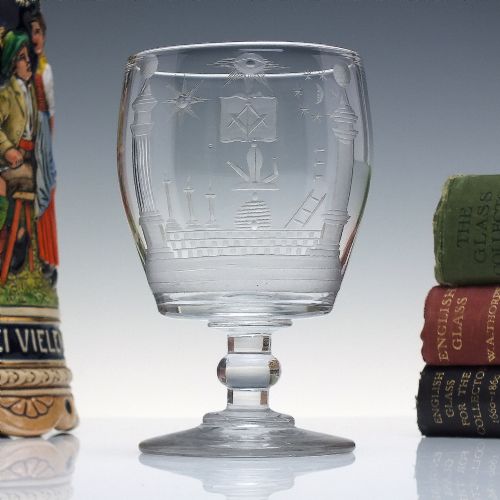
- A heavy, short-stemmed drinking glass with a capacious bowl used for wine, ale, or punch. These vessels frequently feature cut decoration or Masonic engravings.
- Cranberry glass
- A transparent pinkish-red glass produced by adding gold chloride to the molten batch. It gained popularity during the Victorian era for table glassware.
- Intaglio
- A decorative technique where the design is carved into the surface of the glass rather than raised in relief. It creates a subtle, matte finish against polished clear or coloured bowls.
- Vaseline glass
- A yellow-green glass containing uranium dioxide that glows under ultraviolet light. Victorian makers shaped this material into distinctive tableware and wine glasses.
- Parcel-gilt
- Silverware or metal components partially gilded with gold leaf or wash. This treatment highlights specific engraved details and crests on goblets and mugs.
Victorian Drinking Goblets: Frequently Asked Questions
What distinguishes rummers from standard wine glasses?
Rummers possess a larger, wider bowl and a shorter, thicker stem designed for sturdier table use with ale, wine, or punch.
Their substantial weight and capacity set them apart from delicate wine stemware of the period.
How are coloured glass goblets produced?
Coloured glass relies on metallic oxide additives melted directly into the glass batch, such as gold for cranberry tones or uranium for vaseline glass.
Craftsmen then hand-blew and cut the molten material into specific goblet forms.
Are these goblets suitable for daily use?
Many Victorian glass and silver vessels remain durable enough for careful everyday dining and formal gatherings.
Hand-washing preserves fragile gilt details, enamel work, and thin blown rims.
How do you identify Victorian period glassware?
Dating relies on stylistic markers such as pontil marks, baluster stem proportions, and specific nineteenth-century engraving motifs.
Comparative study of material weight and cutting depth also helps separate Victorian production from later reproductions.