




Victorian Double Sofa
A victorian double sofa brings enduring comfort and craftsmanship into a room, offering generous seating fashioned in rich mahogany, walnut, and rosewood.
Victorian Double Sofa
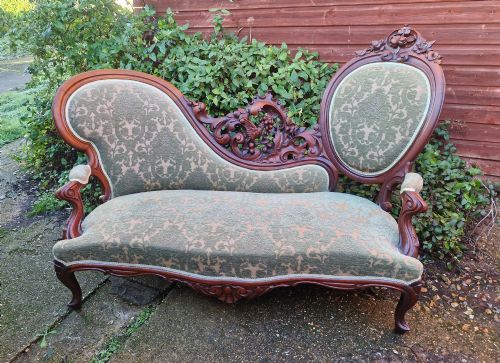
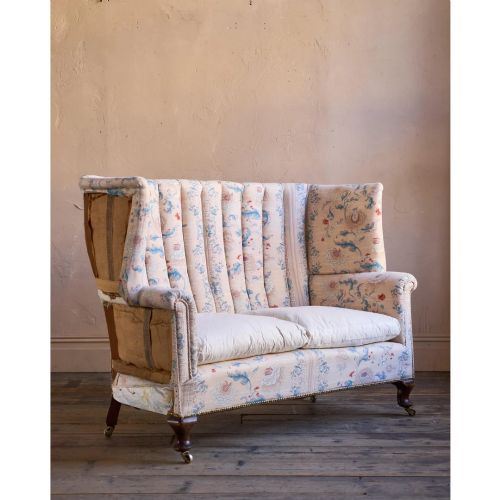
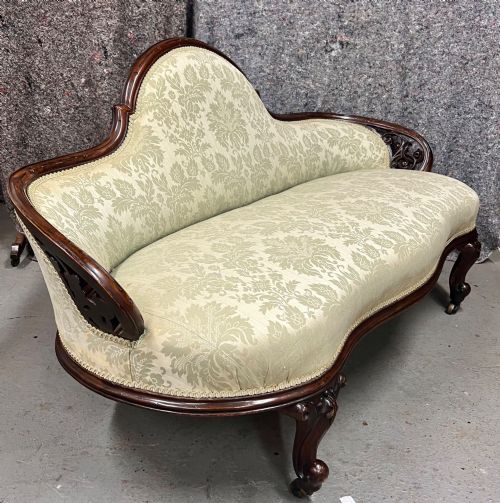
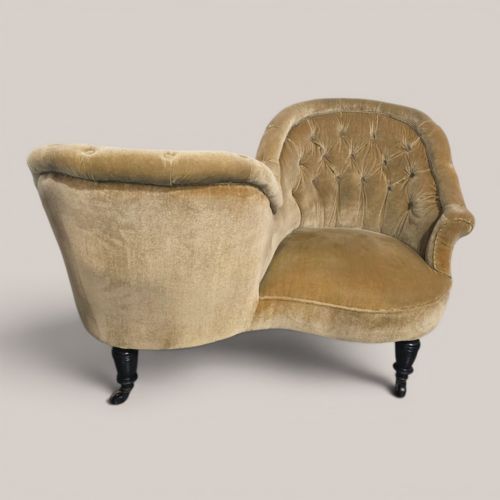
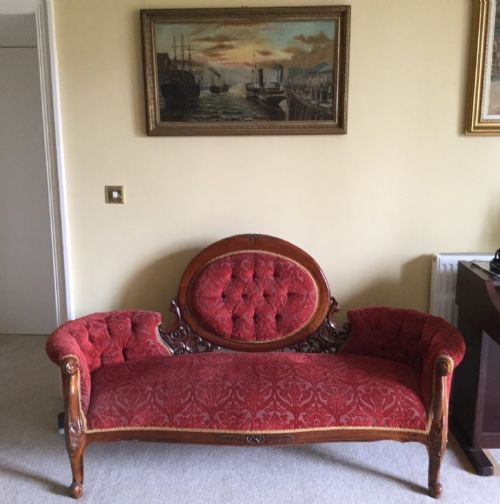
A victorian double sofa encompasses substantial seating options designed during the nineteenth century, ranging from intimate conversation seats to double-ended settees and twin chair back sofas.
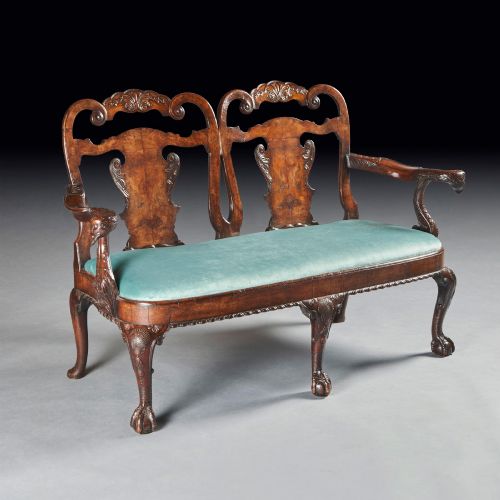
The pieces on this page span the Victorian era, early Victorian periods, and later revivals, displaying forms shaped by Rococo Revival and George II styles.
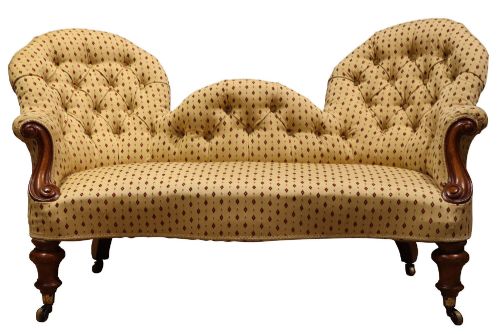
Buyers frequently encounter robust mahogany and walnut frames alongside specialised configurations like double spoon backs and serpentine button-upholstered double end sofas.
Materials and Construction
Makers utilised solid timbers including mahogany, walnut, rosewood, and general hardwoods to build the structural frames, often incorporating carved, turned, and fluted detailing.
Upholstery techniques combined traditional sprung settee bases with textiles such as velvet, fabric, brocade, leather, and ticking, secured with buttoning and trim.
Victorian Double Sofa Retail Price Guide 2026
Typical asking prices for victorian double sofa among the pieces listed under this phrase on Sellingantiques today, from the lower quarter to the upper quarter. They describe what is for sale here now, not the wider market.
Conversation seats let four people argue politely while staring at opposite corners of the room.
Distinctions in Quality
The standard of a piece rests in the depth of timber carving, the crispness of turned components like barley twist frames, and the integrity of the showwood framing.
Superior examples display balanced proportions, finely figured walnut or mahogany, and upholstery execution that respects the original period aesthetic.
Howard And Sons
The Victorian Double Sofa Glossary
- Double-ended settee
- A sofa designed with scrolled or raised ends of equal height, allowing a person to recline at either side.
- Conversation seat
- An upholstered seat configured so two or more people can sit facing opposite directions while conversing.
- Showwood
- Timber framing left visible around the upholstered portions of a chair or sofa to display the grain and carving.
- Button back
- An upholstery method where buttons are pulled deep into the padding to form a geometric diamond pattern.
- Rococo Revival
- A nineteenth-century design movement drawing on eighteenth-century French motifs with asymmetric curves and naturalistic floral carving.
Victorian Double Sofa: Frequently Asked Questions
How do I identify a conversation seat?
A conversation seat consists of an interconnected central structure where the cushioned backs face outward in opposing directions.
These pieces allowed Victorian guests to converse comfortably without turning their bodies.
Where should I place a settee?
Settees suit reception rooms, large hallways, and bedrooms where full-sized sofas might overwhelm the available floor space.
Double-ended versions also function well positioned centrally in a room against open sightlines.
What wood types were used?
Cabinet makers predominantly selected dense hardwoods such as mahogany, walnut, and rosewood for structural frames.
These timbers offered the necessary strength to support elaborate carved elements and showwood borders.