





Victorian Display Urn
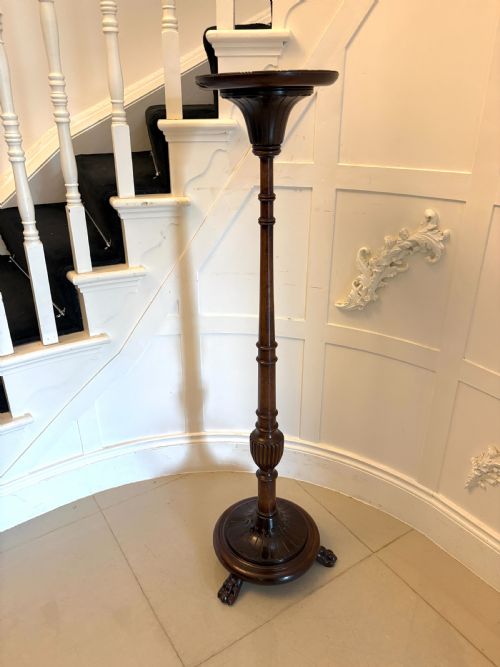
A victorian display urn brings grand architectural presence into a room, serving as a focal point for dried foliage or sculptural display.
Victorian Display Urn
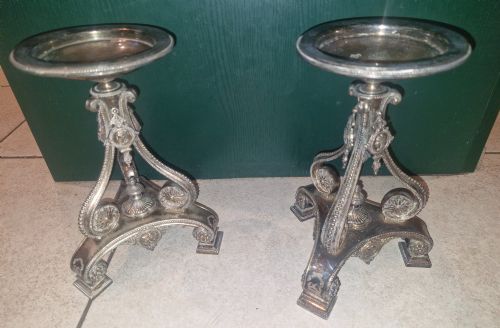
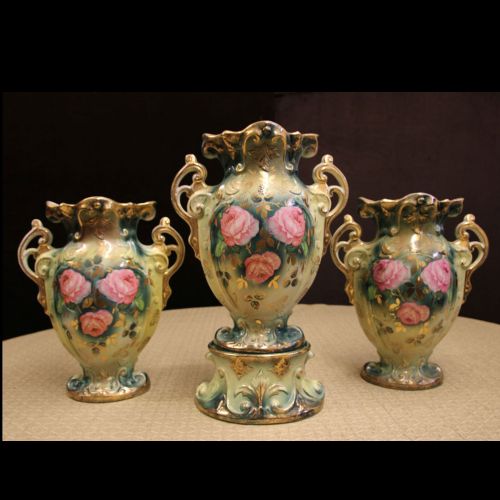
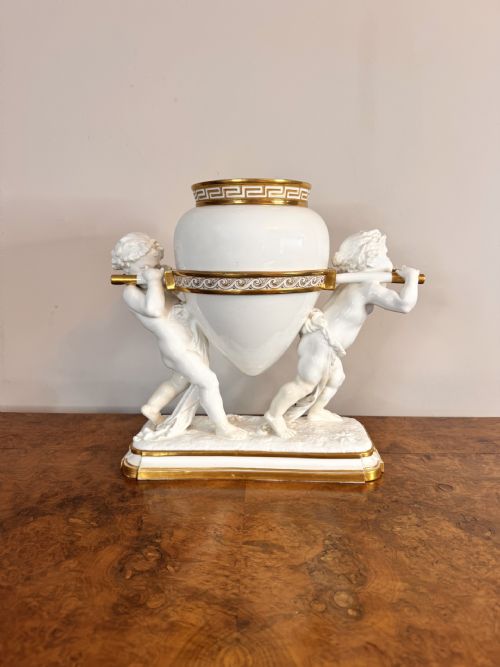
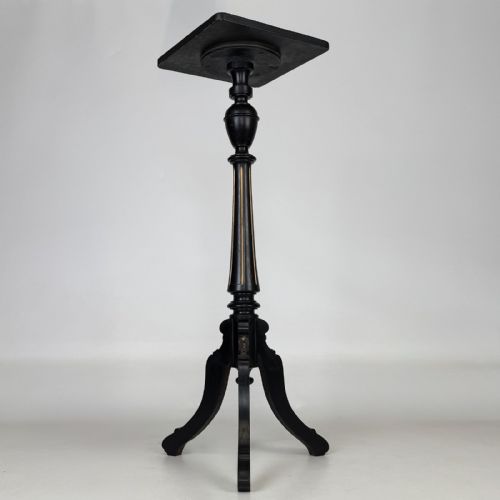
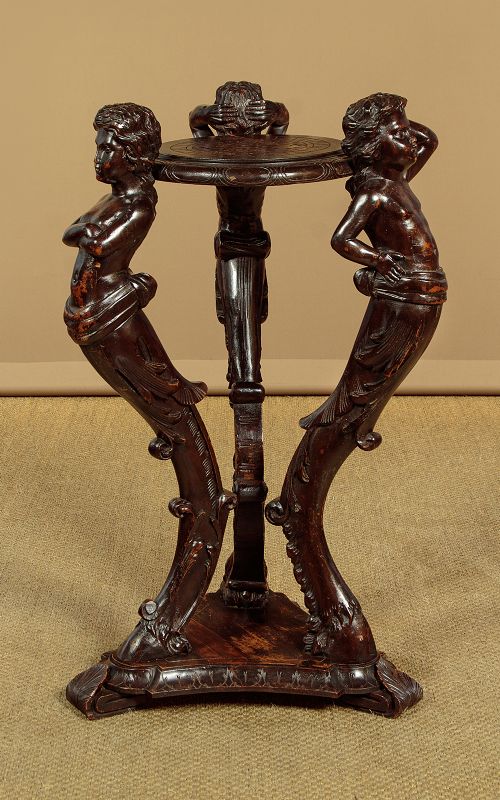
A victorian display urn encompasses decorative vessels and their accompanying pedestals, designed to elevate plants, vases, or sculptural elements within nineteenth-century interiors. These pieces draw heavily on classical motifs, bringing formal garden architecture into the domestic parlour.
The selections encountered here range from porcelain and bronze display pieces to carved wooden pedestals and stands originating from the wider nineteenth century. Neoclassical influences dominate the aesthetic, frequently pairing classical urn forms with sturdy supporting columns.
Buyers frequently encounter related furniture forms such as jardiniere stands, torcheres, and plant pedestals listed alongside dedicated display urns. These secondary forms share the same primary function of elevation and display.
Materials and Construction
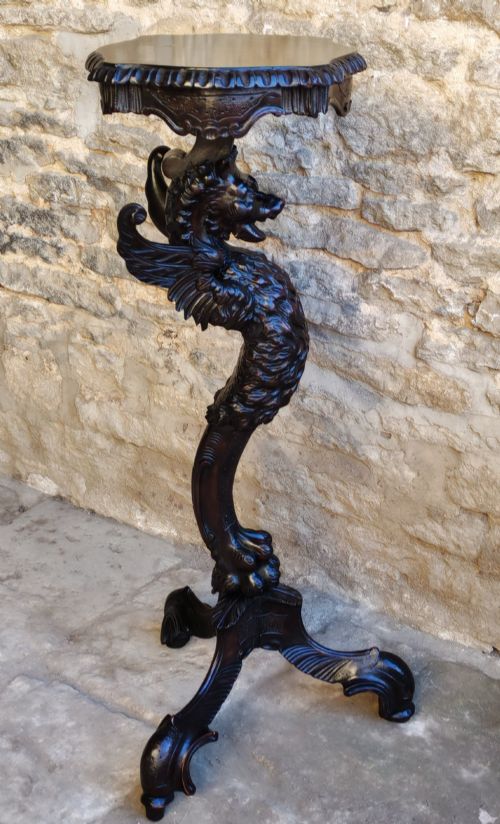
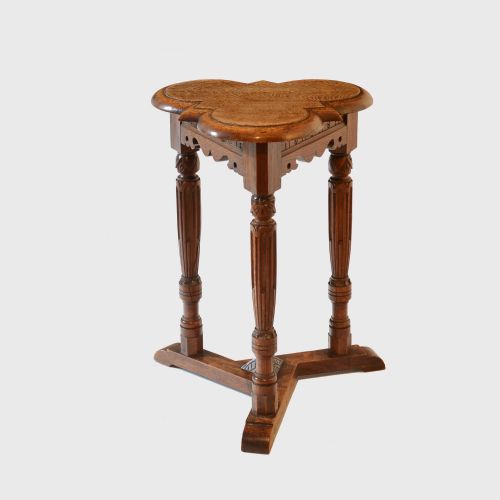
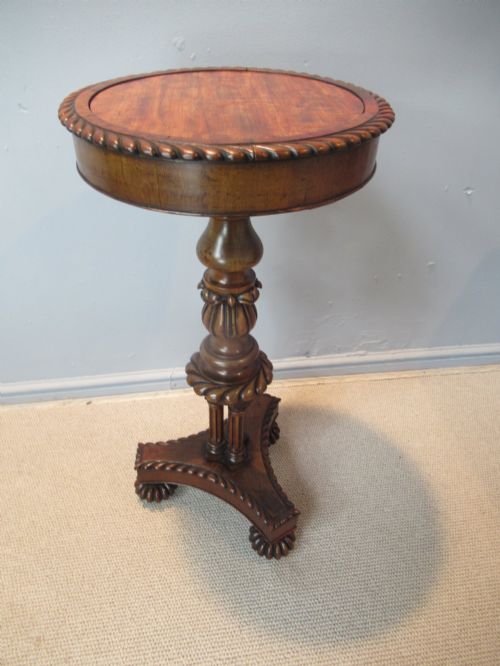
Craftsmen utilised a diverse palette of dense hardwoods, including mahogany, walnut, rosewood, and padouk, often shaping them into heavy turned columns or carved tripod bases. Marble inserts frequently top these stands to provide a durable, cooling surface for heavy ceramic vessels.
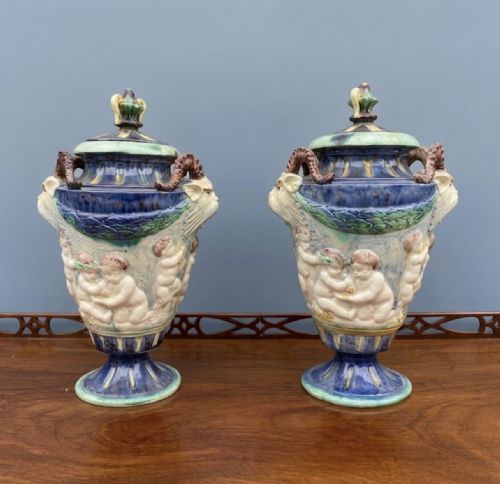
Ceramic and glass vessels rely on specialised moulding and glazing techniques, seen in majolica finishes, pate-sur-pate decoration, and heavy cut glass. Bronze casting and brass work supply the heavier metallic components for Grand Tour pieces and jardiniere stands.
Victorian Display Urn Retail Price Guide 2026
Typical asking prices for victorian display urn among the pieces listed under this phrase on Sellingantiques today, from the lower quarter to the upper quarter. They describe what is for sale here now, not the wider market.
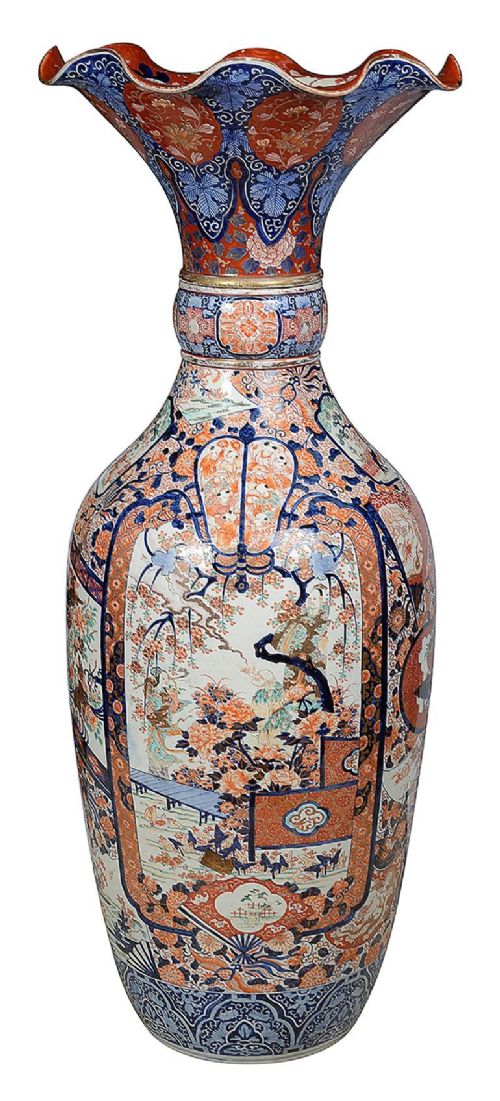
Chinese export hardwoods and Japanese aesthetic pieces appear frequently alongside traditional British Victorian furniture.
Markers of Distinction
Quality rests heavily on the crispness of the carving and the integrity of the materials, where deep, hand-carved details outshine mass-produced machine work. Heavy timber selection and stable joint construction dictate the structural longevity of tall pedestals and urn stands.
Surface finish and ornamentation separate standard decorative items from exceptional examples. Fine marquetry inlay, well-executed enamel work, and undamaged marble tops elevate the visual weight and desirability of a piece.
Minton·Shoolbred·Edwards and Roberts
The Victorian Display Urn Glossary
- Torchere
- A tall, slender stand designed to hold a light source or decorative vase. These pieces utilise sturdy bases to support elevated display platforms.
- Jardiniere stand
- A specialised piece of furniture built to hold a plant container or flower pot. They often feature water-resistant surfaces or inset marble tops.
- Pedestal
- A structural column or plinth used to elevate a bust, urn, or vase. They provide vertical emphasis within an interior scheme.
- Grand Tour
- A cultural journey undertaken by nineteenth-century Europeans, influencing the collection of classical bronzes and Italian marble works. Items from this tradition reflect classical antiquity.
- Pate-sur-pate
- A ceramic decoration technique where layers of liquid clay are built up to create a low-relief cameo effect. This method demands high artistic skill.
Victorian Display Urn: Frequently Asked Questions
How were display urns used in nineteenth-century homes?
These vessels and stands occupied prominent positions in entrance halls, drawing rooms, and conservatories. They held ferns, floral arrangements, or served as standalone sculptural ornaments.
Their primary purpose was to project refinement and classical taste to visiting guests. Taller columns lifted decorative objects to optimal viewing heights.
What materials are most common for these stands?
Mahogany, walnut, and various exotic hardwoods form the majority of the wooden stands and pedestals. Marble and brass frequently appear as contrasting decorative elements.
Ceramic, porcelain, and bronze make up the vessels themselves. Many pieces combine several of these materials in a single construction.
How do I style a victorian urn in a modern room?
A standalone pedestal creates an immediate architectural anchor in an empty corner. Placing trailing foliage or a large floral arrangement inside the urn softens the formal geometry.
Alternatively, leaving the vessel empty allows its material and decorative surface to act as pure sculpture. Pairing heavy wood tones with minimalist surroundings highlights the age of the piece.
How can I tell a Victorian piece from a later copy?
Examine the construction methods, tool marks, and wear patterns on the underside or hidden joints. Nineteenth-century joinery often employs hand-cut tenons and older fastening methods.
Material ageing, such as the natural oxidation of bronze or the patina on hardwood, provides reliable clues to genuine period manufacture. Consistency in style matching the nineteenth century helps confirm authenticity.