





Victorian Dining Decor
Victorian dining decor brings together silver, brass, and plated metal items that finished nineteenth-century dining tables with functional flair.
Victorian Dining Decor
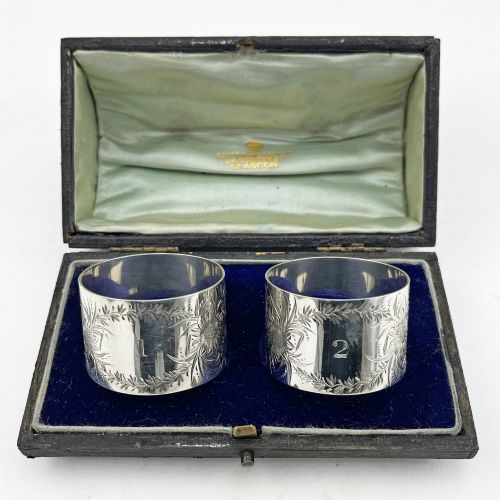
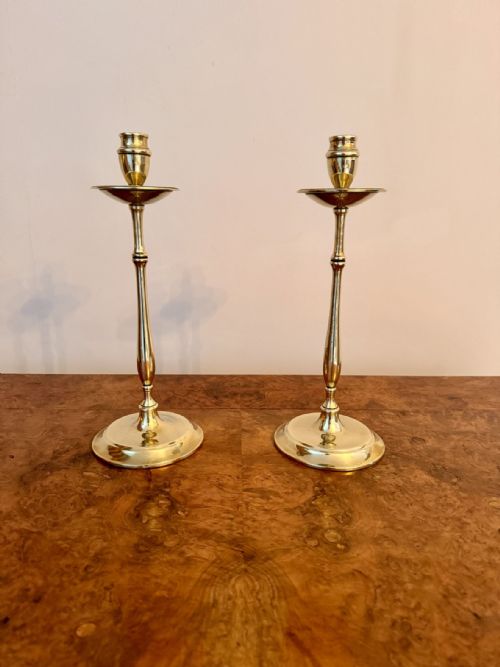
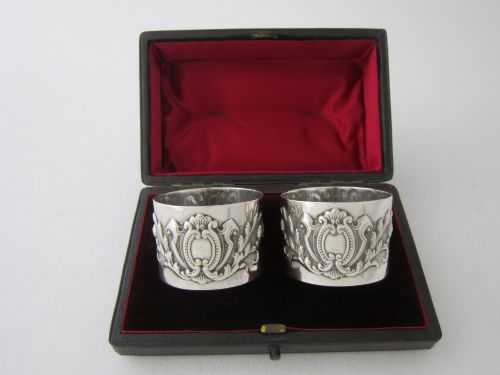
Victorian dining decor encompasses the table accessories and small metalware used during formal meals in the nineteenth century. These pieces include candlesticks for illumination, knife rests to protect table linens, napkin rings for identification, and menu holders for courses.
The objects span from the mid-nineteenth century through the Edwardian period, capturing changing tastes in table settings. Brass and silver plated items sit alongside solid sterling silver pieces, reflecting both modest and grand dining rooms.
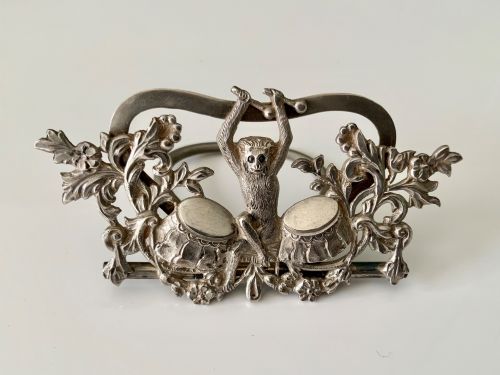
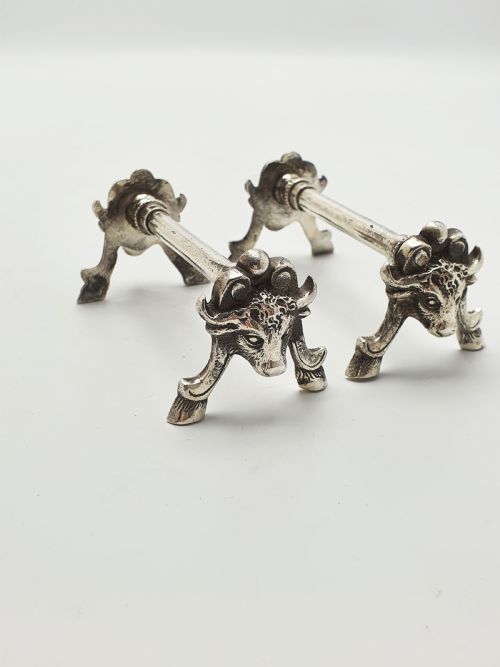
Candlesticks and knife rests appear most frequently in pairs or sets, designed to create symmetry along a long dining table. Specific novelty forms, such as monkey and sphinx designs, introduce playful decorative elements to the table landscape.
Materials and construction
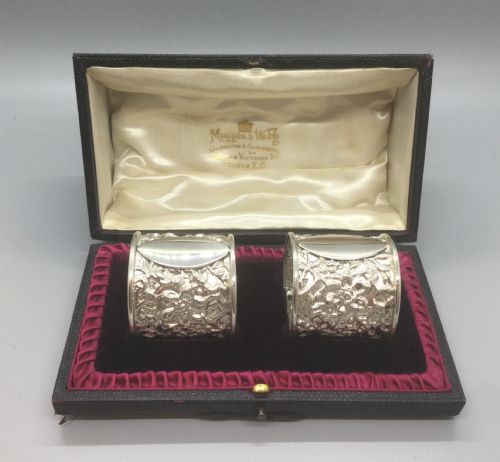
Silversmiths and metalworkers utilised sterling silver and silver plate over base metals to create napkin rings, menu holders, and candlesticks. Sterling silver pieces carry assay office hallmarks, while plated wares apply a thin layer of silver onto supportive metal cores.
Brass formed the basis for heavier candlesticks, shaped through casting and turning on lathes to achieve slender or ornate profiles. Additional elements incorporate mother of pearl for knife rest bars and textiles like silk and velvet inside fitted presentation cases.
Victorian Dining Decor Retail Price Guide 2026
Typical asking prices for victorian dining decor among the pieces listed under this phrase on Sellingantiques today, from the lower quarter to the upper quarter. They describe what is for sale here now, not the wider market.
Listings feature items spanning from 1850 through the Edwardian period, constructed in sterling silver, silver plate, and brass.
Factors of quality
Quality rests on the crispness of cast or chased detail, particularly on figural pieces such as sphinx knife rests or animal menu holders. Softer, worn details indicate repetitive casting or heavy polishing that removes surface definition.
Weight and structural integrity distinguish substantial solid silver or heavy brass from lighter plated alternatives. Fitted cases and complete matching sets elevate the desirability of items like napkin rings and knife rests.
The Victorian Dining Decor Glossary
- Sterling silver
- A silver alloy containing 92.5 percent pure silver by mass, standard for British table silver.
- Silver plate
- A layer of silver applied to a base metal such as nickel silver or copper.
- Knife rest
- A small support placed on the table to keep the blade of a carving or dining knife off the tablecloth.
- Menu holder
- A small upright frame or figural stand designed to display the menu card at a place setting.
- Hallmark
- An official stamp applied to precious metals indicating the standard of purity and assay office.
Victorian Dining Decor: Frequently Asked Questions
What is included in Victorian dining decor?
These items comprise small metal accessories used to set and decorate nineteenth-century dining tables. Common forms include candlesticks, napkin rings, knife rests, and menu holders.
Materials range from heavy cast brass to sterling silver and silver plate, often featuring decorative motifs from floral patterns to Egyptian Revival designs.
How were knife rests used?
Knife rests were placed beside each plate to hold carving knives or individual dining knives between courses. This kept soiled blades elevated away from fine linen tablecloths.
They are typically found in pairs and match the metal or decorative theme of the other table accessories.
How do I date these silver items?
British silver items often carry hallmarks that include a date letter indicating the exact year of assay and manufacture. Maker's marks and style periods provide additional chronological evidence.
Unmarked silver plated items and brass pieces are dated by stylistic cues such as Egyptian Revival motifs or Edwardian forms.
Can I use these items daily?
Solid silver and brass table accessories are durable and suited for contemporary dining use with appropriate care. Sterling silver and silver plate require regular gentle cleaning to maintain their finish.
Items with fitted cases or delicate materials like mother of pearl benefit from more careful handling.