


Victorian Dining Accessories
Victorian dining accessories are functional table pieces that bring formal nineteenth-century tables to life.
Victorian Dining Accessories
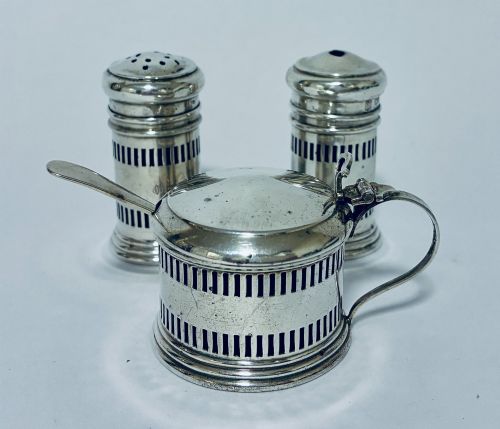
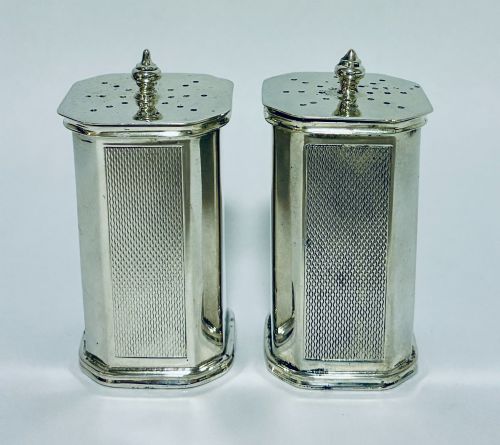
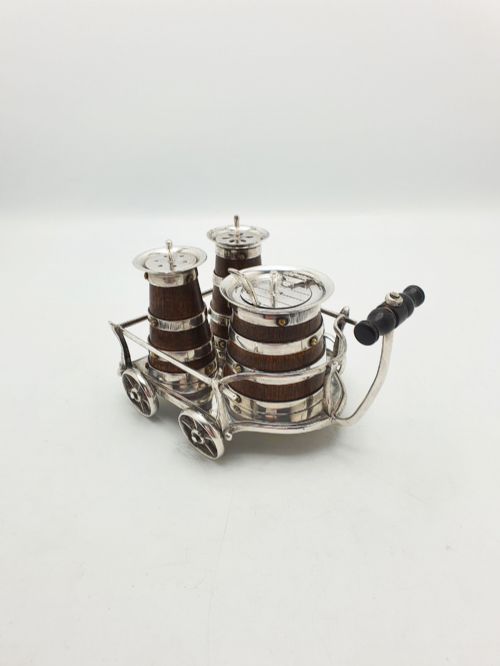
Victorian dining accessories comprise a wide variety of tableware and serveware designed to assist with formal meals, including cruet sets, salt cellars, napkin rings, and knife rests. Buyers searching for these items meet silver and silver-plated pieces originating from periods spanning the nineteenth century and into the Edwardian era.
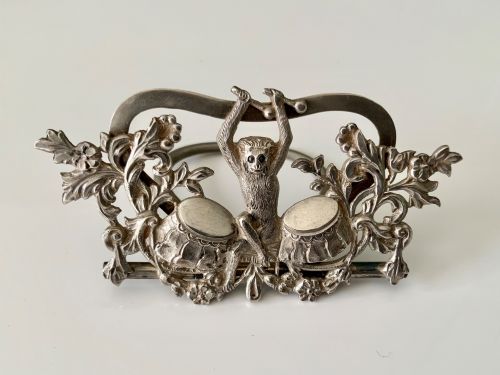
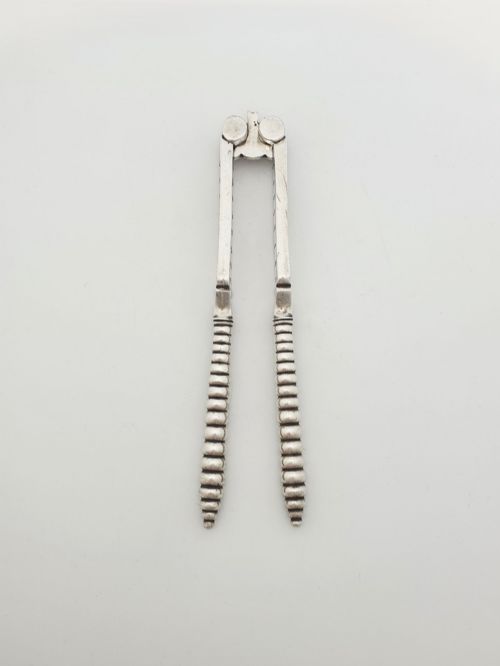
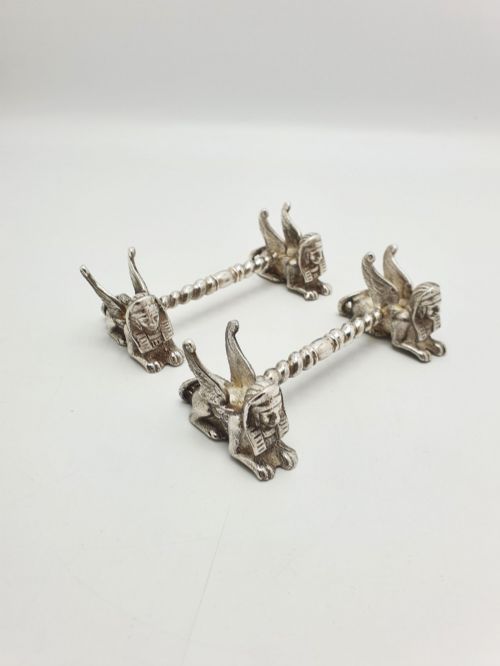
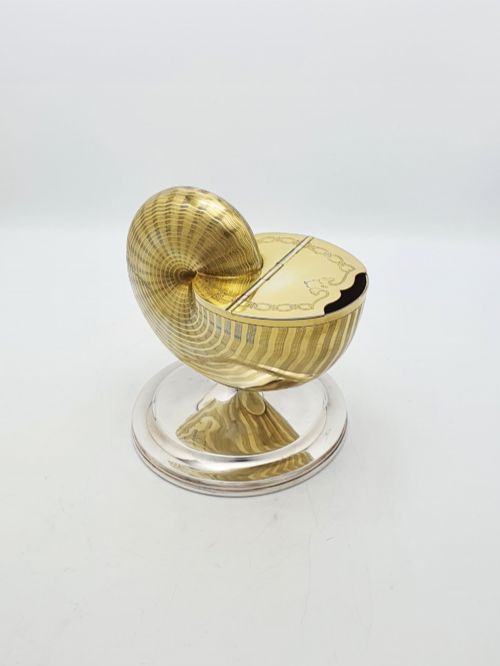
Specific forms range from utilitarian meat skewers and marrow scoops to decorative novelty items like monkey menu holders, sphinx knife rests, and nautilus shell spoon warmers. Sterling silver and silver-plated items dominate the selection, often accompanied by cut glass, wood, and silk linings.
How They Were Made
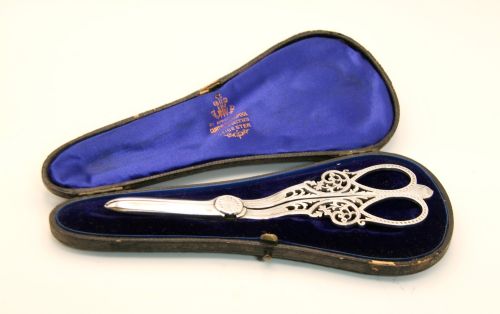
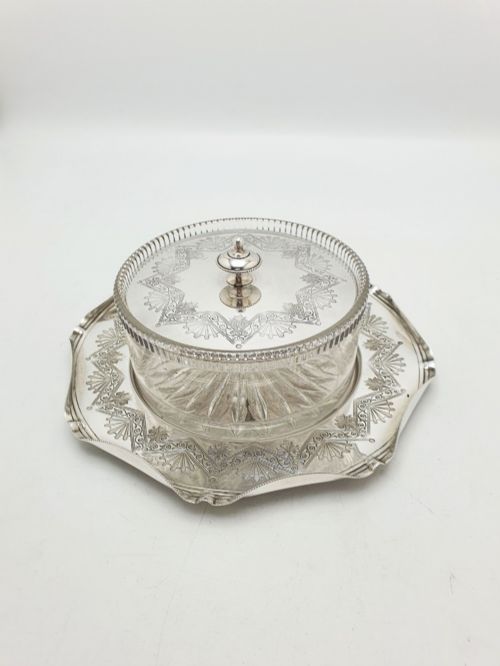
Silversmiths utilised sterling silver and silver plating over base metals to shape mustard pots, toast racks, and grape shears using casting, hammering, and engraving techniques. Glass liners inside butter dishes and pepper grinders demonstrate the combination of silver with cut glass.
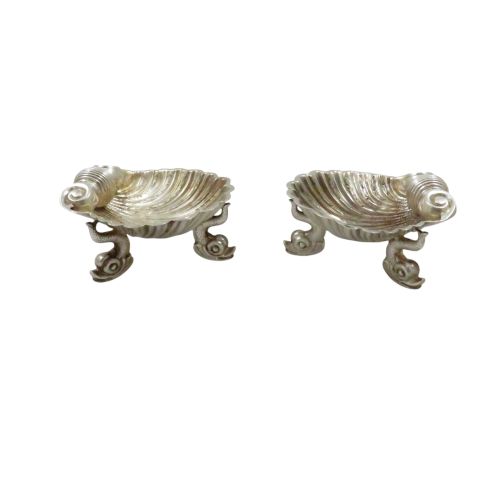
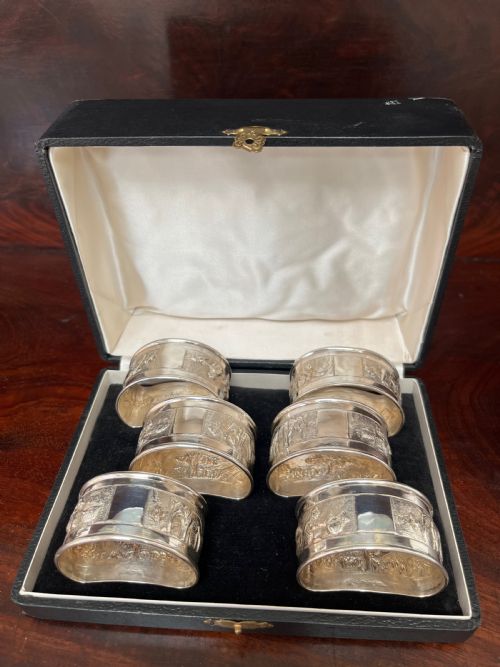
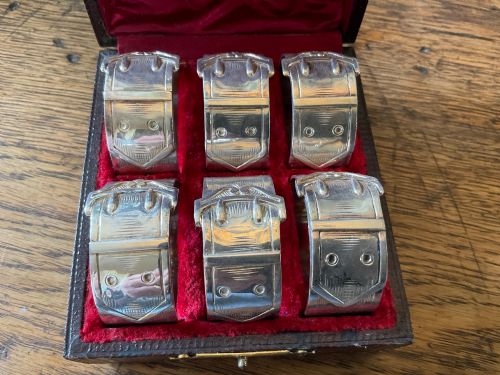
Novelty pieces and cruet sets often incorporated detailed sculptural elements, such as dolphin feet on salt cellars or cast swan shapes for table salts. Workshops employed silk, velvet, and leatherette to line fitted cases for napkin rings and fish servers.
Dining tables of the period welcomed monkey drummers, sphinxes, and chiming silver chicks among the salt cellars and menu holders.
What Varies in Quality
The standard of design separates standard table items from exceptional works, visible in the sculptural detail of cast silver grape scissors or figural menu holders. Maker attribution, such as pieces produced by Elkington & Co, also distinguishes the top of the range.
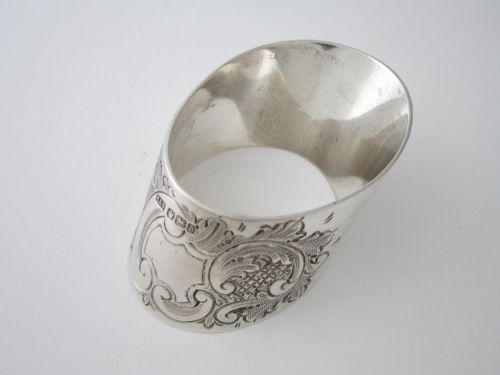
Completeness alters the character of a piece, particularly in cased sets of napkin rings or multi-bottle cruet sets retaining their original glass components. The crispness of hallmarks and the weight of the sterling silver or silver plate indicate the original skill involved in production.
Elkington & Co·Thomas Smily·Ridgways China
The Victorian Dining Accessories Glossary
- Cruet set
- A matched set of bottles or containers for holding condiments like oil, vinegar, salt, and pepper at the dining table. These often sit in a silver or silver-plated frame.
- Spoon warmer
- A specialised Victorian vessel designed to hold hot water and keep serving spoons warm during formal meals. They frequently took whimsical forms such as nautilus shells or ceramic barrels.
- Knife rest
- A small support used between courses to keep the blade of a carving or dining knife elevated above the tablecloth. Designs in this selection include Egyptian Revival sphinxes and bull heads.
- Marrow scoop
- A long, slender utensil with shallow bowls at each end used for extracting bone marrow during nineteenth-century dining. They are typically made of sterling silver.
- Toast rack
- A metal rack with multiple vertical divisions designed to hold slices of toast upright and prevent them from becoming soggy. They appear in both sterling silver and silver plate.
Victorian Dining Accessories: Frequently Asked Questions
What is a spoon warmer used for?
Spoon warmers held hot water during long nineteenth-century meals to ensure that serving spoons remained warm when dishing out gravy or sauces. They were placed directly on the sideboard or table.
These pieces often took elaborate sculptural shapes, such as shells or animal figures, functioning as decorative conversation pieces as well as practical tableware.
How do I use knife rests?
Knife rests sit beside the dinner plate to support carving knives or individual dining knives between courses. This kept the soiled blades off the pristine tablecloth.
Victorian examples frequently display playful motifs like sphinxes or animal heads, reflecting the era's taste for imaginative table decoration.
What are silver salt cellars?
Salt cellars were small open dishes placed on the dining table to hold salt before the invention of the spring-loaded shaker. Dinners typically used small spoons or pinches to take the salt.
They often feature glass liners and decorative supports, such as dolphin feet or double-headed swan bodies.
How do I care for silver tableware?
Silver tableware requires gentle cleaning with appropriate silver polish to remove tarnish without abrading the surface. Avoid harsh chemical dips that strip away desirable patination.
Store pieces in dry environments, and use fitted cases or cloth wraps to protect items with velvet, silk, or glass components from accidental damage.