





Victorian Diamond Star
Victorian diamond star pieces capture celestial motifs in gold and silver, offering collectors wearable history with enduring brilliance.
Victorian Diamond Star
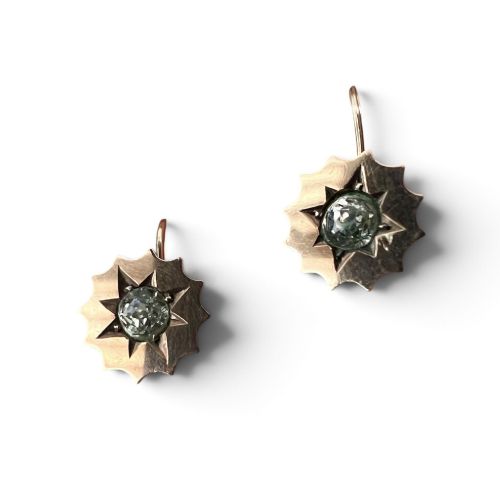
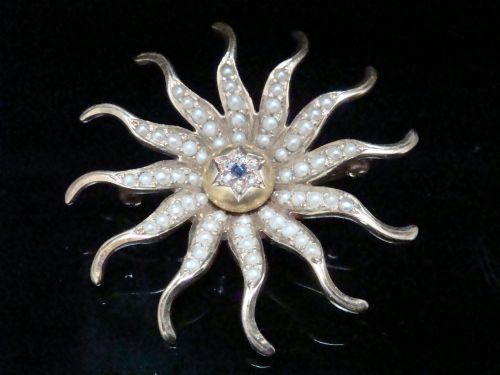
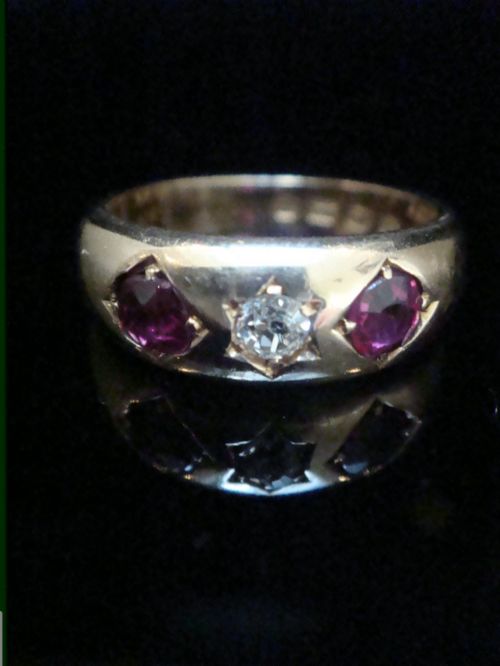
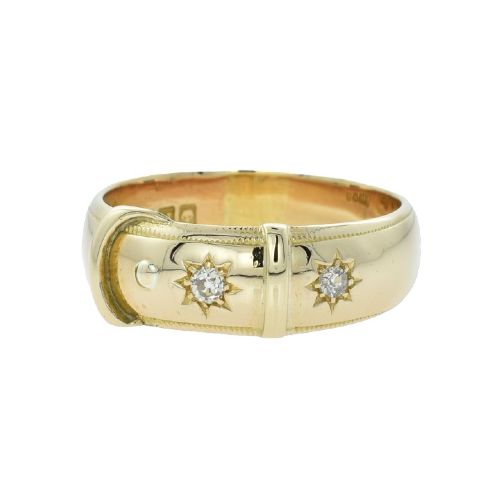
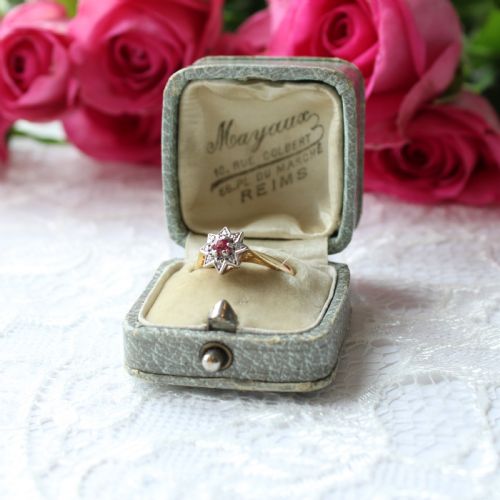
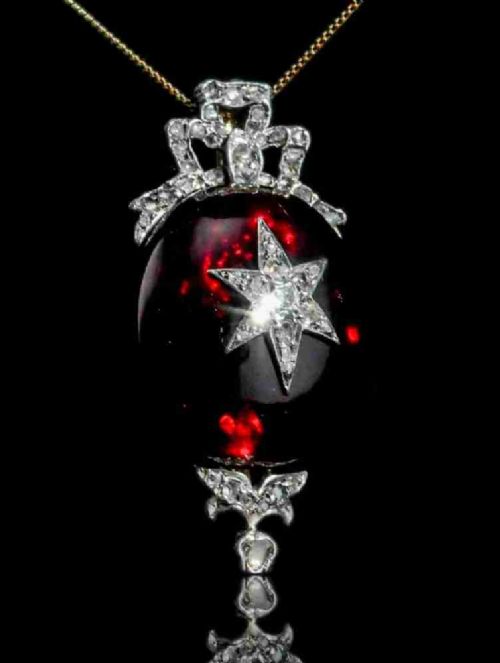
A victorian diamond star brings together celestial motifs and nineteenth-century craftsmanship, appearing primarily as brooches, pendants, and gypsy-set rings. These items frequently combine old-cut diamonds with yellow gold or silver settings, reflecting the period's fascination with the night sky.
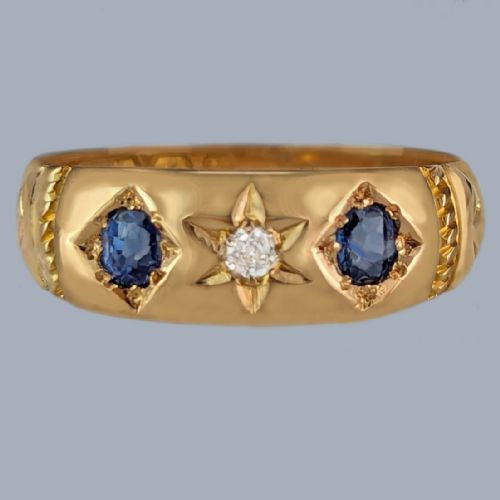
Makers of the era also incorporated pearls, rubies, and sapphires alongside the central star designs on lockets and earrings. Buyers encounter these versatile convertible pieces, which function as both pendants and brooches, across Victorian and Edwardian inventories.
How They Were Made
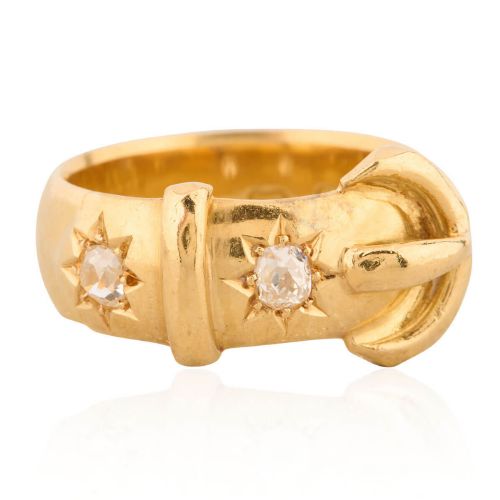
Goldsmiths utilised 15ct and 18ct yellow gold alongside silver settings, a technique that kept diamond facets bright against darker metals. Old-cut and rose-cut diamonds were secured by hand, often flush within gypsy bands or raised in starburst clusters.
Enamel work, turquoise, and seed pearls frequently accented the gold structures, while hollow stamping and chased details added dimension to lockets and buckle rings without excessive weight.
Victorian Diamond Star Retail Price Guide 2026
Typical asking prices for victorian diamond star among the pieces listed under this phrase on Sellingantiques today, from the lower quarter to the upper quarter. They describe what is for sale here now, not the wider market.
Some Victorian star lockets hide tiny glass compartments once meant for locks of hair or miniature painted portraits.
What Varies in Quality
The precision of the star motif and the matching of old-cut stones dictate the visual harmony of a piece. Finer examples display symmetrical claw or star settings where the metalwork enhances rather than overwhelms the diamond sparkle.
Structural integrity in convertible elements, such as secure pendant loops and pin hinges, separates everyday survivals from masterwork items designed for high-status wear.
The Victorian Diamond Star Glossary
- Old-cut diamond
- A hand-faceted diamond shape from the nineteenth century featuring a small table, high crown, and open culet, designed to catch candlelight.
- Gypsy ring
- A ring style where stones are flush-set directly into the thick tapering gold band, popular during the late nineteenth century.
- Starburst
- A radiating design motif imitating celestial light, frequently executed in diamonds set over silver-topped gold.
- Cabochon
- A gemstone shaped and polished with a smooth convex surface rather than faceted, often seen in rubies, garnets, and sapphires.
- Convertible piece
- An item designed with removable or hidden fittings, allowing a brooch to transform into a pendant or part of a tiara.
Victorian Diamond Star: Frequently Asked Questions
What is a Victorian starburst pendant?
A starburst pendant is an ornamental jewel shaped like a multi-pointed star, often set with old-cut diamonds in silver over gold.
These pieces were worn suspended from chains or pinned to garments, sometimes featuring convertible fittings that allowed them to transition between necklace pendants and brooches.
How do I wear an antique star brooch?
Antique star brooches attach securely to lapels, scarves, or evening gowns using traditional pin and C-clasp mechanisms.
Many examples include hidden loops at the back, enabling the wearer to thread a gold chain through the frame and use the piece as a pendant.
What are gypsy set diamond rings?
Gypsy set rings feature stones embedded flush into the heavy gold band, creating a smooth, continuous outer surface.
This setting style protected the girdle of the diamond and made the ring practical for daily wear during the Victorian and Edwardian periods.
How can I tell the age of these jewels?
Dating relies on hallmarks, metal standards such as 15ct gold, and specific construction methods like closed-back settings or hand-cut stones.
Stylistic cues such as blue enamel work, mourning motifs, and Etruscan revival details also point toward specific decades within the nineteenth century.