





Victorian Diamond Bar Pin
These Victorian diamond bar pin pieces are fine slender jewels set with gems, offering subtle sparkle on a lapel.
Victorian Diamond Bar Pin
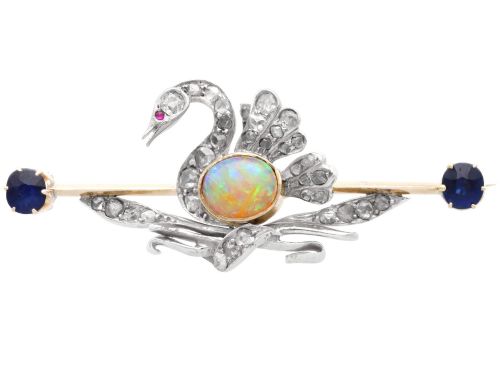
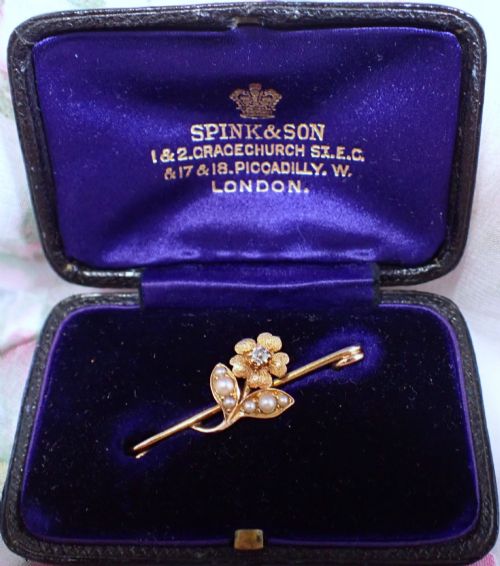
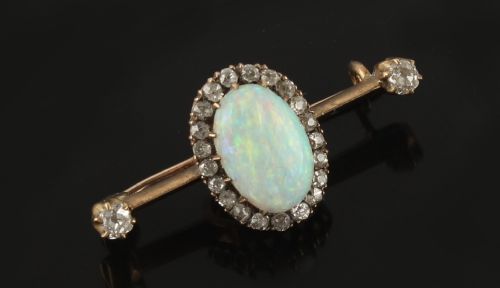
A victorian diamond bar pin typically takes the form of a slender horizontal bar brooch, often enhanced with floral motifs, clover shapes, or figurative subjects like swallows and cockerels. These pieces bridge the late Victorian and Edwardian eras, spanning from the late nineteenth century into the early twentieth century.
The materials paired with diamonds on this page include standard gold, fifteen-carat gold, fourteen-carat gold, silver, and occasionally platinum or mixed metals. Gemstones such as rubies, opals, pearls, emeralds, tourmalines, aquamarines, and peridots frequently accompany the diamonds.
Buyers encounter brooches and pins dated around eighteen ninety, nineteen hundred, and nineteen ten, encompassing late Victorian and Edwardian styles. The selection includes both simple linear mounts and detailed cluster or figural designs.
Materials and construction
Jewellers constructed these pieces using fifteen-carat or nine-carat yellow gold, sometimes combining silver and gold settings to enhance the brilliance of the stones. Metalwork involved forming thin bars and detailed wirework or cast mounts for floral and animal subjects.
Stones were secured using traditional hand-cut methods, featuring old cut European diamonds and rose-cut diamonds alongside rubies, pearls, opals, and emeralds. Setting techniques included collet settings and claw settings appropriate for the period.
Victorian Diamond Bar Pin Retail Price Guide 2026
Typical asking prices for victorian diamond bar pin among the pieces listed under this phrase on Sellingantiques today, from the lower quarter to the upper quarter. They describe what is for sale here now, not the wider market.
Materials recorded across the selection include gold, fifteen-carat gold, silver, diamonds, rubies, opals, pearls, and emeralds.
Quality factors in manufacture
Quality rests in the precision of the stone setting and the complexity of the subject, such as intricately rendered floral clusters or animal figures compared to plain bars. The choice of materials, notably fifteen-carat gold over lower carat thresholds, marks distinction in the range.
The selection of accompanying gemstones, from natural pearls and opals to rubies and emeralds, influences the character of each piece. Superior examples display balanced proportions between the central diamond work and the supporting bar or mount.
The Victorian Diamond Bar Pin Glossary
- Bar brooch
- A brooch featuring a narrow horizontal metal shaft as its primary structure. This format provides a stable base for mounted stones and decorative central motifs.
- Old cut diamond
- A diamond cut by hand before modern machinery standardised facets. These stones typically exhibit smaller tables and higher crowns, casting a softer candlelight sparkle.
- Rose-cut diamond
- A diamond style with a flat base and a domed crown covered in triangular facets. It resembles an unopened rosebud.
- Fifteen-carat gold
- A gold alloy containing sixty-two point five percent pure gold, common in British jewellery from the Victorian and Edwardian periods. It offers a rich yellow hue distinct from modern alloys.
Victorian Diamond Bar Pin: Frequently Asked Questions
How do I wear a bar pin?
These pieces fasten securely to lapels, collars, or heavy fabrics using a pin and C-clasp mechanism typical of the period. Placing them on structured garments ensures the bar hangs straight.
Ensure the safety catch or pin stem is secure before wearing the item out for the day.
Are these pieces strictly Victorian?
While many date to the Victorian era, the listings span into the Edwardian period around nineteen hundred and nineteen ten. Makers continued blending late Victorian aesthetics with early twentieth-century lightness.
Check the specific date attributed to each listing to understand its exact period context.
What stones are used besides diamonds?
Makers combined diamonds with rubies, opals, pearls, emeralds, tourmalines, aquamarines, and peridots. These coloured gems appear in floral clusters or accent animal subjects.
Each combination reflects the decorative tastes popular at the turn of the twentieth century.
How are these brooches constructed?
Jews used gold, fifteen-carat gold, silver, and mixed metals to form the underlying bars and decorative mounts. Stones were set by hand using period techniques.
Many incorporate boxed presentations or detailed figural elements such as clover leaves and birds.