

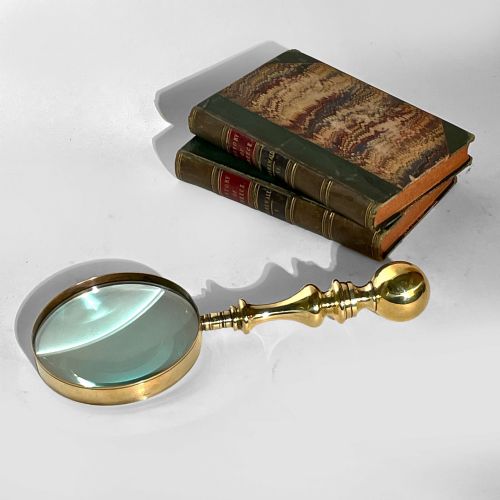

Victorian Desktop Accessory
A Victorian desktop accessory brings nineteenth-century order to papers and correspondence through walnut, brass, and hand-tooled leather.
Victorian Desktop Accessory
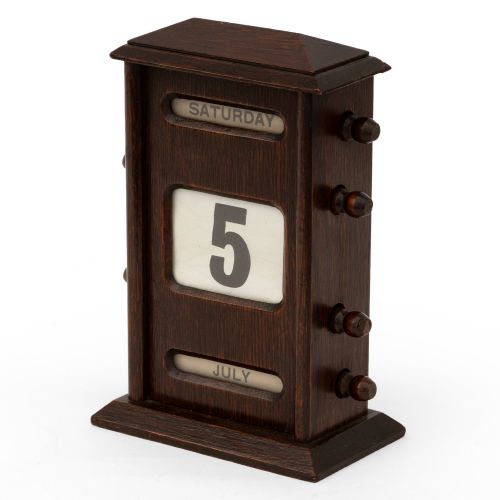
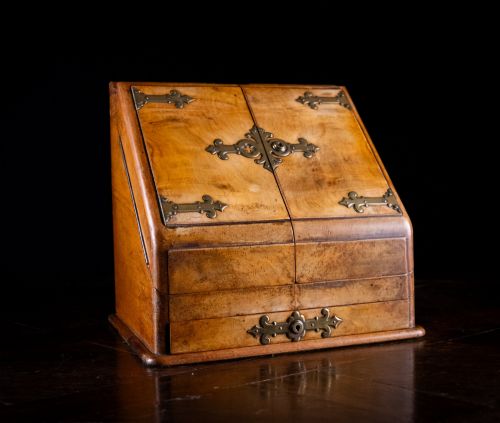
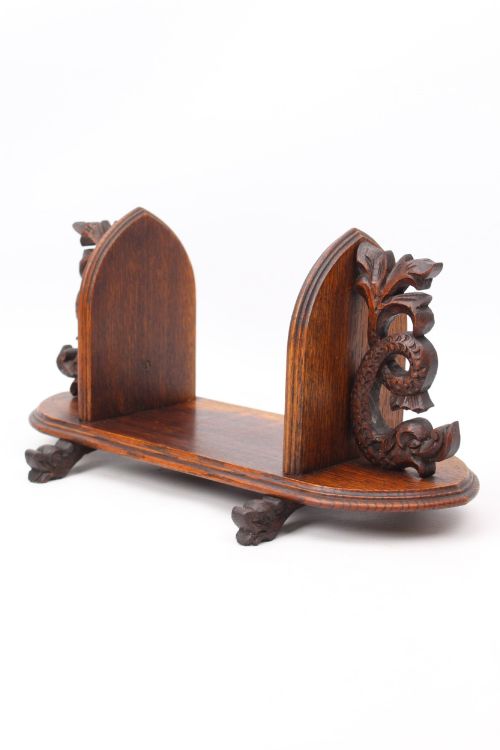
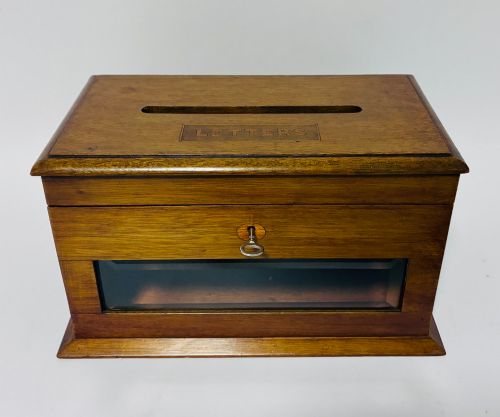
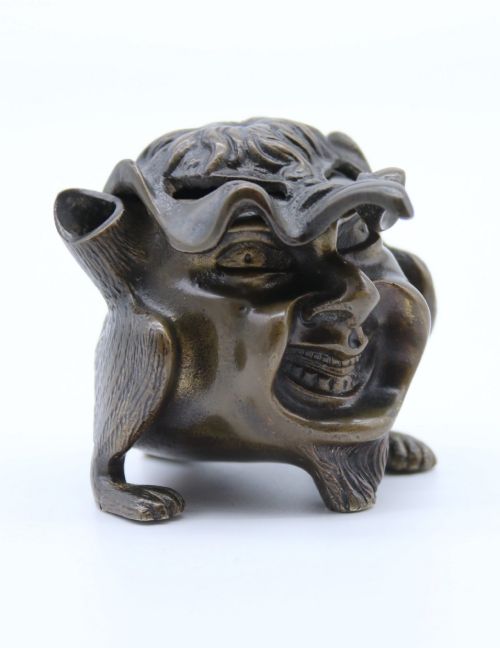
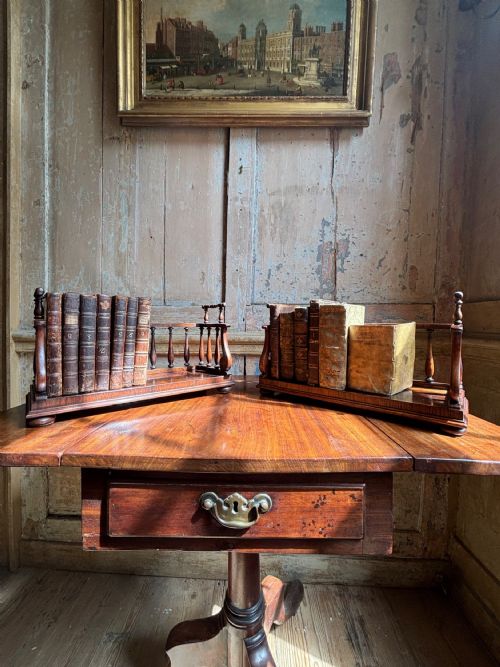
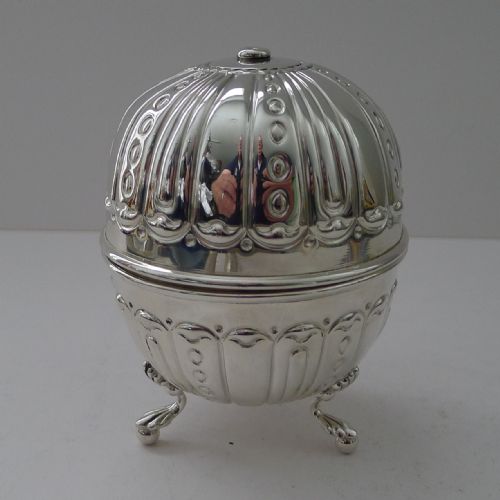
A Victorian desktop accessory encompasses utilitarian items designed for nineteenth-century correspondence, including extending book slides, stationery boxes, and inkstands. These pieces reflect the heavy emphasis placed on orderly study and writing desks during the period.
The selections on this page span the Victorian era, the Edwardian period, and the early twentieth century, showing materials ranging from native oak and walnut to exotic olive wood and teak. Most examples combine functional wooden bodies with brass mounts, ceramic inserts, or cut glass.
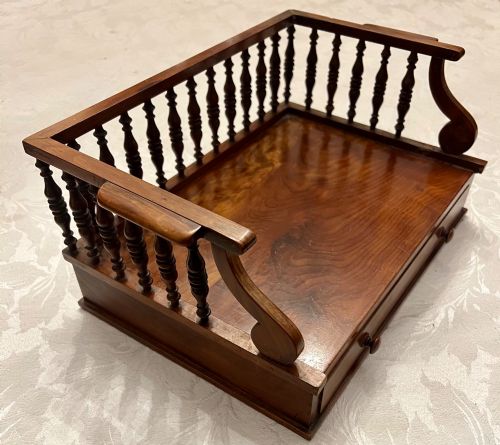
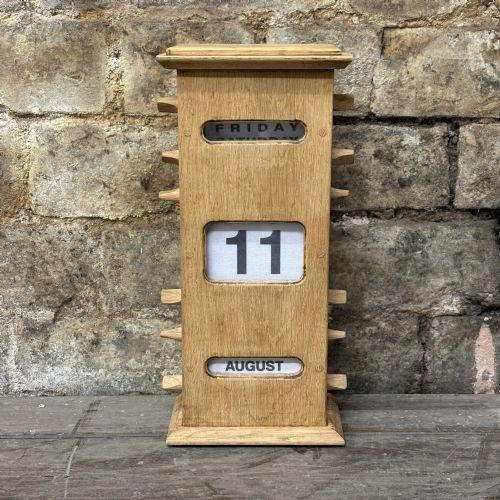
Book slides and stationary cabinets dominate the forms, alongside perpetual calendars, letter racks, and double inkstands. Makers adapted these objects for the home library, hotel, and country house study.
Materials and Construction
Cabinet makers utilised dense hardwoods such as mahogany, walnut, oak, and yew, often cutting them to reveal burr veneers or applying ebonised finishes. Brass hinges, straps, and corner mounts reinforce the wooden frames and add decorative contrast.
Details rely on specialised techniques including Tunbridge ware mosaic, pokerwork, leather tooling, and cast bronze or silver plating. Glass inkwells and Dutch Delft faience insert directly into metal stands, while extending mechanisms use wooden tracks and brass screws.
Victorian Desktop Accessory Retail Price Guide 2026
Typical asking prices for victorian desktop accessory among the pieces listed under this phrase on Sellingantiques today, from the lower quarter to the upper quarter. They describe what is for sale here now, not the wider market.
Some nineteenth-century writers kept their tobacco as secure as their letters inside locking burr walnut cigar cabinets.
Assessing Quality and Execution
Quality rests on the selection of timber veneers, such as burr walnut or pollard oak, and the precision of the brass mounts fitted to corners and hinges. Finer pieces incorporate patent mechanisms, such as those by Betjemanns, or feature hand-painted plaques and intricate Tunbridge ware inlay.
The integration of materials dictates the overall standard, separating standard utilitarian items from luxury library furnishings. Superior examples retain matching cut glass inserts, fully functional locking mechanisms with original keys, and crisp carving or pokerwork detailing.
William Tonks of Birmingham·Betjemanns·Gillows
The Victorian Desktop Accessory Glossary
- Book slide
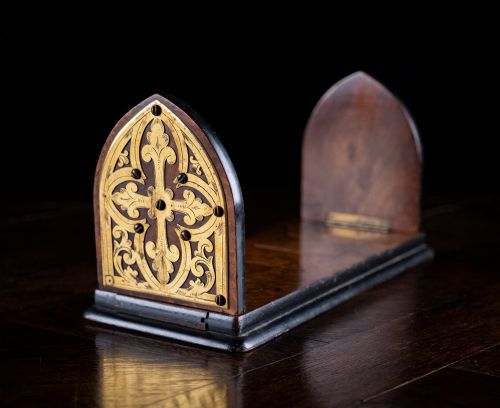
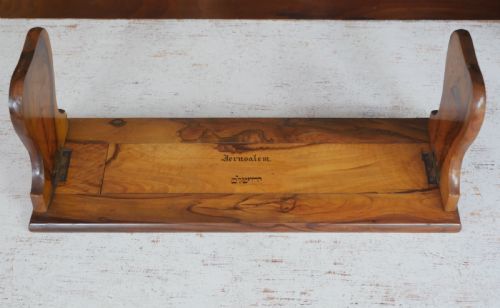
- An extending wooden stand designed to hold a row of volumes upright on a desk or table. These often feature hinged or sliding ends supported by brass mounts.
- Stationery box
- A desk cabinet with a sloping or dome top designed to store writing paper and envelopes in upright compartments. Many include internal ledgers and locking doors.
- Inkstand
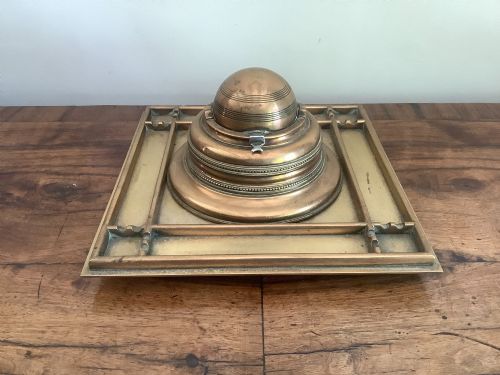
- A tray or stand holding one or more inkwells, often accompanied by pen troughs and sanders. Materials range from solid silver to cut glass and brass-mounted walnut.
- Tunbridge ware
- A form of decorative woodwork produced in Kent using small mosaic wood tiles to create geometric or pictorial scenes. It frequently decorates Victorian boxes and tea caddies.
- Perpetual calendar
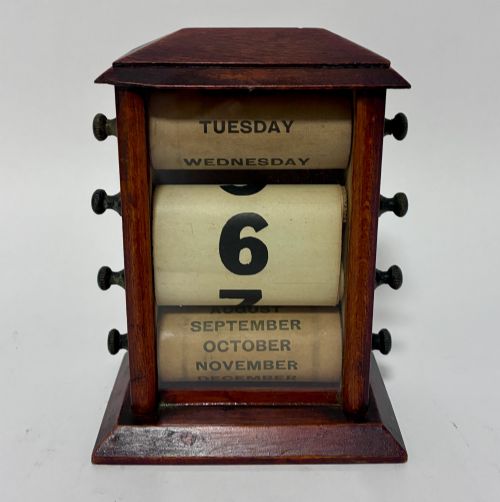
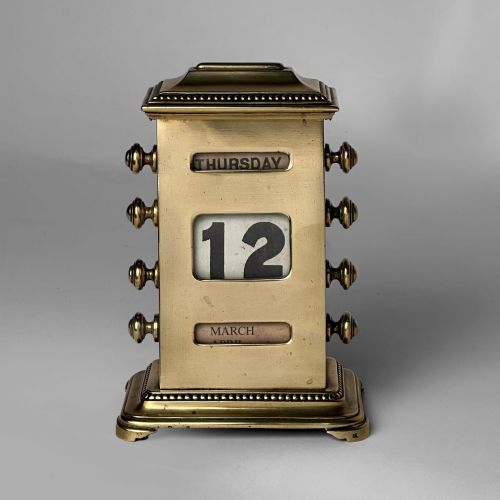
- A desk accessory with adjustable rollers, cards, or dials to display the day, date, and month for any year. These are typically housed in oak, walnut, or cast brass frames.
Victorian Desktop Accessory: Frequently Asked Questions
What is a Victorian desktop accessory?
A Victorian desktop accessory is a functional object used for writing, reading, and organising correspondence in a nineteenth-century study or library. Common forms include inkstands, stationery boxes, book slides, and perpetual calendars.
These pieces combine utilitarian purpose with decorative craftsmanship, utilising materials like brass, walnut, leather, and cut glass to adorn the desk.
How were stationery boxes used?
Stationery boxes sat upon desks to keep writing paper, cards, and envelopes neatly sorted in vertical slots behind a hinged lid or doors. They kept writing materials clean and private when not in use.
Many featured sloping lids, integrated pen trays, and locks to secure confidential correspondence in the home or office.
How do I date a book slide?
Dating a book slide involves examining the timber species, mount styles, and manufacturing techniques present in the piece. Mid-nineteenth-century examples often feature Gothic Revival brass strapwork and solid walnut or mahogany.
Later Victorian and Edwardian versions may utilise ebonised wood, simpler extending mechanisms, or different decorative styles like Arts and Crafts oak or inlaid exotic woods.
How do I care for wooden desk accessories?
Wooden desk accessories require gentle dusting with a dry cloth and occasional application of appropriate furniture wax to nourish the timber and veneers. Avoid placing them near direct heat sources or strong sunlight, which can dry out the wood and crack finishes.
Brass mounts and glass inkwells can be cleaned independently with mild, non-abrasive solutions, taking care to protect surrounding leather and wood surfaces.