





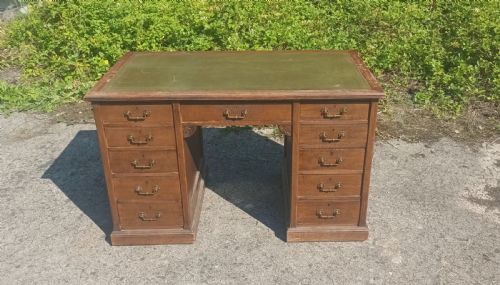

Victorian Desk Stamp
A victorian desk stamp brings tactile history to a correspondence corner, offering a solid brass or silver mechanism for sealing and marking paper.
Victorian Desk Stamp
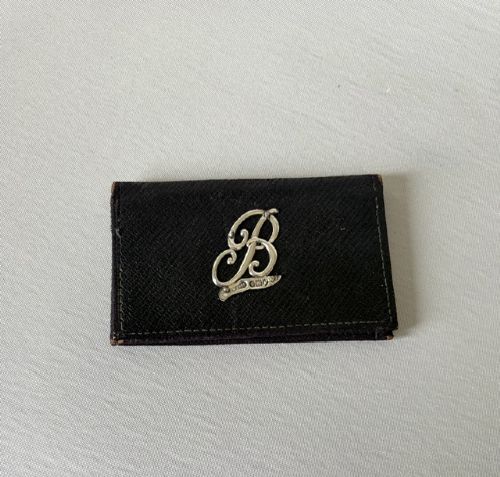
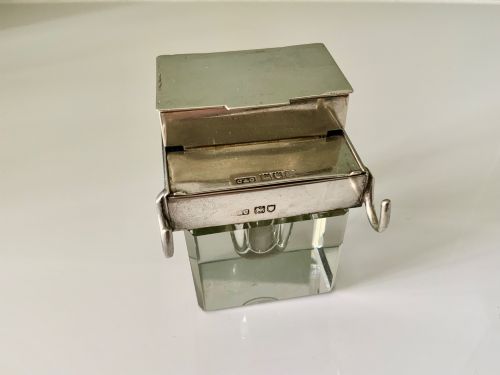
When you search for a victorian desk stamp, you encounter a specialised category of nineteenth century writing accessories designed for functional correspondence and personal seals. The selection ranges from small brass and silver stamp cases and moisteners to heavy iron printers stamps and engraved fob seals.
You are most likely to meet sliding lid stamp boxes, compartmentalised brass holders, and silver dispensers dating from the middle and late nineteenth century. These pieces reflect the vast expansion of postal communication during the Victorian period, when private letters and parcels required dedicated desktop tools.
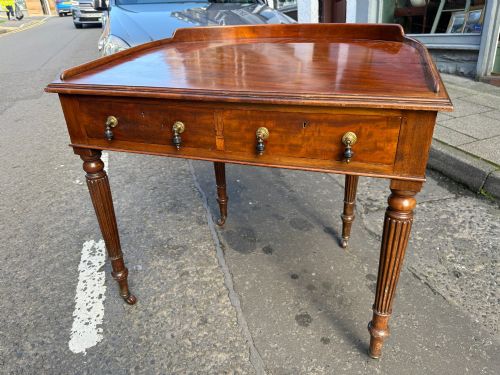
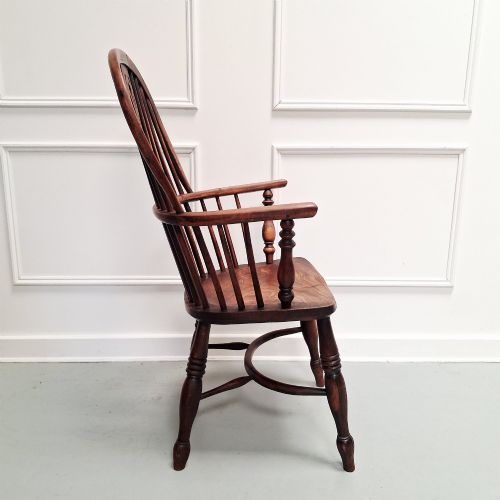
Beyond standalone cases, the evidence shows that cabinet makers also stamped their wooden furniture, so you will occasionally find writing desks and armchairs bearing maker marks alongside the smaller handheld metal objects.
Materials and Construction
Metalworking forms the foundation of these items, utilising cast iron, polished brass, sterling silver, and silver plate for durability and decorative detail. Smiths and silversmiths cast, stamped, and engraved these metals to create working mechanisms like slide-opening boxes and moistening rollers.
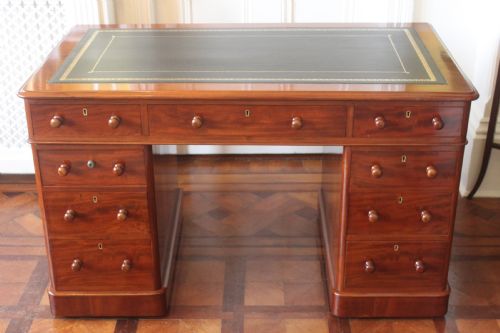
Wood and leather appear frequently in the larger related desk furniture and boxes, employing mahogany, oak, elm, beech, and walnut alongside glazed elements and inlaid surfaces. Makers shaped these organic materials into pedestal desks and armchairs, frequently stamping their firm names directly into the timber.
Victorian Desk Stamp Retail Price Guide 2026
Typical asking prices for victorian desk stamp among the pieces listed under this phrase on Sellingantiques today, from the lower quarter to the upper quarter. They describe what is for sale here now, not the wider market.
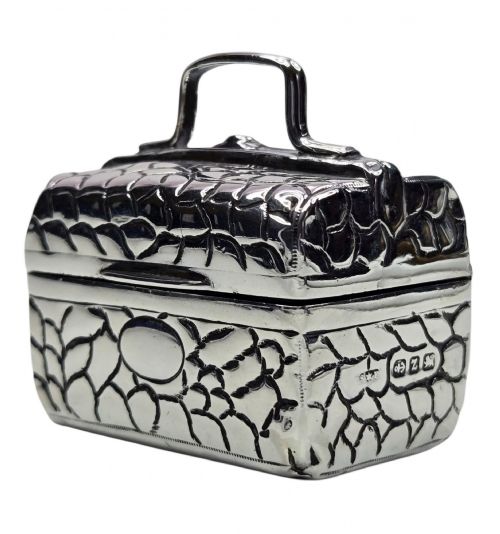
Cats, elephants, and crocodile skin patterns occasionally guard your correspondence.
Quality and Distinction
The distinction between standard utility items and superior pieces rests in the crispness of the casting, the complexity of the mechanism, and the presence of traceable maker marks or hallmarks. Finer metal desk accessories display deep, sharp engraving and smooth sliding joints that function without binding.
Material selection and finish also define the upper tier of the range, where solid sterling silver, chalcedony settings, or opaline glass elevate a simple postal tool into a decorative luxury. In larger furniture forms, quality shows in dense timber selection and clear maker stamps from prominent cabinet makers.
Mc Garys Patent·Jas Shoolbred·Edwards and Roberts·Howard and Sons·James Winter and Sons·Gillows Wellington·W Fry and Co
The Victorian Desk Stamp Glossary
- Fob seal
- A small pendant seal, often featuring an engraved stone like chalcedony, used to impress a personal crest into sealing wax.
- Hallmark
- An official stamp applied to precious metals indicating the standard of silver, the assay office, and the year of testing.
- Kneehole desk
- A writing table featuring a central recess for the legs flanked by pedestals of drawers.
- TartanWare
- Brightly coloured wooden souvenirs featuring painted tartan patterns, popular during the Victorian era for small household boxes.
- Pedestal desk
- A heavy freestanding writing desk constructed with two supporting stacks of drawers.
Victorian Desk Stamp: Frequently Asked Questions
What is a desk stamp used for?
These pieces served practical administrative duties in the nineteenth century office and home. They organised postage stamps, applied moisture to gummed paper, and impressed seals into hot wax.
Smaller silver and brass boxes held stamps securely on the blotter pad while larger iron stamps marked documents directly with ink.
How do I identify a Victorian piece?
Dating relies heavily on style markers, assay office stamps, patent dates, and recorded maker marks. Silver examples often carry clear hallmarks indicating the year of manufacture.
Cabinet pieces and metal accessories frequently bear stamped names or registry numbers that tie them securely to the nineteenth century.
Are these items made of solid silver?
The evidence shows a mix of materials including solid sterling silver, silver plate, brass, and cast iron. Hallmarks on silver items confirm the precious metal content.
Plated items use a base metal core beneath a thin layer of silver, while other desktop tools rely entirely on unplated brass or iron.
How do stamp boxes work?
Victorian stamp boxes feature hinged lids or sliding mechanisms designed to keep paper stamps flat and dry. Multi-section brass boxes separated different denominations of postage.
Specialist dispensers allowed users to slide out a single stamp without sticking the remaining sheet together on humid days.