

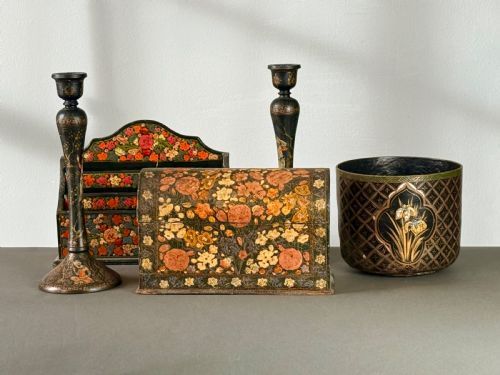
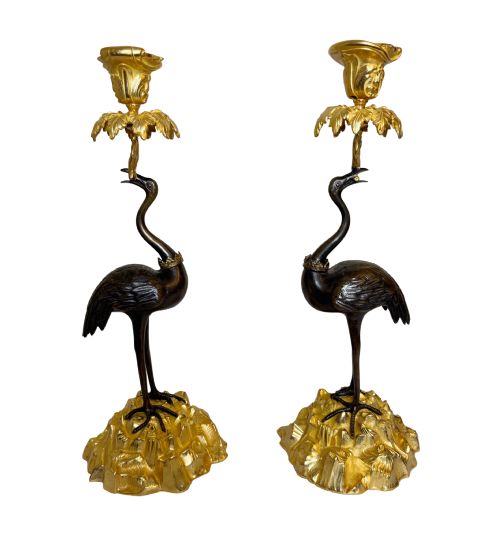
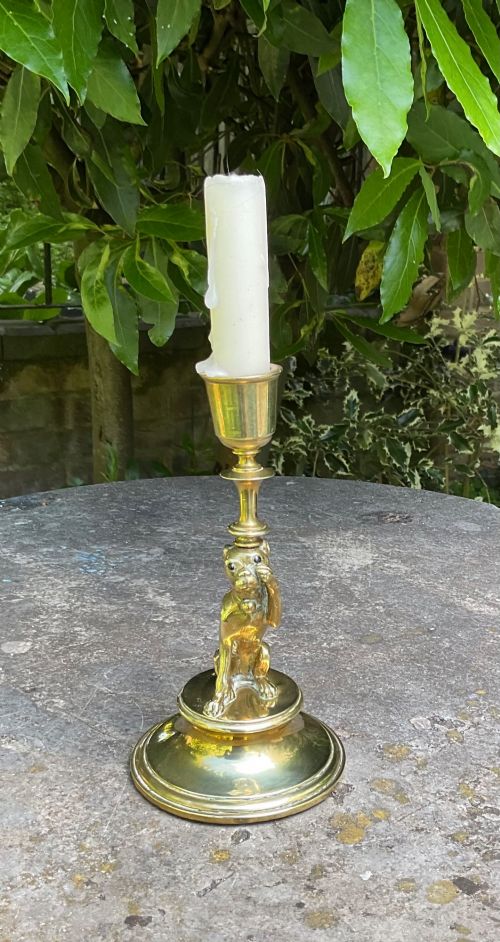
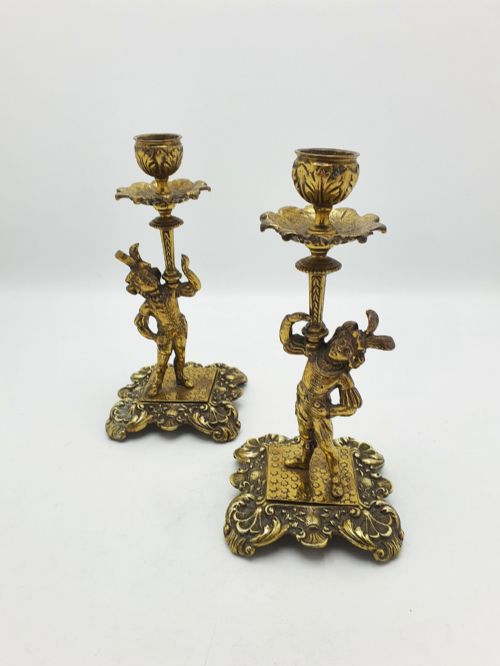


Victorian Decorative Candlesticks
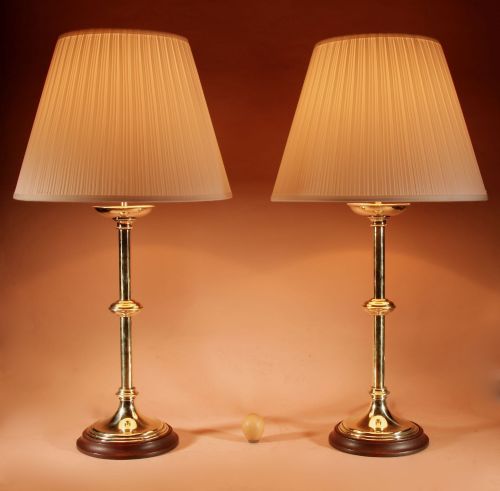
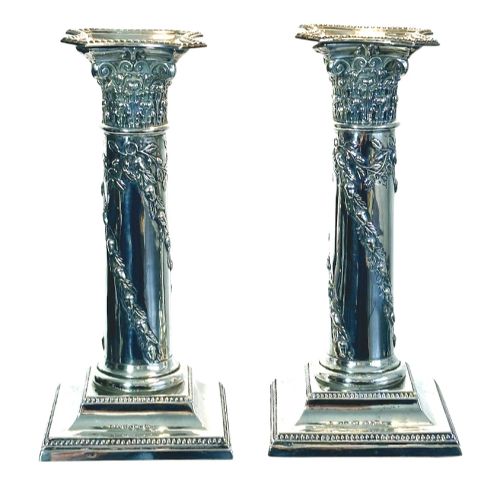
Victorian decorative candlesticks bring heavy brass, gilt bronze and ornate casting into rooms that need a serious focal point.
Victorian Decorative Candlesticks
Victorian decorative candlesticks encompass a range of heavy metal lighting pieces designed to hold taper candles on mantelpieces, desks and tables. You will frequently meet heavy brass and gilt bronze pairs shaped in revivalist styles from the nineteenth century.
The selections span standard candlesticks alongside chambersticks, candelabra and converted candle lamps. Many examples lean into Gothic Revival, Rococo Revival and Aesthetic Movement ornamentation.
Origins stretch across English, French and continental workshops, incorporating materials from cast brass to horn and silver. These lighting accessories served both practical illumination and ornamental display in period rooms.
Materials and construction methods
Makers utilised cast brass, gilt bronze and ormolu, often combining heavy metal casting with applied gilding or enamel details. Individual components were cast separately before being assembled into column, figural or chamberstick forms.
Finishes range from polished surfaces to gilded highlights, sometimes paired with marble bases or inset horn elements. The heavier pieces rely on solid cast construction to support multi-light candelabra branches or tall standards safely.
Victorian Decorative Candlesticks Retail Price Guide 2026
Typical asking prices for victorian decorative candlesticks among the pieces listed under this phrase on Sellingantiques today, from the lower quarter to the upper quarter. They describe what is for sale here now, not the wider market.
Listings feature 19th Century, Victorian, Georgian and 1920s periods, using materials including cast brass, gilt bronze, ormolu, enamel and horn.
Assessing quality and execution
Quality rests on the crispness of the casting and the depth of the chasing on bronze and brass surfaces. Finer examples show sharp relief on figural motifs, animal subjects and architectural Gothic tracery rather than soft or smoothed edges.
The presence of original gilding, complete components and balanced weight distribution separate superior workshop production from standard commercial output. Integrity of construction across joints and sconces dictates the enduring strength of the piece.
Barbedienne·Helena Wolfsohn
The Victorian Decorative Candlesticks Glossary
- Ormolu
- Gilded bronze, where a layer of gold amalgam is applied to a bronze base through heat processing. This technique yields a rich, warm metallic lustre common on French decorative pieces.
- Chamberstick
- A low portable candlestick fitted with a saucer base and a loop handle. They were carried through dark corridors in large houses before the arrival of electric lighting.
- Candelabra
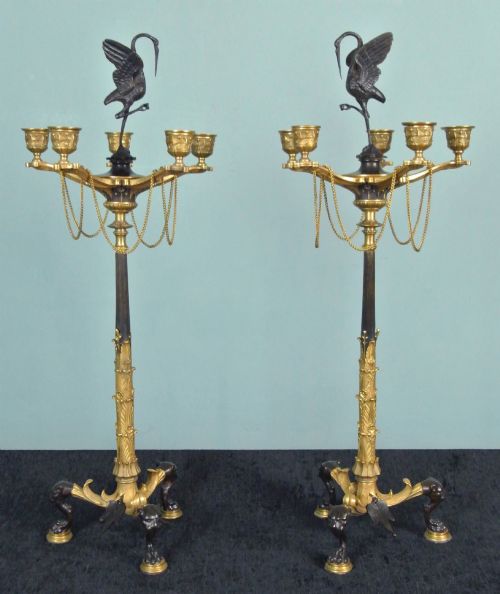
- A branched candlestick designed to hold multiple candles simultaneously. These larger fixtures often occupy the centre of a dining table or a mantelpiece.
- Mantel lustre
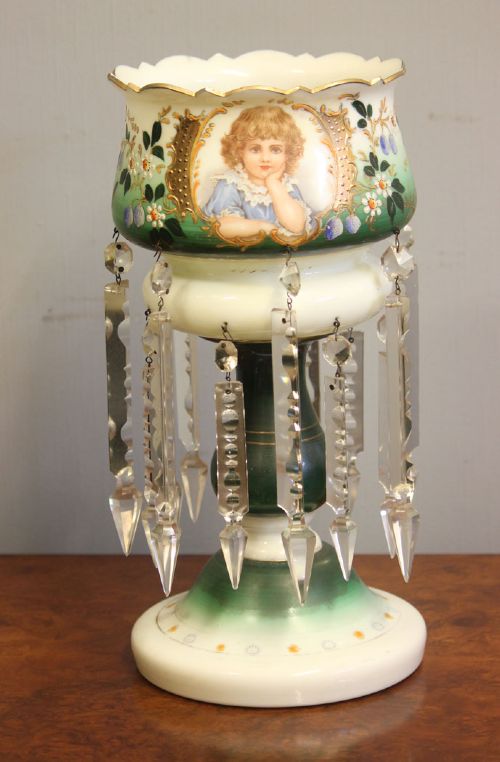
- A decorative tabletop ornament hung with cut glass prisms that refract candle or gas light. They sit typically in pairs on either side of a clock on the mantel.
- Gothic Revival
- An architectural and decorative style drawing on medieval forms, pointed arches and heavy tracery. This aesthetic appears frequently on nineteenth-century ecclesiastical and domestic metalwork.
Victorian Decorative Candlesticks: Frequently Asked Questions
How were chambersticks used?
Chambersticks were carried by hand in the evening to light the way up cold staircases to bedrooms. The wide saucer base caught any stray hot wax drippings before they reached the carpet.
Once inside the bedchamber, they rested on bedside tables until morning. The attached handle allowed safe transport while the candle burned low.
Where should I place mantel lustres?
Mantel lustres sit traditionally at either end of a mantelpiece, often framing a central clock or mirror. Their glass prisms catch and multiply the ambient light in the room.
They function purely as decorative ornaments rather than primary light sources. Keep them away from high-traffic edges where the hanging crystal drops might suffer accidental knocks.
What is the difference between candlesticks and candelabra?
Candlesticks hold a single candle in an upright nozzle mounted on a shaft and base. They offer a concentrated point of light for desks and smaller tables.
Candelabra feature multiple branches springing from a central stem to support several candles at once. They provide a heavier visual presence and broader illumination for grander reception rooms.
How do I date nineteenth-century brass?
Dating relies on examining casting seams, tool marks and the specific stylistic revival vocabulary employed by the maker. Mid-century examples often favour heavy Rococo curves while later decades lean towards Aesthetic Movement or strict Gothic revivalism.
Base wear and patina accumulation also provide clues to age. Look for honest signs of polishing and handling over generations rather than artificial ageing.