


Victorian Dark Mahogany Table
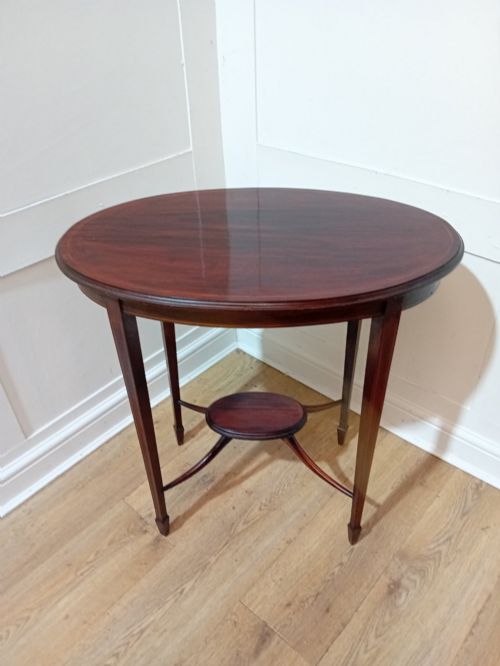
A victorian dark mahogany table brings heavy timber and dark grain into a room, offering sturdy dining and occasional surfaces built to last.
Victorian Dark Mahogany Table
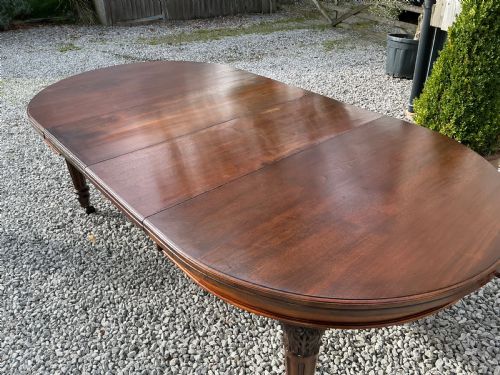
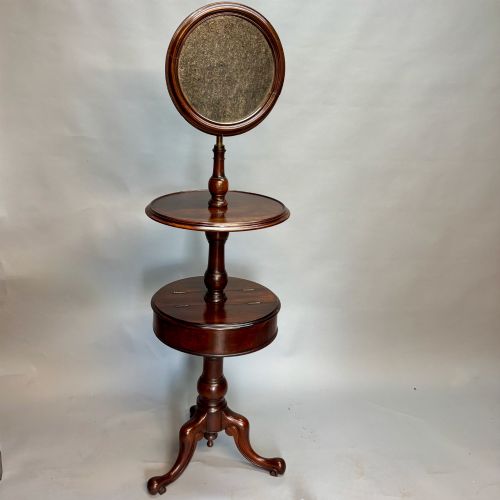
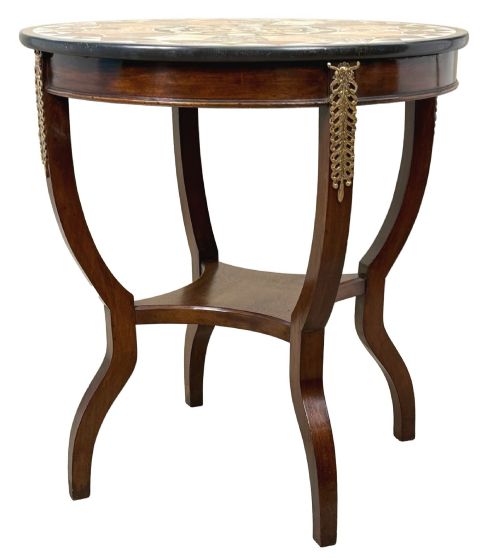
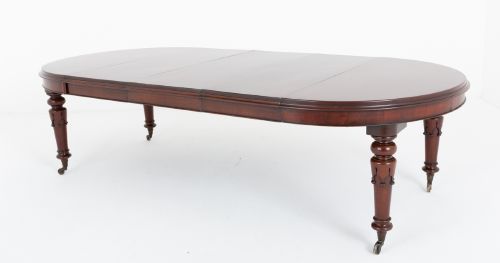
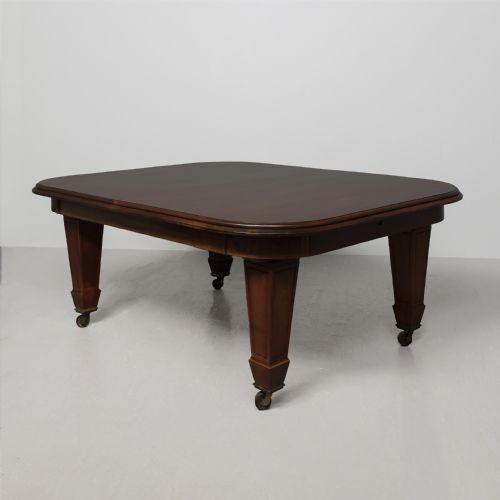
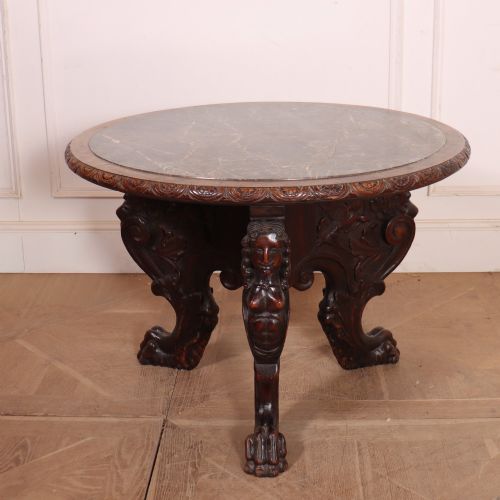
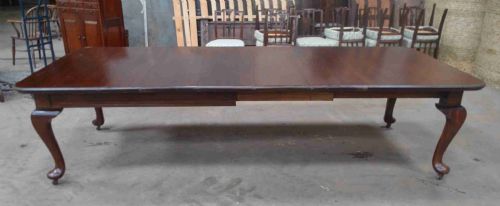
A victorian dark mahogany table encompasses diverse forms ranging from large extending dining tables with multiple leaves to compact lamp tables, wine tables, and side tables. The selection includes items dated across the nineteenth century, featuring styles such as Regency, William IV, and Sheraton Revival alongside standard Victorian work.
Buyers frequently encounter extending dining tables designed for multiple settings as well as smaller occasional tables, demilune console tables, and pedestal writing desks. These pieces originate primarily from the nineteenth century, employing dark timber surfaces suited to formal and domestic interiors alike.
Distinctions in quality and execution
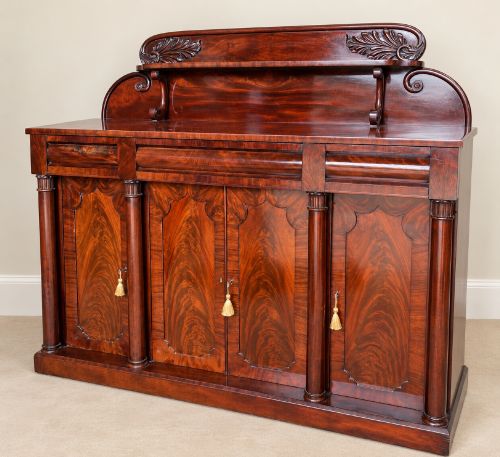
Quality separates ordinary utility pieces from exhibition grade furniture through the selection of timber figures, such as flame mahogany veneer, and the crispness of hand-carved details. Superior examples display refined proportions and matching grain across extending leaves or multi-drawer fronts.
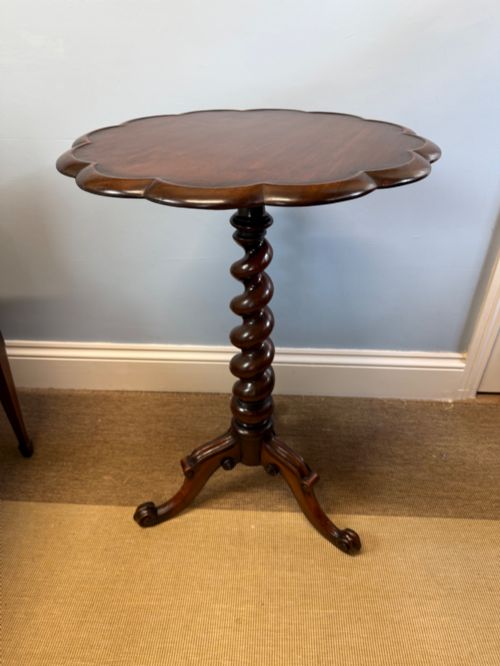
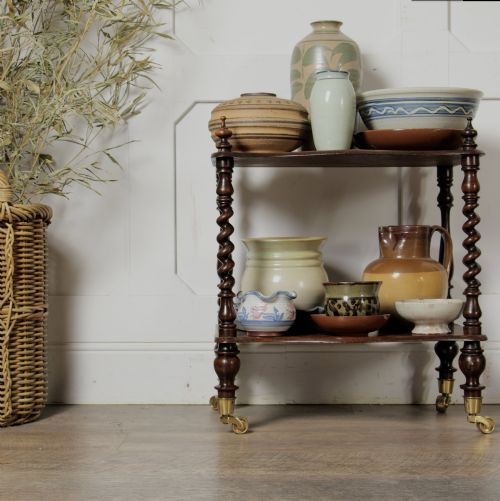
The integration of original components, such as leather writing surfaces, brass handles, and matching table leaves, marks the upper tier of surviving items. Finer pieces demonstrate meticulous joinery in pedestals, tilt mechanisms, and turning work like barley twist uprights.
Listings feature mahogany alongside materials such as brass, leather, glass, and marble across periods spanning the nineteenth and early twentieth centuries.
Trollope & Sons·Brockbanks & Atkins·P & MA Nicholson
The Victorian Dark Mahogany Table Glossary
- Flame mahogany veneer
- A thin slice of wood cut from the fork of a mahogany tree to create a distinctive flickering flame pattern. This decorative veneer appears on prominent surfaces of better tables and desks.
- Demilune
- A half-moon shape used to describe console and side tables designed to sit flush against a wall. These pieces often occur as pairs within nineteenth-century interiors.
- Tilt top table
- A table featuring a mechanism that allows the top to pivot vertically when not in use. This design enabled tables to stand against walls to save space in smaller rooms.
- Pedestal desk
- A flat-topped desk supported by two banks of drawers rather than four separate legs. These substantial pieces frequently feature leather writing inserts and multiple storage drawers.
Victorian Dark Mahogany Table: Frequently Asked Questions
How do I identify a Victorian dining table?
A Victorian dining table typically displays dense mahogany timber, substantial turned or carved pedestals, and often an extending mechanism designed to accommodate multiple leaves.
Construction details such as hand-cut joints and heavy framing distinguish these nineteenth-century pieces from later reproductions.
What is a tilt top table used for?
A tilt top table functions as a versatile occasional surface for lamps, tea, or reading materials during daily use.
The pivoting mechanism allows the top to fold flat against the base so the table can be tucked away against a wall when floor space is needed.
Are these tables suitable for daily dining?
These tables provide robust surfaces constructed from solid mahogany and sturdy frames built to withstand regular family use.
Extending models allow owners to adjust the length for everyday meals or larger gatherings by adding or removing original leaves.
How do I care for a mahogany surface?
Maintenance involves dusting with a soft cloth and occasionally applying traditional beeswax to nourish the dark wood grain without building up heavy chemical residues.
Protecting the surface from direct heat and moisture prevents staining and preserves the original polish on antique timber.