


Victorian Cut Paper Portrait
These Victorian cut paper portrait pieces capture fleeting likenesses through deft hand-cut silhouettes framed in wood and glass.
Victorian Cut Paper Portrait
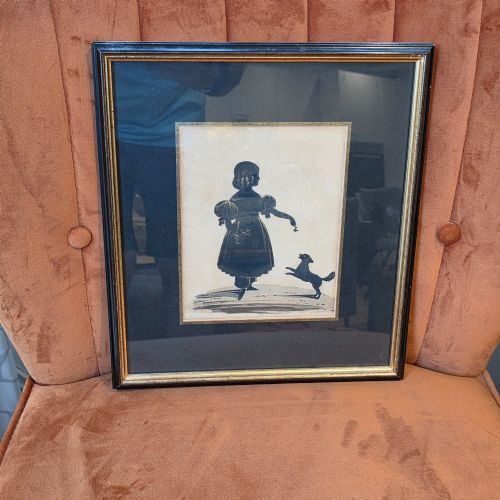
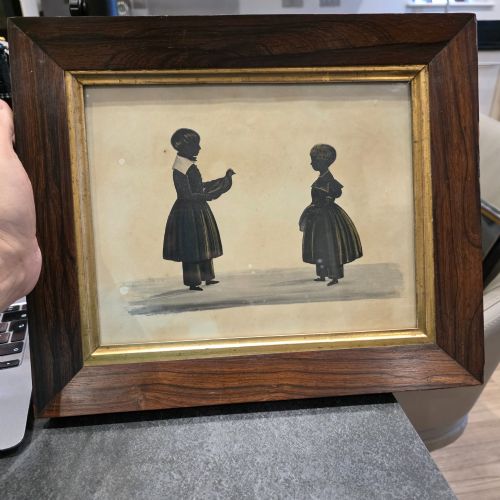
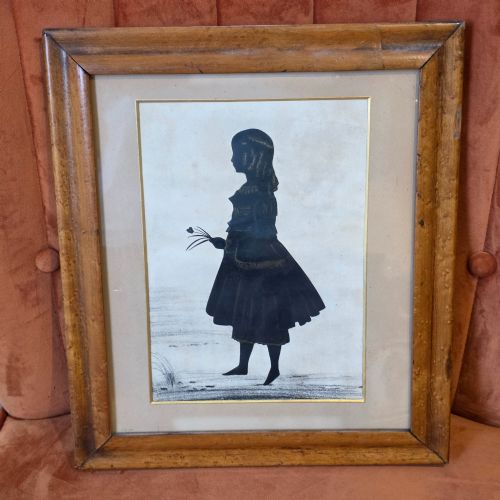
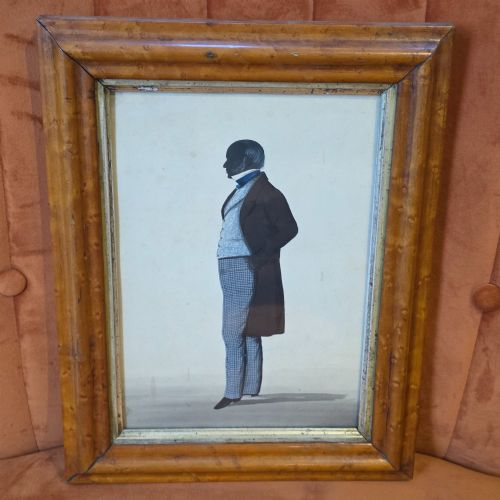
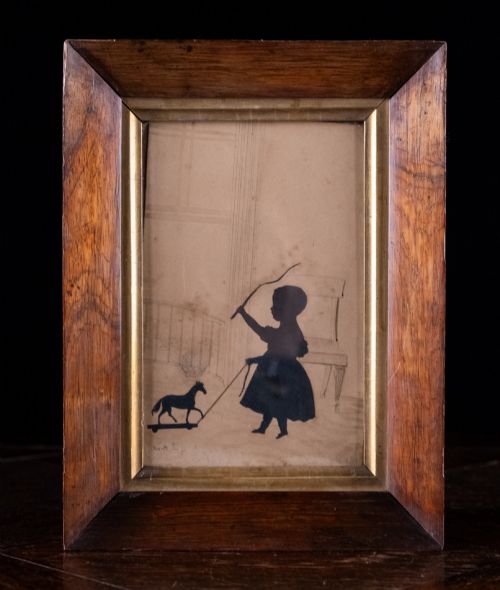
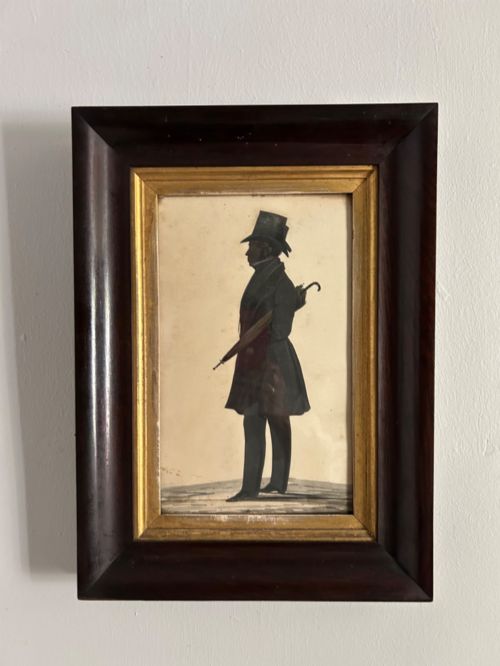
A victorian cut paper portrait is a hand-cut silhouette depicting single figures, children, gentlemen, ladies, or elaborate conversation pieces involving animals and multiple people. These works capture nineteenth-century likenesses through precise paper manipulation, often framed for wall display.
You are most likely to meet nineteenth-century framed silhouette portraits and full-length studies on this page. They originate from periods spanning the Regency era through to the late nineteenth century, frequently presented in rosewood or gilt frames under glass.
How they were made
Makers housed the finished paper portraits within timber frames, often utilising rosewood, and protected the delicate work beneath glass. Some pieces incorporate gold leaf or gilt highlights to accent the monochrome subject matter.
Listings feature works from the nineteenth century, including specific Regency and Victorian periods, executed in paper, ink, watercolour, and rosewood.
What varies in quality
The precision and dexterity of the hand-cutting separate simpler works from master outputs. Clean lines, intricate internal details, and dynamic full-length postures distinguish superior portraits from basic profiles.
The inclusion of watercolour highlights, signed attributions, and original period framing elements elevate the significance of a piece. Conversation pieces featuring multiple figures or animals also demand greater skill than single bust portraits.
William James Hubard·Augustin Edouart·Frederick Frith·Alfred Darbyshire·Skeolan
The Victorian Cut Paper Portrait Glossary
- Silhouette
- A solid monochrome image, typically cast or cut as a profile. In these works, black or dark paper is meticulously trimmed to represent a sitter.
- Conversation piece
- An informal group portrait showing people engaged in a common activity or interaction. These compositions often include children, pets, and detailed domestic settings.
- Full-length
- A portrait format displaying the entire figure of the subject from head to toe. This style allows the artist to depict posture, attire, and accompanying objects like animals or furniture.
- Regency
- An architectural, decorative, and fashion period spanning the early nineteenth century. Works from this era often display specific sartorial details characteristic of the Regency style.
Victorian Cut Paper Portrait: Frequently Asked Questions
How do I hang them?
Display these framed paper portraits away from direct sunlight to prevent the ink and paper from fading over time. Ensure the hanging wall remains free from excessive moisture.
Use secure picture hooks appropriate for the weight of the timber and glass frames. Grouping smaller silhouettes together creates a traditional gallery arrangement.
Are these works signed?
Some pieces bear signatures, studio stamps, or inscriptions from known artists and galleries active in the nineteenth century. Attributions often rely on distinctive cutting techniques and historical documentation.
Unsigned works frequently represent competent output from British school practitioners or regional galleries. Documentation or family provenance sometimes accompanies these unsigned portraits.
What frames are original?
Nineteenth-century pieces typically utilise dark wood frames, such as rosewood, often fitted with gilt brass slips or bezels. These original housings show age-appropriate wear to the timber and finish.
Later replacements use modern mouldings lacking the patination and construction methods of the period. Examining the backing paper and fixings helps determine frame longevity.