


Victorian Cut Crystal Jar
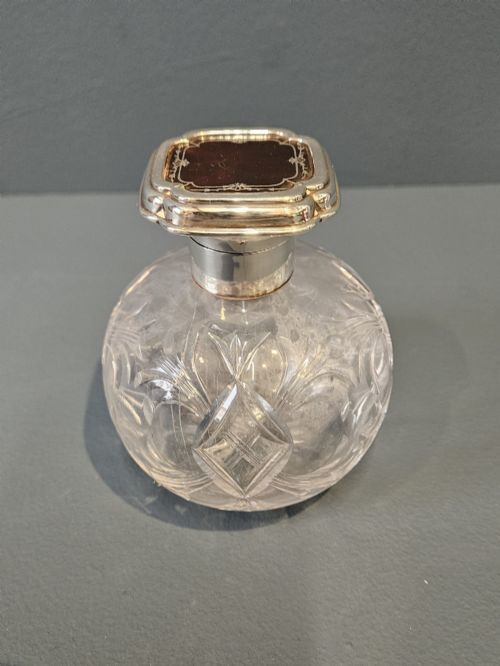
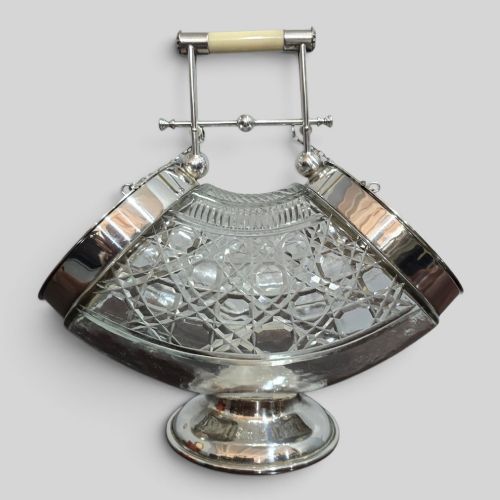
These Victorian cut crystal jar examples combine heavy lead glass with sterling silver and plate, offering both utility and sparkle for the dressing table or sideboard.
Victorian Cut Crystal Jar
A victorian cut crystal jar serves many domestic purposes, appearing frequently as biscuit barrels, trinket boxes, vanity jars, and scent bottles across nineteenth-century and early twentieth-century homes.
The pieces on this page span the Victorian and Edwardian eras, with occasional entries stretching into the nineteen-thirties alongside nineteenth-century precursors.
Materials and construction
Maker operations combined heavy lead crystal and cut glass bodies with fitted mounts of sterling silver, silver plate, Dutch silver, or tortoiseshell.
Craftsmen shaped the glass vessels through hand-blowing before cutting deep geometric patterns such as hobnail and diamond motifs into the material.
Metal components, including lids, collars, and heraldic dragon finials, were secured to the glass rims, often bearing hallmarked evidence of silversmithing.
Listings include items featuring tortoiseshell, Dutch silver, and sterling silver alongside lead crystal and cut glass bodies.
Assessing quality
Quality rests in the crispness of the glass cutting and the weight of the crystal body, where deeper facets capture light more cleanly than shallow work.
The standard of metalwork also distinguishes pieces, with heavy solid sterling silver mounts and named maker hallmarked elements marking out finer examples against standard silver-plated alternatives.
Walker and Hall·James Dixon and Sons
The Victorian Cut Crystal Jar Glossary
- Lead crystal
- A high-clarity glass containing metal oxides that increases refractive index and weight. This composition allows for deeper, sharper facet cutting.
- Hobnail cut
- A raised, pyramidal facet pattern covering the glass surface. It creates a tactile texture that reflects light in multiple directions.
- Biscuit barrel
- A covered ceramic or glass vessel designed to store dry biscuits on the dining table. They typically feature hinged metal lids and swing handles.
- Sweetmeat jar
- A covered vessel historically used for preserves, sweets, or candies. These pieces frequently sit on short pedestals with matching fitted lids.
- Hallmark
- An official stamp applied to precious metals indicating purity and origin. These marks help date the silver mounts attached to glass bodies.
Victorian Cut Crystal Jar: Frequently Asked Questions
What were victorian cut crystal jars used for?
These jars served multiple household functions, ranging from dressing table vanity storage for cosmetics and perfume to dining room service for biscuits and sweets.
Heavier lidded containers held preserves or dry goods, while smaller scent bottles and trinket boxes sat upon bedroom surfaces for daily personal use.
How do I clean a silver mounted jar?
Clean the glass body using warm soapy water and a soft brush to clear dust from the cut facets without scratching the surface.
Keep silver polish away from the glass when treating the metal mounts, using a cloth to maintain the sterling silver or plate separately.
How do I date a cut crystal jar?
Examine the metal mounts for hallmarks that reveal the specific year and silversmith associated with the piece.
Stylistic cues in the glass cutting, such as deep nineteenth-century hobnail patterns or Edwardian proportions, also help narrow down the period of manufacture.
Are these jars safe for food use?
Many of these containers, particularly biscuit barrels and preserve pots, were originally designed to hold consumables in domestic settings.
Historic lead crystal and older silver plate require careful inspection and hand washing before any modern culinary use is attempted.