


Victorian Curb Link Bracelet
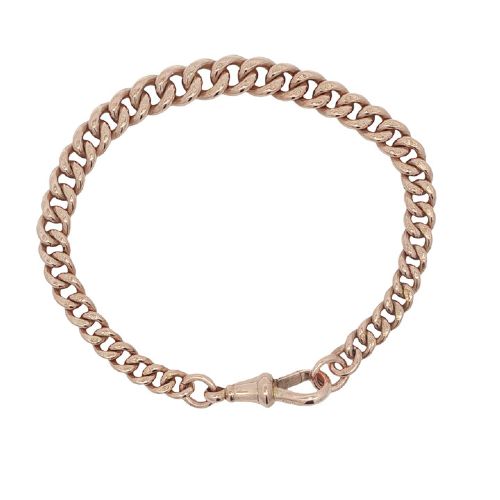
A victorian curb link bracelet is a substantial arm ornament of interlocking gold links, prized for its tactile weight and secure fastening.
Victorian Curb Link Bracelet
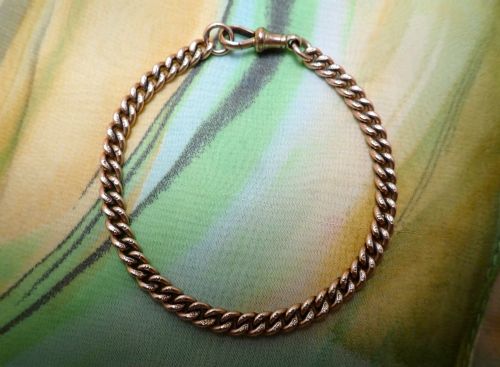
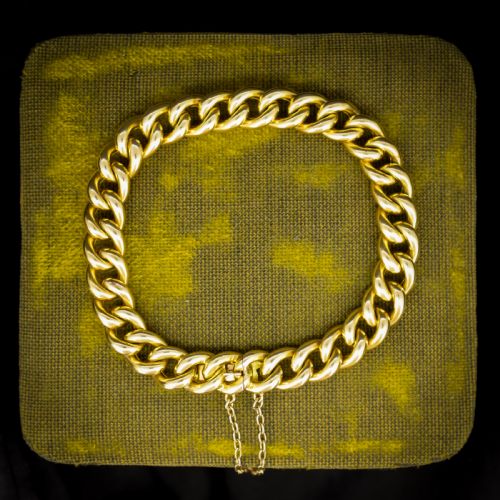
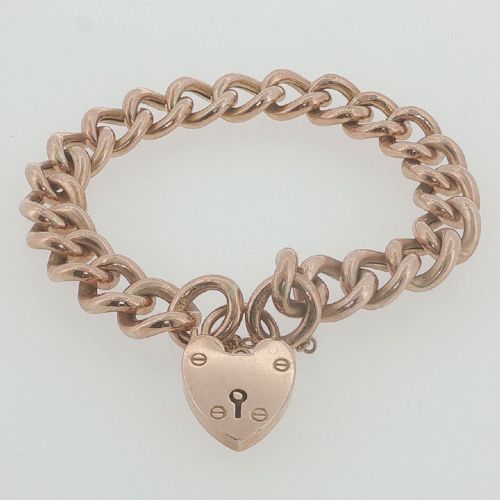
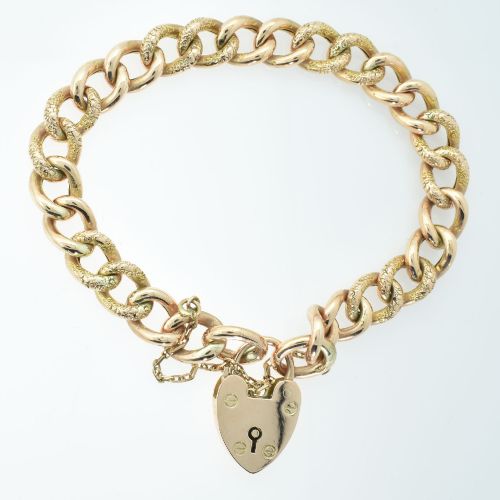
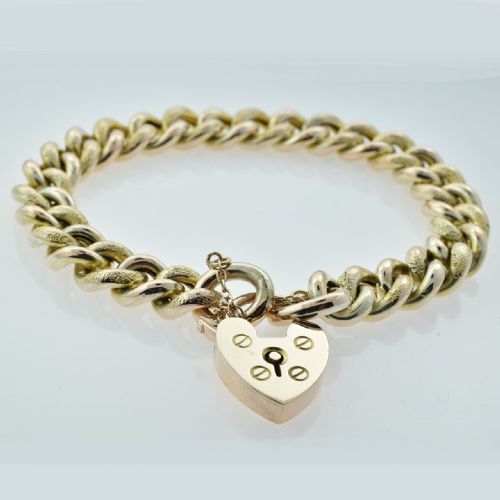
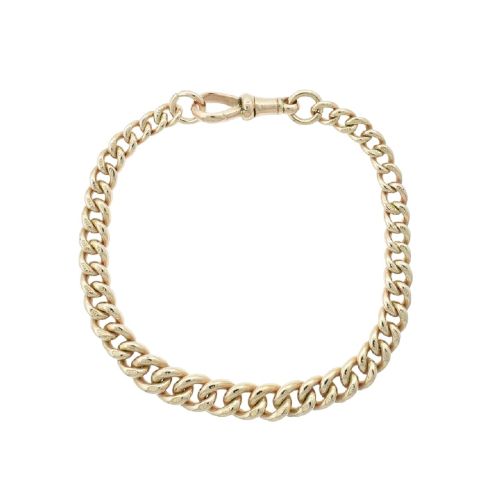
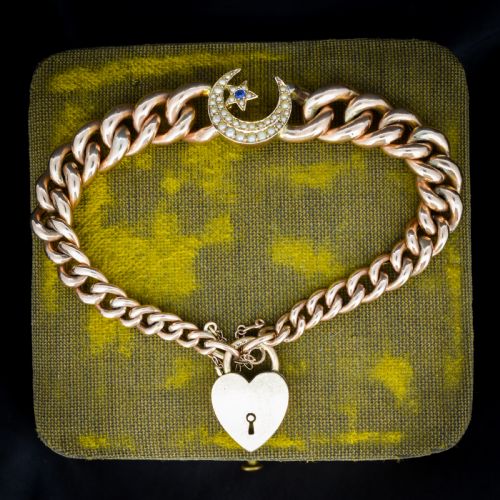
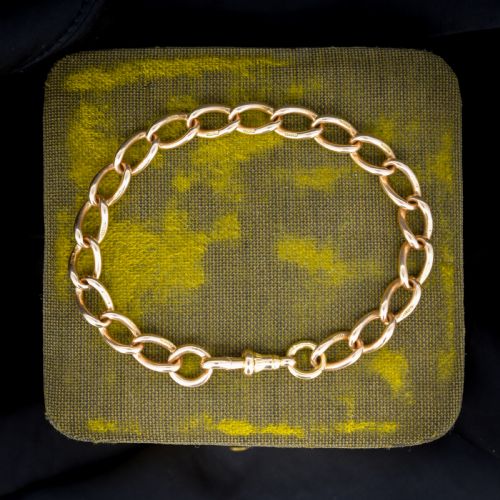
When you search for a victorian curb link bracelet, you encounter substantial chains forged in rose gold, yellow gold, and higher gold purities. These pieces often incorporate decorative clasps like heart padlocks, dog clips, or concealed fasteners.
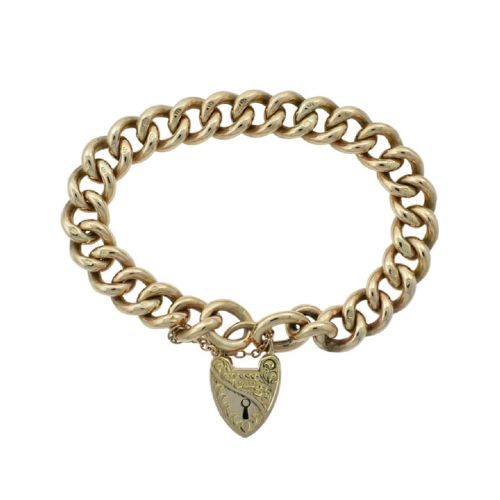
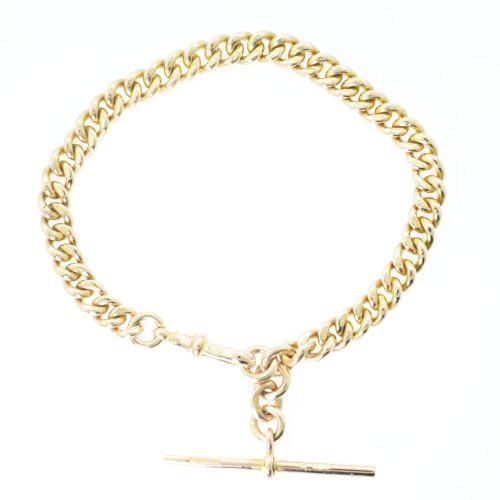
The version you meet most frequently on this page dates from the late nineteenth century through to the Edwardian period. Many examples display half engraving upon the links or include supplementary elements such as a T-bar and safety chain.
Beyond standard chains, certain variants integrate gemstones including turquoise, pearls, seed pearls, rubies, garnets, and sapphires. Occasionally, they form part of a matched jewellery set alongside a brooch.
How they were made
Goldsmiths constructed these bracelets using various gold purities, predominantly nine carat, fifteen carat, and eighteen carat gold, alongside rolled gold variants. The links were shaped into uniform or graduated curves and joined to form flexible chains.
Surface ornamentation involved hand engraving, frequently applied to half of each link in a repeating pattern. Gemstones such as turquoise and pearls were set into decorative motifs like lovers' knots and heart padlocks.
Listings feature nine carat rose gold, fifteen carat gold, and eighteen carat yellow gold, alongside turquoise and pearl gemstone accents.
What varies in quality
The distinction between tiers rests upon the choice of metal and the mass of the piece. Heavier examples with higher gold carat ratings demonstrate greater substance than lighter nine carat or rolled gold alternatives.
Workmanship also separates examples, seen in the crispness of hand engraving and the complexity of integrated elements like heart padlocks, safety chains, and gemstone clusters.
The Victorian Curb Link Bracelet Glossary
- Curb link
- A type of chain made from flattened, interlocking links that lie flat against the wrist. This design provides both flexibility and notable weight.
- Heart padlock
- A heart-shaped clasp commonly utilised on nineteenth-century bracelets to secure the chain. It functions as both a functional closure and a decorative centrepiece.
- T-bar
- A short metal bar attached to a chain by a short length, originally designed for pocket watches on Albert chains. On these bracelets, it serves an ornamental purpose.
- Dog clip
- A spring-loaded swivel fastening used to attach pendants or secure the bracelet ends. It allows the wearer to easily fasten the piece.
- Graduated
- Describing a chain where the links increase in size toward the centre. This proportioning creates a balanced visual weight along the wrist.
- Lovers knot
- A decorative knot motif formed in metal or wirework, symbolising attachment. It frequently appears alongside gemstone settings on period bracelets.
Victorian Curb Link Bracelet: Frequently Asked Questions
What is a curb link bracelet?
A curb link bracelet consists of interlocking metal links that have been twisted and flattened to lie smoothly against the skin. These pieces derive their character from the substantial weight of the gold and the fluid movement of the chain.
In period examples, the links are frequently paired with specialised clasps, decorative engravings, or gemstone clusters that define their nineteenth-century origin.
How do you open a heart padlock clasp?
The heart padlock functions by pressing a small internal spring mechanism or side lever to release the hinged arm. Once depressed, the arm pivots open to allow removal from the jump ring.
Collectors should handle these clasps with care to preserve the original spring tension and ensure the secure closure remains intact.
What is an Albert bracelet?
An Albert bracelet is a style adapted from the pocket watch chains worn during the Victorian era, typically featuring a T-bar and a dog clip. These pieces carry the distinct proportions and heavy links associated with utility chains of the period.
They are worn wrapped around the wrist, displaying the T-bar as a prominent decorative element among the graduated links.
How do I know the gold purity?
Gold purity is determined by hallmarks stamped onto the metal, indicating measurements such as nine carat, fifteen carat, or eighteen carat gold. These small stamps often appear near the clasp or on the end links of the chain.
Unmarked pieces rely on professional testing methods to verify the precise gold content and establish the manufacturing standard.
Can I wear these bracelets daily?
These bracelets suit regular wear provided they are handled with appropriate care for their age and construction. The solid gold links offer durability, though gemstone-set components and pearls require protection from knocks.
Checking the security of the safety chain and the tension of the padlock clasp ensures the bracelet remains safely fastened during use.