




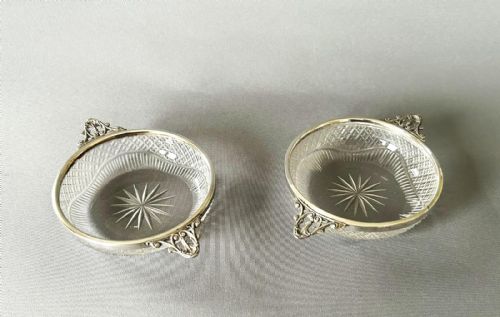


Victorian Crystal Dish
A victorian crystal dish brings brilliant sparkle and tactile weight to a table, uniting utilitarian design with elaborate nineteenth-century craftsmanship.
Victorian Crystal Dish
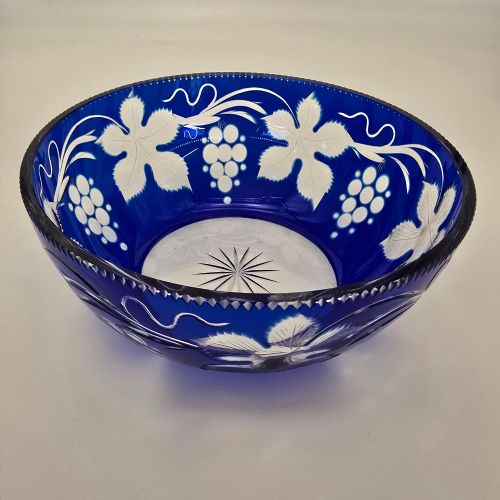
A victorian crystal dish encompasses a wide variety of serving vessels, decorative bowls, finger bowls, and tazzas dating from the mid-nineteenth century through to the Edwardian period. The selections available typically present themselves as pressed, moulded, or free-blown glass forms originating from English, French, and Bohemian workshops.
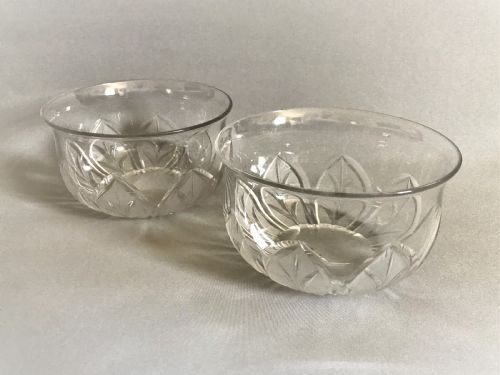
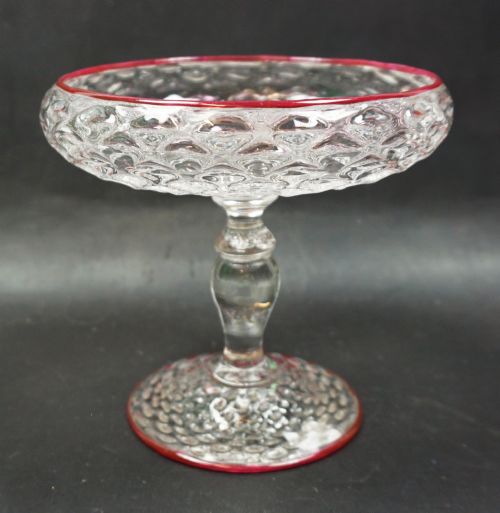
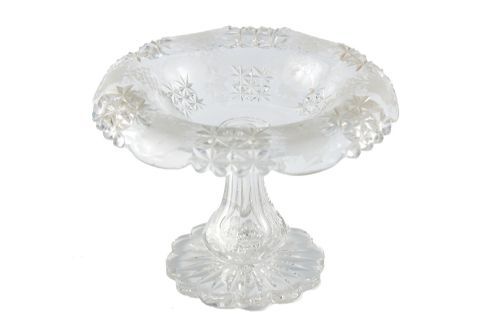
Buyers will encounter utilitarian forms alongside ornate centrepieces and trinket boxes, frequently mounted in silver, silver plate, or gilt bronze. Pieces range from simple honey-combed finger bowls to elaborate tazzas and sweetmeat jars decorated with red cane or etched patterns.
Judging the manufacture
Quality in a victorian crystal dish rests upon the crispness of the cutting and the clarity of the metal, where sharper facets and higher lead content yield greater brilliance and weight. Superior pieces display smooth, meticulously polished facets without surface ripples or moulding seams in the primary display areas.
The integration of metal mounts also dictates standard, with cast bronze, ormolu, or solid silver mountings fitting snugly against the glass contours. The thickness of the glass, the depth of the wheel-cut motifs, and the precision of etched designs such as the Greek key pattern further separate standard utility wares from exhibition pieces.
Victorian Crystal Dish Retail Price Guide 2026
Typical asking prices for victorian crystal dish among the pieces listed under this phrase on Sellingantiques today, from the lower quarter to the upper quarter. They describe what is for sale here now, not the wider market.
Listings feature items spanning the Victorian, Edwardian, and nineteenth-century periods, incorporating cut glass, lead crystal, silver, and ormolu.
François-Eugène Rousseau·Baccarat
The Victorian Crystal Dish Glossary
- Tazza
- A shallow bowl or dish raised on a standard and foot, frequently utilised for serving fruit or sweets.
- Lead crystal
- A type of glass containing lead oxide that increases refractive index, weight, and workability for deep cutting.
- Sweetmeat jar
- A covered container designed specifically for holding small confectionery, sweetmeats, or sugar preserves.
- Finger bowl
- A small, round bowl filled with water, placed at the table for guests to rinse their fingers between courses.
- Ormolu
- Gilded bronze, applied as a decorative mount or stand on nineteenth-century decorative vessels.
Victorian Crystal Dish: Frequently Asked Questions
How were these dishes used originally?
These glass vessels served practical dining functions on nineteenth-century tables, holding finger water, sweetmeats, fruit, or small condiments during formal meals.
Secondary forms like trinket boxes and sweet dishes were kept on dressing tables or sideboards for personal items and confections.
How do I care for antique glass?
Wash pieces gently by hand using lukewarm water and mild detergent, avoiding harsh scrubbers that can scratch soft lead glass or damage silver mounts.
Dry them immediately with a lint-free cloth to prevent water spots and preserve the brilliance of the cut facets.
How can I tell the period?
Dating relies on stylistic clues, manufacturing techniques, and the presence of registration marks or metal hallmarks on accompanying silver and bronze mounts.
Victorian pieces often combine heavy cut crystal with dense geometric patterns or aesthetic movement motifs, while later Edwardian items lean towards lighter forms.
Can I use them for serving food?
Most pieces remain fully functional for serving dry foods, fruits, or confections at the modern table.
Care should be taken with items containing lead crystal or silver plate to avoid acidic foods that might stain or react with the metal components.