



Victorian Crystal Bowl
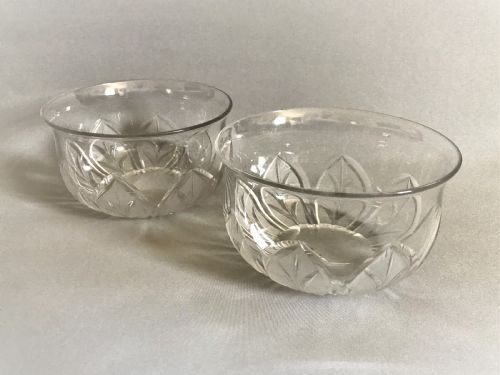
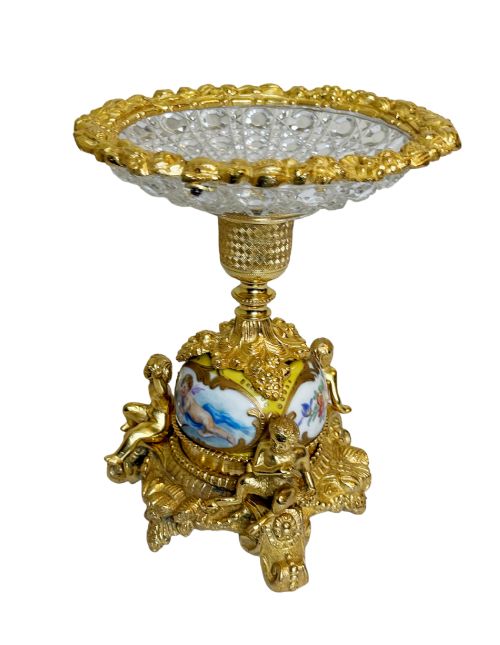
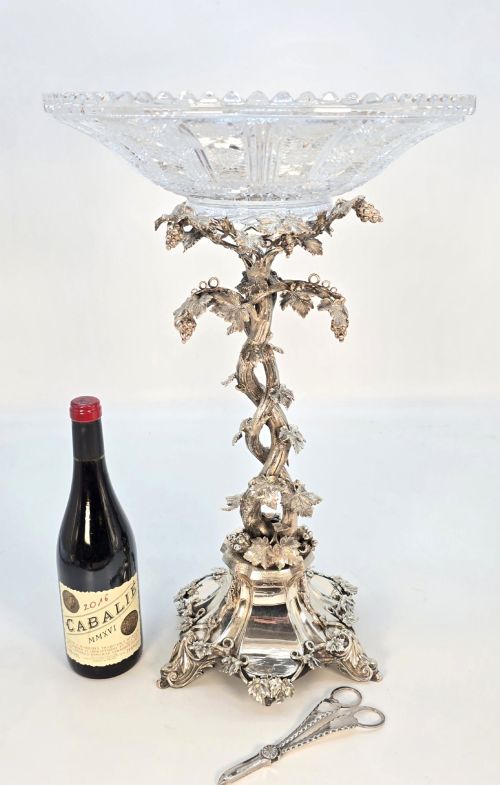
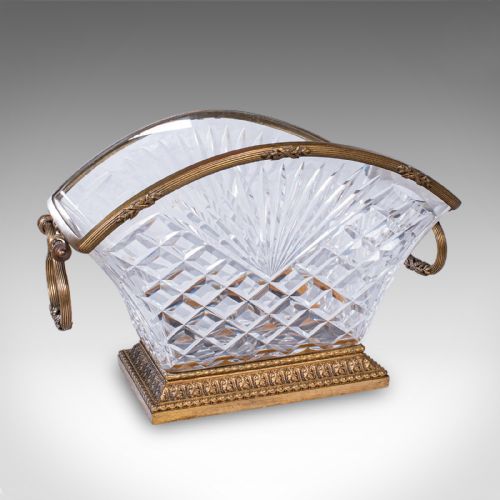
These pieces of a victorian crystal bowl combine heavy cut glass and silver plate for formal dining.
Victorian Crystal Bowl
A victorian crystal bowl serves as a table centrepiece, fruit dish, or finger bowl from the nineteenth century.
English and Bohemian workshops dominate the selection, alongside French productions in various revivals.
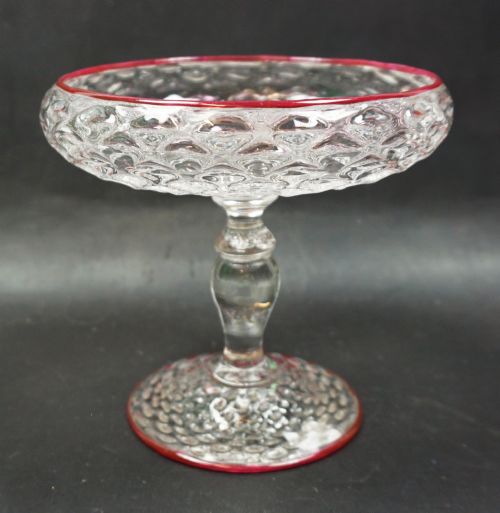
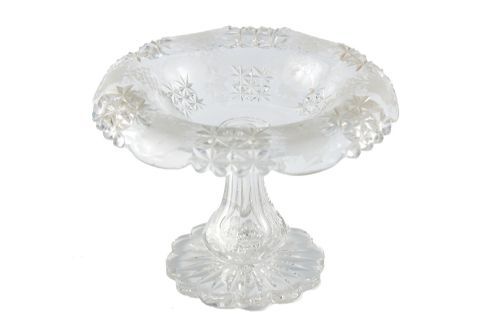
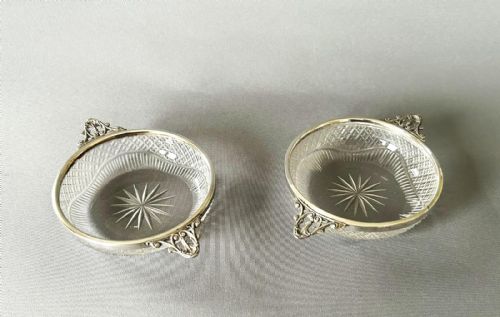
The objects range from simple moulded glass rinsers to elaborate pedestal comports and epergnes mounted in metal.
Materials and Technique
Heavy lead crystal and clear glass receive deep wheel cutting, geometric engraving, and honeycomb moulding.
Metal mounts in silver plate, ormolu, gilt bronze, and carved wood support the glass vessels.
Bohemian and English glassworks supply the majority of the decorative bowls and comports.
Judging Quality
Depth and crispness of the glass cutting separate routine domestic wares from ambitious exhibition pieces.
The weight of the lead crystal and the integration of metal mounts determine the standing of the work.
Stuart for Liberty·François-Eugène Rousseau·Baccarat
The Victorian Crystal Bowl Glossary
- Tazza
- A shallow bowl raised on a stem and foot. It functions as a pedestal dish for fruit or sweetmeats.
- Finger Bowl
- A small bowl used at the dining table for rinsing the fingers between courses. They often match in sets of four or more.
- Lead Crystal
- Heavy glass containing lead oxide that increases brilliance and refractive index. It allows for deeper and sharper wheel cutting.
- Silver Plate
- A base metal coated with a thin layer of silver. It provides structural support for heavy glass centrepieces.
- Comport
- A pedestal bowl used for serving fruit or confections at dessert. The form elevates the presentation above the table surface.
Victorian Crystal Bowl: Frequently Asked Questions
What are these bowls used for?
These vessels serve as table centrepieces, fruit comports, or finger bowls for formal dining.
Larger pedestal examples sit in the middle of a table, while smaller bowls accompany dessert services.
How do I identify a Victorian piece?
Characteristics include deep wheel cutting, lead crystal weight, and stylistic traits like frosted glass or engraved Greek key motifs.
Metal mounts utilising silver plate or ormolu frequently point to nineteenth-century production dates.
Can I use them for food?
Most of these antique glass pieces hold dry foods, fruit, or sweets safely for modern use.
Pieces with silver plate mounts require hand washing to protect the metal surfaces.
Where were they made?
English, Bohemian, and French factories produced the majority of these cut glass and crystal objects.
Regional styles range from English domestic tableware to elaborate continental centrepieces.