

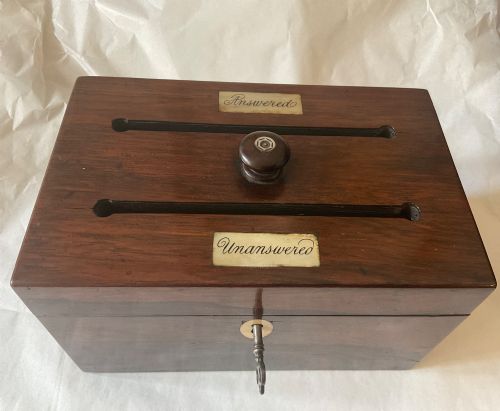



Victorian Country House Box
A victorian country house box brings utilitarian service into the domestic interior, offering solid timber construction built for sorting post, keeping spirits or holding household records.
Victorian Country House Box
A victorian country house box encompasses functional containers made for large estates, manor houses and substantial provincial residences during the nineteenth century. These pieces serve specific domestic duties, appearing frequently as letter boxes, postal boxes, deed boxes and storage trunks designed to handle the daily administration of a busy household.
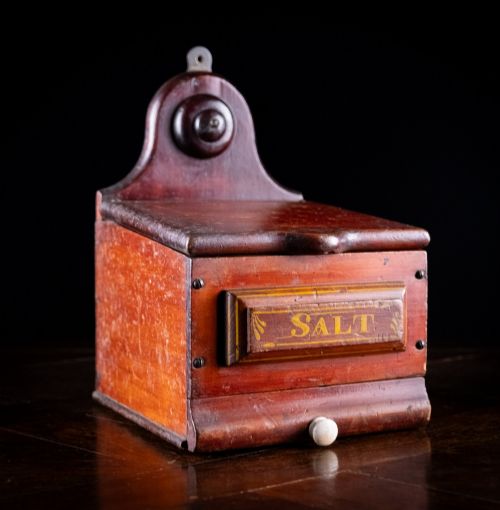
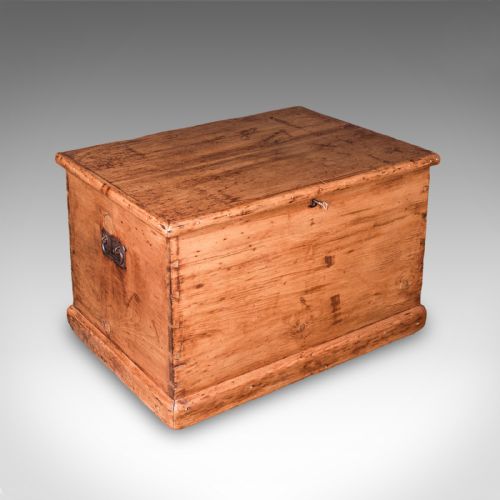
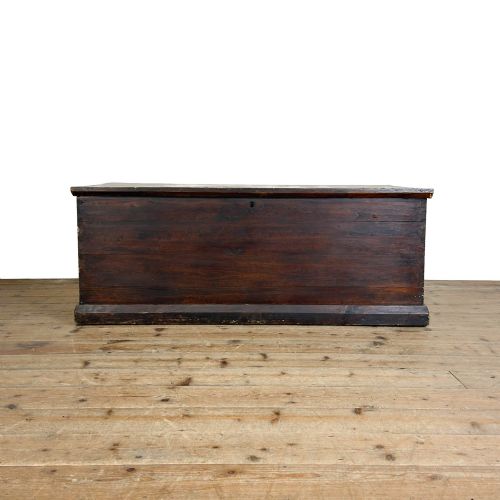
The pieces on this page lean heavily toward utilitarian oak, pine and mahogany forms intended for heavy daily use in hallways, studies and service quarters. Alongside wall-hung post boxes and desk accessories, large blanket chests and storage ottomans represent the heavier side of domestic country house storage.
Materials and Construction
Cabinet makers utilise sturdy native and imported timbers such as oak, pine, mahogany and elm, often joining them with robust dovetails to withstand generations of service. Metal fittings play a crucial role in daily operation, with heavy brass hinges, campaign handles, locks and iron banding reinforcing the wooden carcasses against wear.
Surface finishes vary from polished mahogany and golden oak to painted pine and toleware, reflecting whether a box sat in the family parlour or the service corridors below stairs. Interior compartments, baize linings and glazed letter slots are integrated directly into the wooden framework to organise correspondence and valuables.
Victorian Country House Box Retail Price Guide 2026
Typical asking prices for victorian country house box among the pieces listed under this phrase on Sellingantiques today, from the lower quarter to the upper quarter. They describe what is for sale here now, not the wider market.
Listings feature nineteenth-century oak, pine, mahogany and elm pieces ranging from small wall post boxes to large blanket chests.
Craftsmanship and Proportion
Quality reveals itself in the selection of timber and the precision of the joinery, where tight dovetails and properly fitted internal partitions separate standard utility items from finer estate commissions. The weight and finish of the brass hardware, from functioning letter flaps to working locks with original keys, indicate the status and original placement of the piece within the house.
Proportion and structural integrity dictate the standing of a piece, distinguishing robust daily workhorses from decorative accessories intended for display. Original painted surfaces or patinated bare wood retain historical character, whereas heavy alterations or mismatched replacement hardware diminish the integrity of the object.
Hallett & Sons
The Victorian Country House Box Glossary
- Letter Box
- A container fitted with a slot and internal compartment to receive incoming mail. These range from small wall-hung oak boxes to substantial freestanding hotel models.
- Deed Box
- A secure wooden trunk utilised for storing legal documents, land indentures and family papers. They typically feature robust iron locks and reinforced corners.
- Toleware
- Enamelled and painted sheet metal used for utilitarian kitchen and household buckets. This material withstands damp environments better than untreated iron.
- Kist
- A traditional regional term for a large wooden storage chest or trunk. They provide deep cavity space for blankets, textiles and household goods.
- Staghorn
- Antler material utilised for small decorative items such as snuff boxes. It showcases natural organic texture and distinctive patterning.
Victorian Country House Box: Frequently Asked Questions
What were country house letter boxes used for?
These boxes collected incoming mail and daily correspondence for distribution throughout large domestic estates. Servants cleared the contents and sorted letters for the family and guests.
They stood on hall tables or hung on walls near the main entrance, keeping administrative paperwork organised in busy households.
How do I identify a postal box period?
Dating relies on timber selection, construction methods and hardware styles characteristic of the nineteenth century. Oak and mahogany items with brass mounts typically date from the middle to late victorian era.
Simpler pine and iron-banded pieces often reflect utilitarian service requirements spanning from eighteen-fifty through nineteen-hundred.
Where should I place a storage chest?
Large pine kists and blanket boxes suit bedrooms and hallways as functional storage for textiles and linens. Their flat tops also allow them to function as casual benches or occasional surfaces.
Smaller deed and correspondence boxes fit comfortably on desks, sideboards or console tables in studies and living spaces.
Are original locks and keys common?
Many boxes retain their original brass or iron locks, though working keys are scarcer due to centuries of displacement. Stamped brass manufacturer plates sometimes accompany these functional locking mechanisms.
When present, matching brass hardware adds to the historical integrity of the piece without altering its utilitarian purpose.