


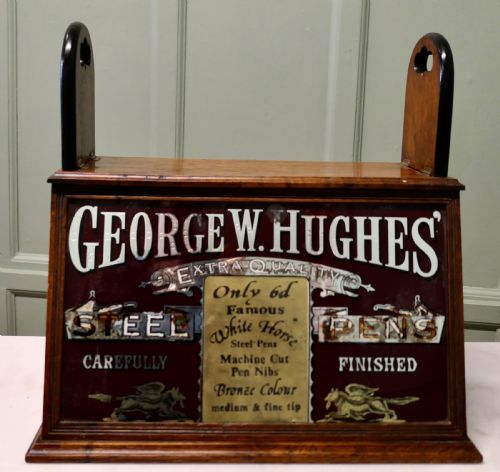


Victorian Counter Showcase
These Victorian counter showcase pieces organise trade and draw the eye across timber frames and glass panes.
Victorian Counter Showcase
A Victorian counter showcase serves as a retail display unit designed to sit upon shop counters and hold small wares for customers to view. These pieces include shop display pen cabinets, tea cabinets, and stationers cupboards intended for commercial interiors.
The versions met on this page span the Victorian and Edwardian periods, stretching from the mid-nineteenth century into the early twentieth century. Common forms incorporate glazed display cabinets, mirrored interiors, and countertop shop fitting units.
Makers shaped these display cases in styles such as Victorian Commercial, Edwardian Commercial, Neoclassical Revival, Maritime Industrial, and Anglo-Indian. Materials range from mahogany and oak to cedar, hardwood, brass, and gold leaf.
How these pieces were constructed
Craftsmen built these display units using timber frames of mahogany, oak, cedar, and assorted hardwoods to ensure structural strength on busy shop counters. Glazed panels and glass panes were fitted into the woodwork to protect merchandise while maintaining visibility.
Makers added brass hardware, locks, and mirror glass interiors to reflect light through the display space. Some examples received gold leaf decoration or later sign written lettering for commercial brands.
Victorian Counter Showcase Retail Price Guide 2026
Typical asking prices for victorian counter showcase among the pieces listed under this phrase on Sellingantiques today, from the lower quarter to the upper quarter. They describe what is for sale here now, not the wider market.
Materials recorded across these display pieces include mahogany, oak, cedar, brass, glass, and gold leaf.
What separates standard examples from the finest
The degree of refinement in the timber framing and the selection of cabinet woods distinguish individual pieces. Dense hardwoods like mahogany and figured oak show greater joinery skill than plain utility timber.
The Victorian Counter Showcase Glossary
- Countertop shop cabinet
- A display case built specifically in a smaller scale to sit upon a shop counter rather than stand on the floor. These units brought merchandise to eye level for customers.
- Mirrored interior
- A mirror fitted to the back panel of a display cabinet to reflect light and make small items appear more prominent. This technique doubled the visual depth of the shelf space.
- Stationers cupboard
- A specialised cabinet fitted with shallow drawers or compartments for organising paper goods and pens. Retailers used them for secure storage and desktop display.
- Admiralty pattern
- A design specification associated with official government or naval contracts. Such pieces often utilised robust brass framing and secure locks.
Victorian Counter Showcase: Frequently Asked Questions
What were counter showcases used for?
Merchants placed these glass and timber cabinets on shop counters to display small, valuable goods safely to customers.
They held items like stationery, tea, chocolate, and pens where shoppers could inspect them closely while preventing theft.
How do I date a display cabinet?
Dating relies on the combination of timber types, construction methods, and hardware styles found across the piece.
Evidence from the nineteenth and early twentieth centuries points to shifts from heavy mahogany framing toward lighter Edwardian commercial designs.
Can I use these cabinets at home?
These countertop units suit modern interiors well for displaying small collections, books, or tableware.
Their glass panels and timber frames protect items from dust while offering clear visibility in living spaces.
What woods were used for shop cases?
Cabinetmakers selected durable hardwoods such as mahogany, oak, cedar, and general hardwoods to withstand daily retail use.
Selected surfaces might also feature brass work, gold leaf, or mirrored glass elements.