







Victorian Coloured Prints
Victorian coloured prints bring rich nineteenth-century ink and watercolour into modern interiors through framed natural history, sport and portraiture.
Victorian Coloured Prints
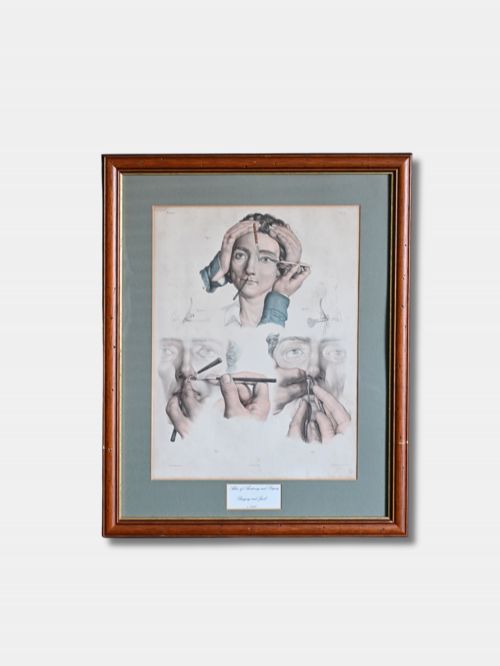
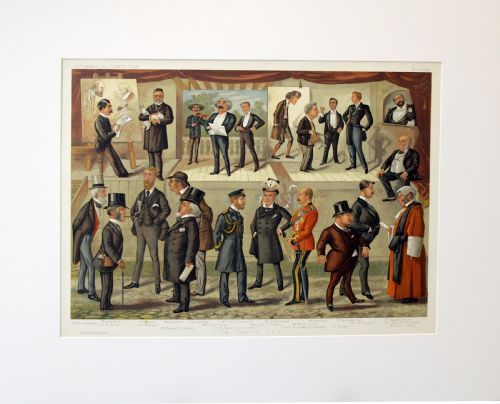
Victorian coloured prints encompass a broad spectrum of antique imagery, spanning natural history plates, sporting scenes and satirical portraiture. Buyers examine framed pieces and sheet material originating from the nineteenth century, executed through various printmaking techniques.
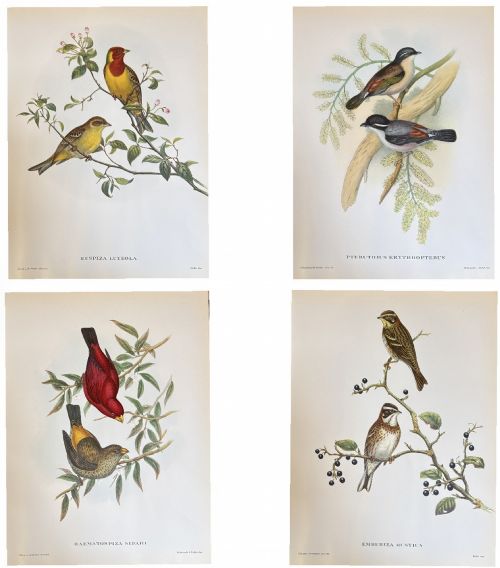
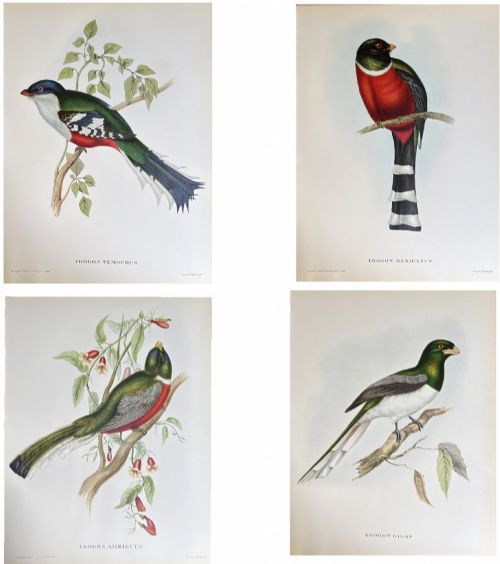
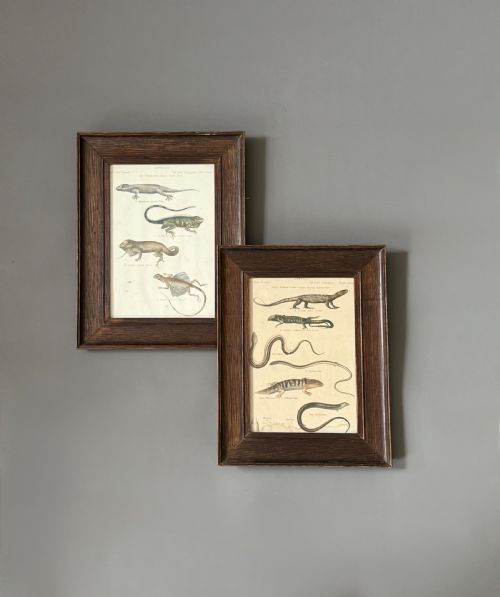
The selections available here lean heavily toward subjects such as tropical birds, botanical studies with insects, and field sports. Works by recognised illustrators appear alongside anonymous topographical views of the River Thames and military subjects.
Most items emerge from the broader Victorian era, though adjacent nineteenth-century dates and later impressions surface regularly. These works functioned as scientific illustration, periodical illustration and domestic wall art.
Materials and Technique
Production relied fundamentally on paper sheets receiving ink impressions from engraved copper or steel plates, woodblocks or lithographic stones. Skilled artisans frequently applied watercolour highlights by hand to monochromatic prints, producing vibrant hand-coloured engravings.
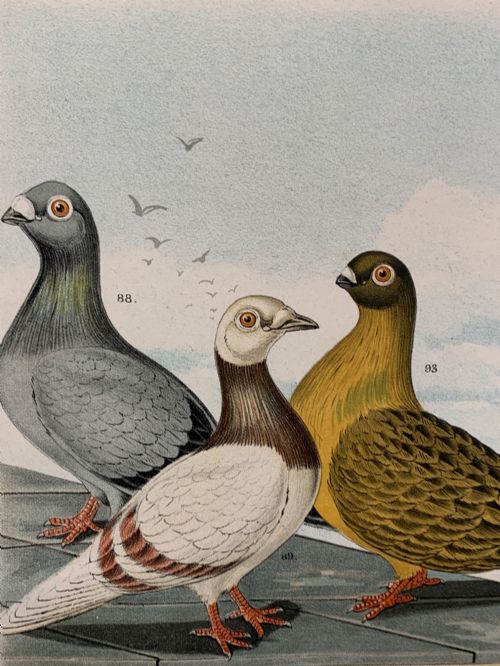
Chromolithography emerged as a dominant technique for multi-coloured ink application without subsequent brushwork, capturing complex hues in registration. Finished works found containment behind glass within wood, gilt wood or carved frames.
Victorian Coloured Prints Retail Price Guide 2026
Typical asking prices for victorian coloured prints among the pieces listed under this phrase on Sellingantiques today, from the lower quarter to the upper quarter. They describe what is for sale here now, not the wider market.
Current listings feature paper, glass and wood alongside ink, watercolour and gold leaf across the nineteenth century.
Markers of Quality
Quality rests heavily upon the crispness of the underlying plate impression and the precision of any applied pigment. Fading, paper toning and foxing spots alter the visual integrity of older sheets significantly.
The character of the framing contributes substantially to the overall standard of a piece, with period frames in gilt wood or carved timber holding distinct preference over modern replacements.
William Bird MD FLS·Oliver Goldsmith·Jonathan Couch·David Roberts·John Curtis·Charles Hunt·Francis Calcroft Turner·Thomas Worth
The Victorian Coloured Prints Glossary
- Chromolithography
- A planographic printing method that uses multiple lithographic stones to build up a full-colour image with distinct inks. This technique allowed Victorian publishers to mass-produce vivid reproductions of paintings and illustrations.
- Engraving
- A intaglio printmaking process where an artist cuts lines directly into a metal plate with a burin. The resulting incisions hold the ink under pressure to transfer a sharp, fine-lined image onto paper.
- Lithography
- A planographic technique based on the mutual repulsion of oil and water upon a flat limestone surface or metal plate. Artists draw directly onto the stone to create the printing matrix.
- Crystoleum
- A Victorian method of applying a transparent print to the inside of concave glass, hand-colouring the reverse, and sealing it. This technique creates a luminous, dimensional painted effect.
- Mezzotint
- An intaglio printmaking process where the printing plate is roughened uniformly to produce rich tonal gradations rather than sharp lines. It produces velvety dark areas and subtle highlights.
Victorian Coloured Prints: Frequently Asked Questions
How do I identify a hand-coloured print from a chromolithograph?
Hand-coloured prints reveal tiny brushstrokes under magnification and occasional pooling of watercolour pigments within the ink lines. Chromolithographs display a microscopic pattern of coloured dots or uniform flat ink fields from the stone process.
Closer inspection of the paper surface often shows slight depressions where hand-applied wash touched damp paper, whereas purely lithographic surfaces remain flatter to the touch.
What is foxing on antique prints?
Foxing refers to the brownish spots and patches that commonly develop on nineteenth-century paper due to chemical reactions in the pulp or exposure to damp conditions. These age marks appear frequently on antique book plates and botanical engravings.
While minor foxing is an accepted sign of genuine age among collectors, heavy spotting that obscures the central image detracts from the visual appeal and value of the work.
How should I frame and display nineteenth century prints?
Antique works require conservation-grade mounting materials and UV-filtering glass to prevent further fading of delicate watercolours and inks from ambient light. Acid-free backings stop chemical degradation from transferring to the original paper sheet.
Placement away from direct sunlight and damp exterior walls ensures the paper fibres and pigments remain stable for decades to come.
Were these prints originally bound in books?
Many nineteenth-century natural history illustrations, botanical plates and topographical views were originally published as plates within bound volumes or serial periodicals. Dismantled plate books supply a large proportion of the loose unframed prints found on the market today.
Evidence of binding typically appears as a trimmed or untrimmed margin along one edge where the sheet was once stitched into a spine.