




Victorian Colour Print
When you search for a victorian colour print, you are looking at nineteenth-century imagery brought to life through ink, watercolour, and stone.
Victorian Colour Print
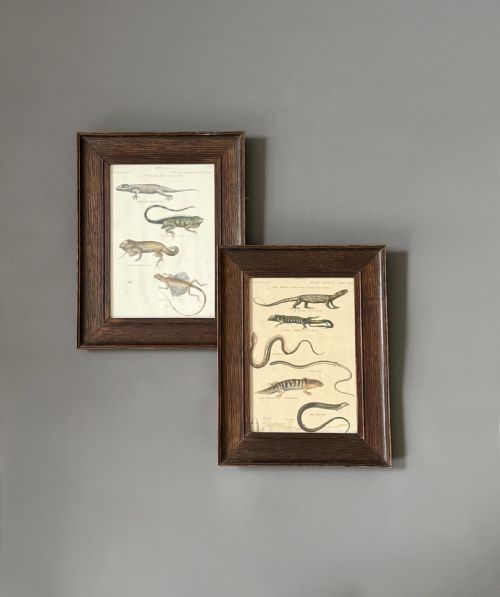
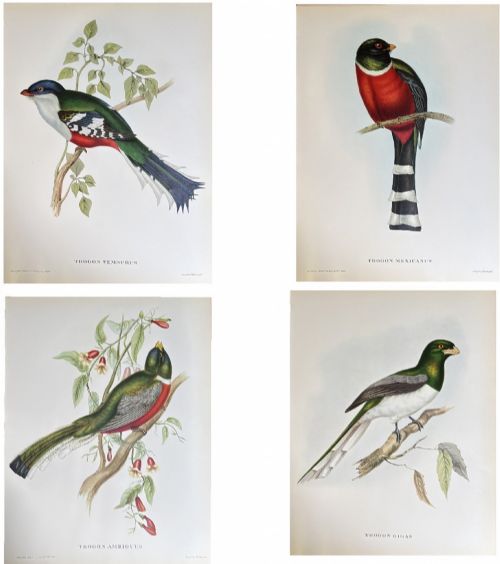
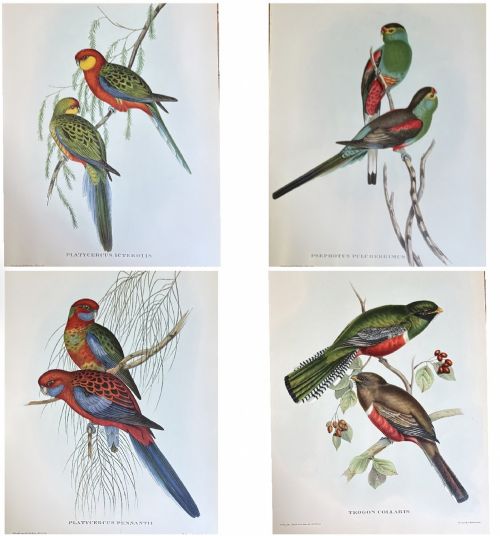
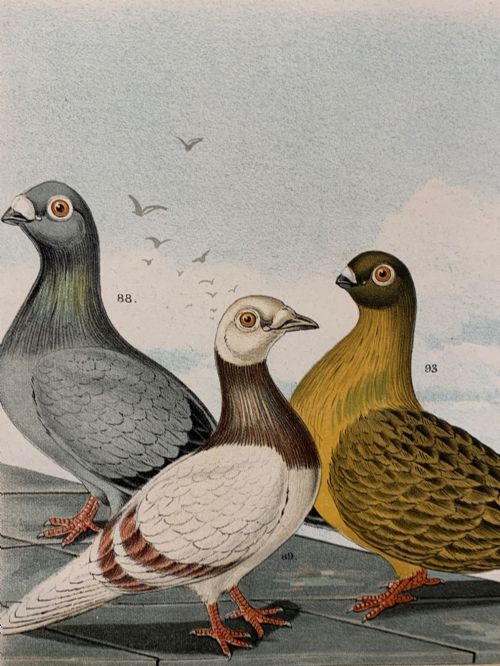
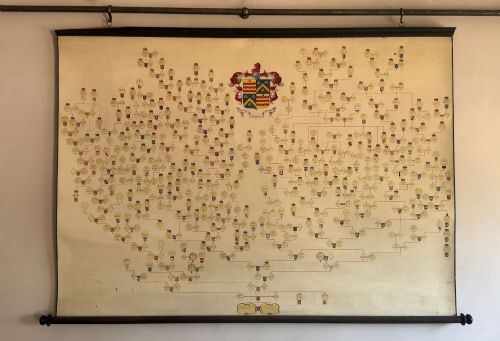
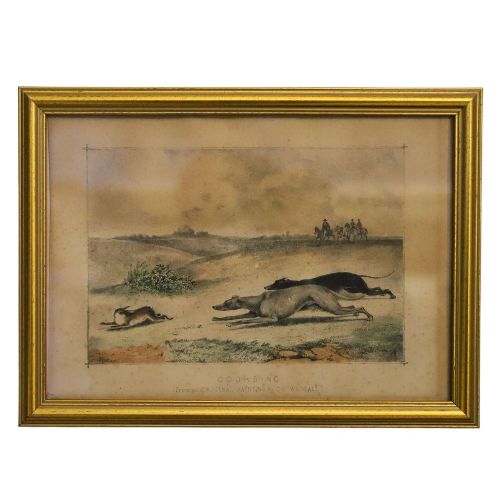
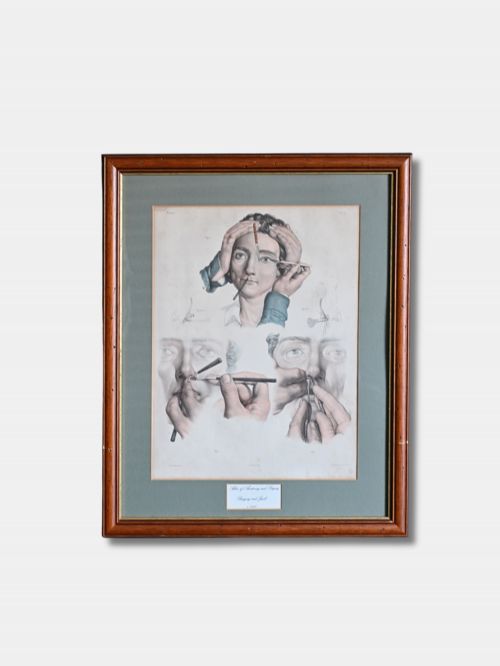
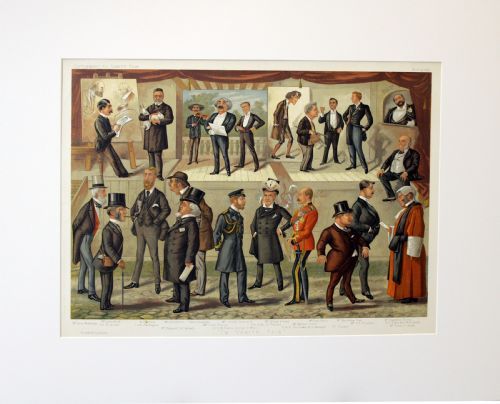
A victorian colour print encompasses a wide variety of subjects, from natural history studies of birds and sea shells to sporting scenes, military formations, and topographical views. Many examples survive as sets or pairs, often removed from bound volumes or portfolios and subsequently framed.
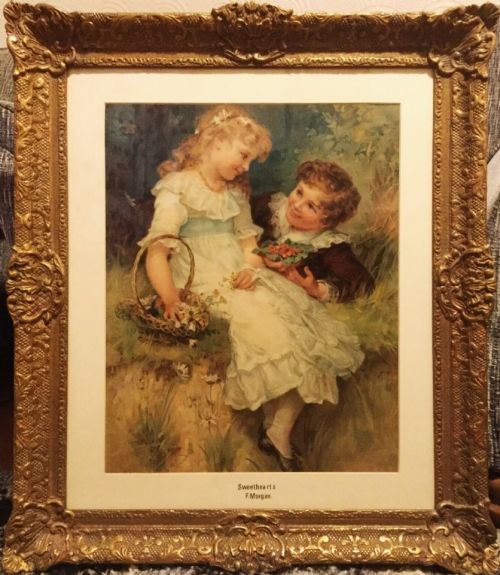
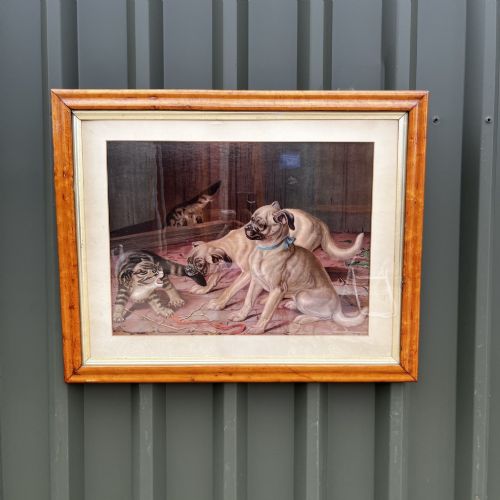
The aesthetic reflects the nineteenth-century appetite for visual documentation, depicting everything from domestic pets and theatrical portraits to exotic landscapes and cartography. The physical items range from modest bookplates to large framed works designed for prominent display on domestic walls.
Buyers will encounter various production methods under this heading, including lithographs, chromolithographs, aquatints, and line engravings that received subsequent pigment by hand. These works document the transition from monochrome book illustration to vibrant commercial colour printing.
Materials and technique
The foundational image typically began as an ink impression pulled from an engraved metal plate, a carved wooden block, or a prepared lithographic limestone. Artisans then applied colour either mechanically through multiple stone passes, as seen in chromolithography, or manually using watercolours applied over the printed lines.
Paper forms the primary substrate, varying in weight from sturdy wove sheets to finer book leaves bearing the impressions of the printing press. Frames utilise period materials such as gilt wood, carved wood, and reverse glass settings associated with crystoleum techniques.
Subject matter ranges widely from military campaigns and botanical studies to domestic pets, sporting events, and classical architecture.
Factors determining quality
Quality rests heavily on the crispness of the underlying impression and the precision of the registration or hand-colouring. Sharp lines in the original engraving prevent the image from appearing muddy, while skilled watercolour application preserves delicate tonal gradations rather than obscuring detail behind heavy pigment.
The integrity of the sheet also dictates value, with well-preserved margins, stable paper tones, and minimal foxing separating superior examples from heavily degraded specimens. Complete sets and matched series command distinct attention compared to isolated or trimmed plates.
William Bird MD FLS·Horatio Henry Couldrey·Oliver Goldsmith·Jonathan Couch·David Roberts·William Powell Frith·Thomas Sutherland·Henry Thomas Alken·Thomas Leeson Rowbotham
The Victorian Colour Print Glossary
- Chromolithography
- A planographic printing technique that uses multiple limestone blocks, one for each individual colour, to build up a vibrant multi-coloured image without manual tinting. This method allowed for high-volume production of rich pictorial sheets during the nineteenth century.
- Aquatint
- A variant of etching that produces broad tonal areas resembling watercolour washes through the use of acid-resistant resin applied to a metal plate. It proved exceptionally popular for sporting prints and topographical views.
- Crystoleum
- A Victorian method of applying a transparent print to the inside of concave glass, hand-colouring the reverse, and backing it with further pigment to create a luminous, three-dimensional painting effect. These pieces often feature elaborate gilt frames.
- Lithography
- A planographic printing process based on the chemical repulsion of oil and water upon a flat limestone surface. Artists drew directly onto the stone with greasy crayons to produce faithful reproductions of original paintings and drawings.
- Engraving
- A technique where an artist cuts lines directly into a metal plate using a sharp steel tool called a burin. The resulting incisions hold the ink under pressure to transfer a precise, enduring image onto paper.
Victorian Colour Print: Frequently Asked Questions
How do I identify a hand-coloured print?
Examine the surface under magnification to look for fine brushstrokes and pigment that sits visibly on top of the printed lines rather than within the ink matrix.
Hand-applied watercolour often exhibits slight pooling at the edges of shapes, whereas mechanical colour separation shows distinct microscopic dot patterns or uniform flat fills.
Were these originally published in books?
Many surviving examples began as plates bound inside natural history folios, travel accounts, or periodical volumes before being separated for framing.
Evidence of this origin often appears as a central vertical or horizontal fold mark, or trimmed margins where the sheet was removed from a binding.
What is a crystoleum picture?
A crystoleum is a distinct nineteenth-century picture form created by sticking a thin paper print face-down onto curved glass, rubbing away the paper backing, and painting the reverse.
This painstaking process produced a glossy, layered portrait or genre scene that mimics the depth of an oil painting.
How should I frame and display them?
Paper works require conservation-grade mounting materials and UV-filtering glass to protect fugitive watercolours and delicate inks from fading in direct sunlight.
Keep them away from damp environments to prevent foxing spots and mould growth from developing across the paper surface.