




Victorian Collector Table
These victorian collector table pieces offer compact storage and display for small treasures, combining period craftsmanship with practical utility.
Victorian Collector Table
A victorian collector table encompasses table-top cabinets, tabletop chests, and bijouterie tables designed for organising and displaying small items. Most examples found here originate from the nineteenth century, spanning Victorian and Edwardian periods.
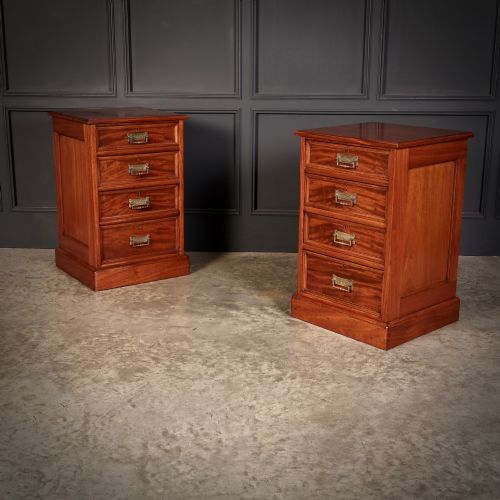
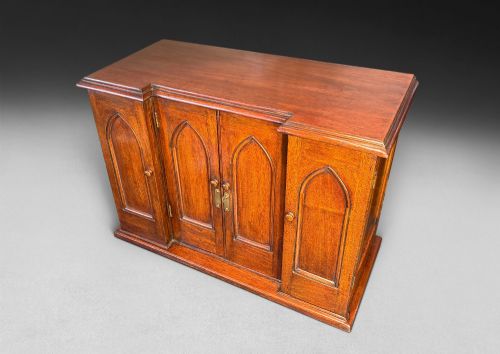
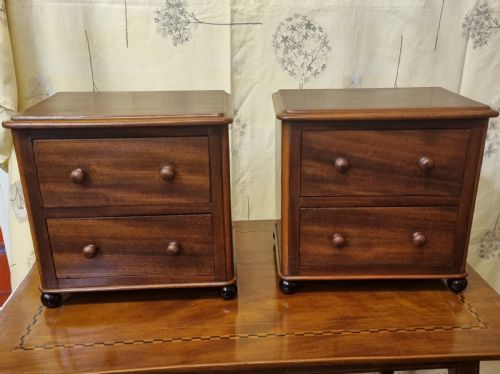
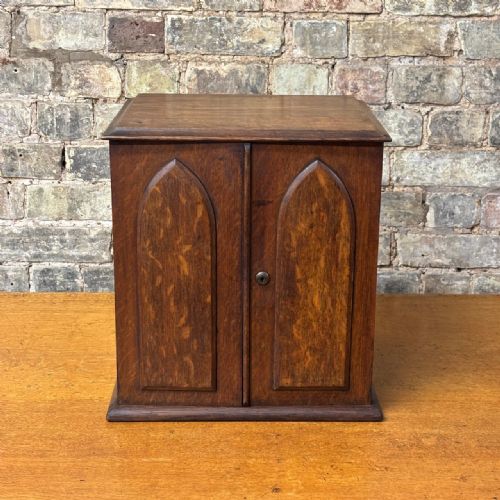
The common forms include table cabinets with panel doors, lockable compartments, and glazed vitrine or display tables. Buyers frequently encounter tabletop cabinets and jewellery chests configured with multiple drawers or glass panels.
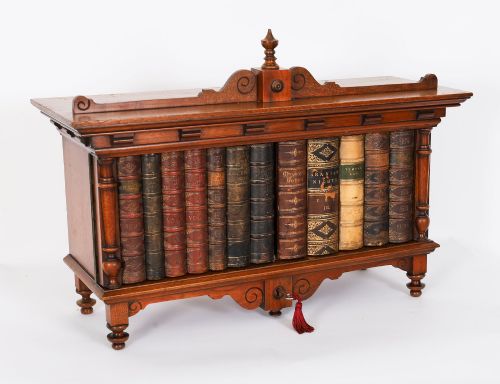
Makers utilised various timber carcases and fitted interiors to house specimens, jewellery, and curiosities close at hand. These pieces range from simple softwood and oak boxes to substantial rosewood and burr walnut display furniture.
How they were made
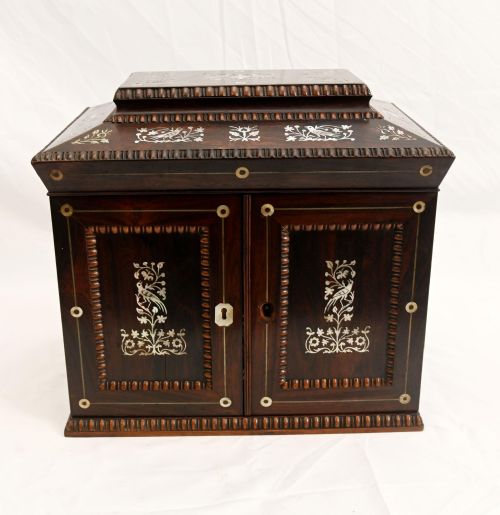
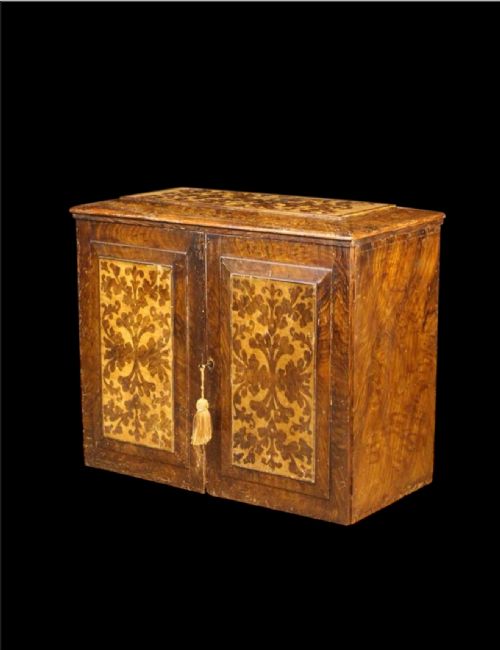
Cabinet makers constructed the carcases using dense timbers such as mahogany, oak, walnut, and rosewood, often applying burr walnut or burr veneers to visible surfaces. Marquetry inlay, brass mounts, and ormolu details further enriched the exterior appearance of these fine cabinets.
Interior fittings frequently involved velvet or fabric linings, delicate glass panes for vitrines, and mother of pearl detailing on small drawers. Carved wooden elements and Gothic panel doors demonstrate the decorative techniques employed during the nineteenth century.
Victorian Collector Table Retail Price Guide 2026
Typical asking prices for victorian collector table among the pieces listed under this phrase on Sellingantiques today, from the lower quarter to the upper quarter. They describe what is for sale here now, not the wider market.
Several cabinets include hidden compartments, secret drawers, and tiny brass keys designed for concealing the smallest of Victorian treasures.
What varies in quality
The distinction between standard and superior pieces rests on the choice of timber veneer, the precision of marquetry inlay, and the execution of carved details. Elaborate ormolu mountings and fine brass hardware elevate the status of a cabinet.
Construction methods and the integrity of glazed doors or fitted drawer interiors dictate the overall standard of the piece. Selecting timber with rich figuring, such as burr walnut or rosewood, marks out the finer examples in this category.
The Victorian Collector Table Glossary
- Bijouterie table
- A glass-topped display table specifically designed for showing small ornaments, jewellery, and precious curiosities. These pieces often feature hinged lids and velvet-lined interiors.
- Vitrine
- A glass-fronted or glass-sided cabinet intended for the display of delicate objects and porcelain. This form protects items from dust while offering full visibility.
- Marquetry
- Decorative inlay work using various coloured woods to create pictorial or geometric patterns on the surface of a cabinet. Craftsmen carefully cut and fitted these veneer pieces together.
- Ormolu
- Gilded bronze used for decorative mounts and furniture hardware during the nineteenth century. This technique adds a bright metallic accent to dark woods like rosewood and walnut.
Victorian Collector Table: Frequently Asked Questions
What fits inside a collector table?
These cabinets and tables house small curiosities, jewellery, mineral specimens, and collector items within their fitted drawers or glass-topped compartments.
The shallow drawers and partitioned sections protect delicate objects while keeping them organised and visible.
How do I identify a Victorian piece?
Examination of the timber, construction methods, and hardware style helps determine the period. Nineteenth-century examples often utilise solid mahogany, oak, or walnut with hand-cut dovetails.
Stylistic cues such as Gothic Revival panels or Louis XVI revival mounts also point towards the Victorian era.
Where should I place a table cabinet?
Tabletop cabinets sit comfortably on top of larger desks, sideboards, or chests of drawers where their details remain at eye level. Bijouterie tables function well as freestanding centrepieces in a room.
Positioning them away from direct sunlight protects both the timber finishes and any fabric linings inside.
Are these tables secure for valuables?
Many period table cabinets and jewellery chests feature functional locks and keys designed for basic security. These mechanisms provide modest protection for personal trinkets and small collections.
Collectors should verify the working order of the original lock if secure storage is a priority.