

Victorian Collectables
Victorian collectables bring together small functional objects and curiosities from the nineteenth century that reward close examination.
Victorian Collectables
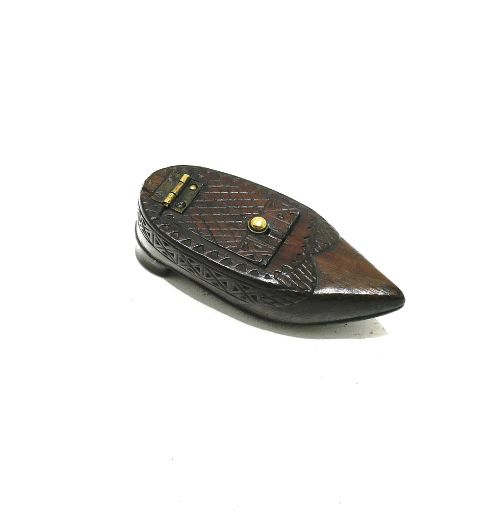
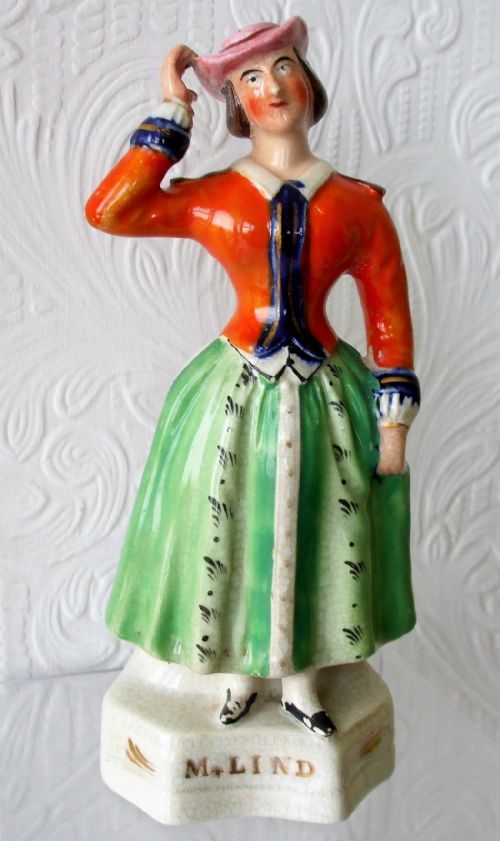
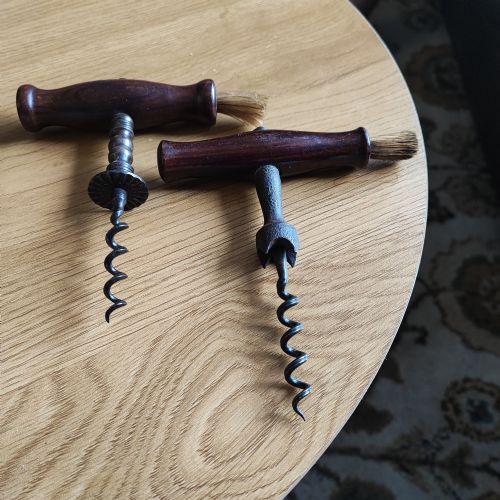
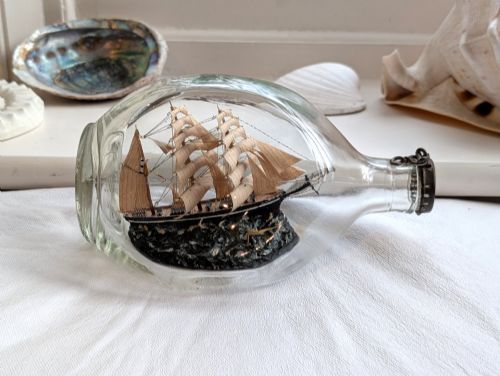
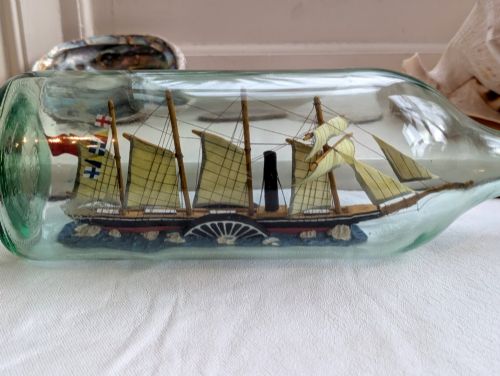
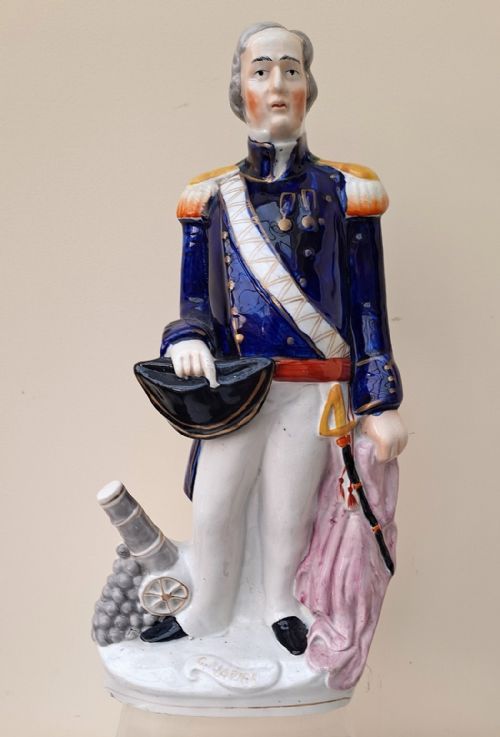
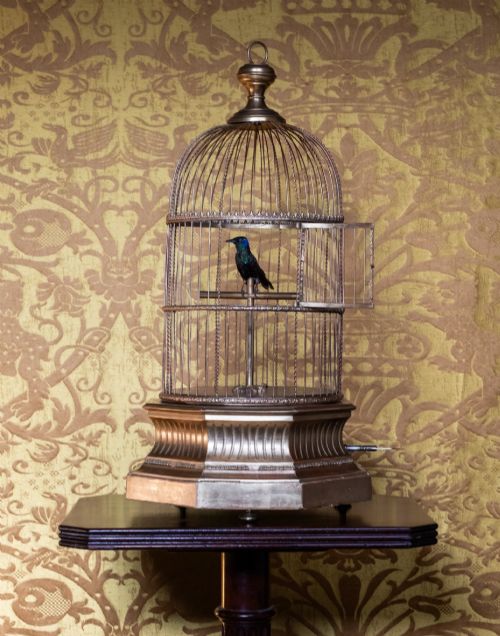
Victorian collectables comprise a diverse array of small domestic items, desk accessories, pocket pieces and novelty treen encountered on this page. These objects range from silver vinaigrettes and pocket watches to fruitwood string barrels and miniature furniture.
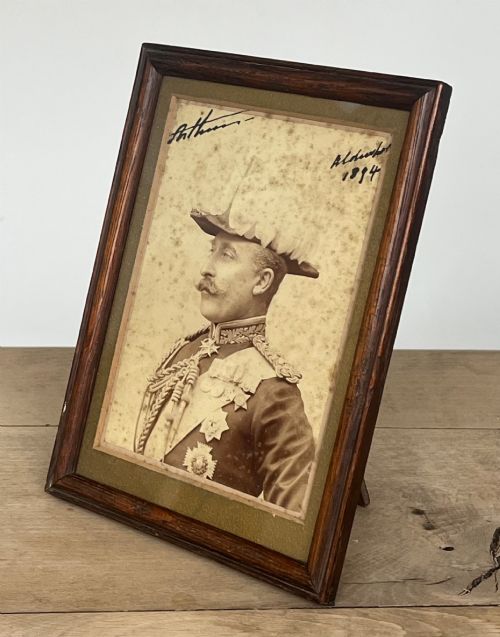
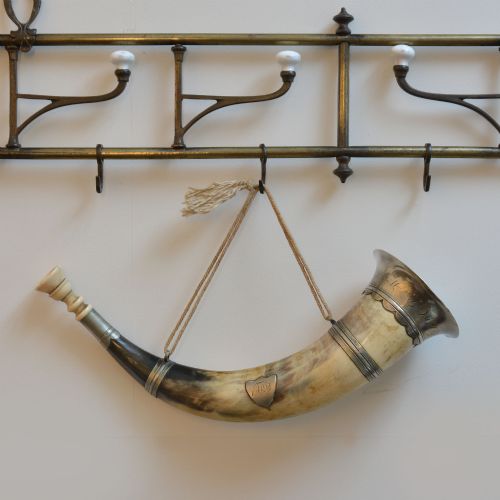
The material record spans the nineteenth century, including pieces marked by Edwardian and early Victorian influences as well as Scottish folk art and military styles. Buyers meet items designed for personal use, writing desks, smoking rooms and travel.
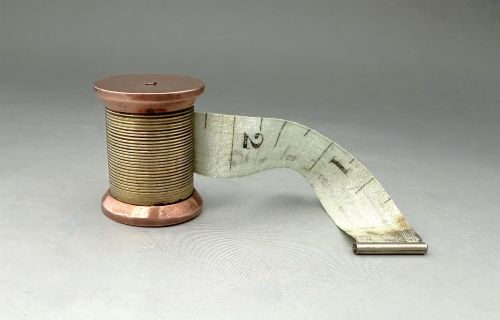
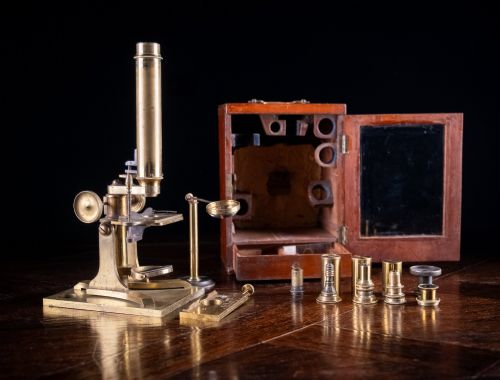
Many survivors demonstrate specific nineteenth-century utility, such as medicine glasses, magnifying lenses, and ticket dispensing boxes. Others serve purely decorative or curious functions, including novelty pin cushions shaped like chairs and carved wooden animals.
How they were made
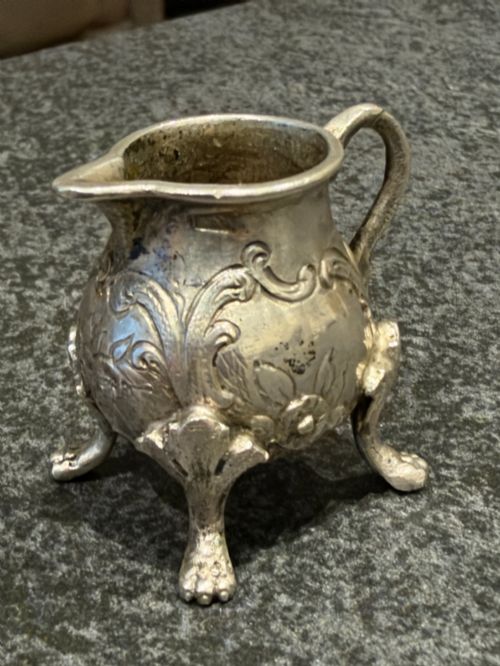
Makers utilised traditional methods in wood, metal and glass, turning fruitwood for treen string boxes, snuff mortars and pipe forms. Silver and sterling silver components underwent casting, piercing and repoussé decoration by silversmiths.
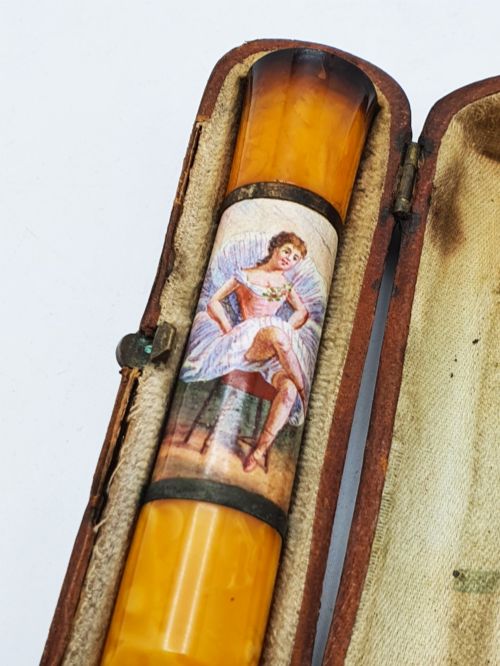
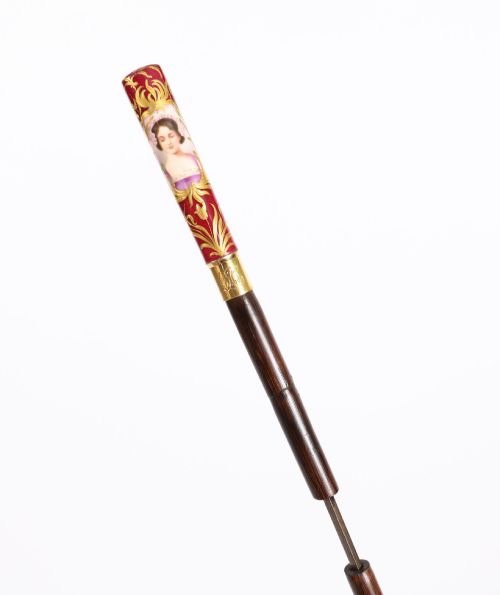
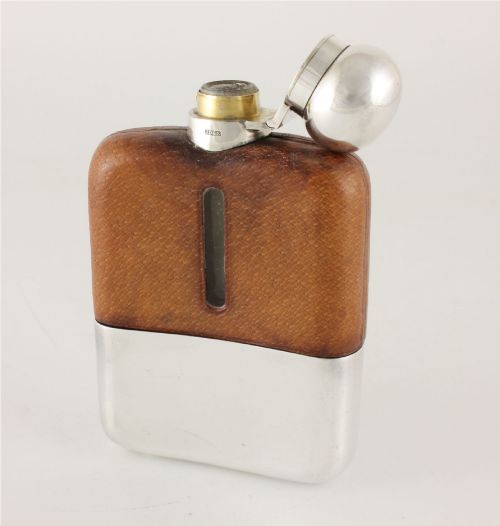
Brass, steel and gun metal formed mechanical elements like pocket watch cases, carriage clock dials and percussion pocket pistols. Leather cases and bindings accompanied delicate glass medicine items and gold fountain pens.
Victorian Collectables Retail Price Guide 2026
Typical asking prices for victorian collectables among the pieces listed under this phrase on Sellingantiques today, from the lower quarter to the upper quarter. They describe what is for sale here now, not the wider market.
The object forms include snuff boxes, antique firearms, pocket watches, walking sticks, desk accessories, clocks, pin cushions, and miniature furniture.
What varies in quality
Differentiation across these objects rests on the crispness of chased silver detail, the fidelity of carved wooden forms, and the preservation of original mechanisms. Finer examples retain their fitted leather cases, legible hallmarks, and undamaged enamel or glass components.
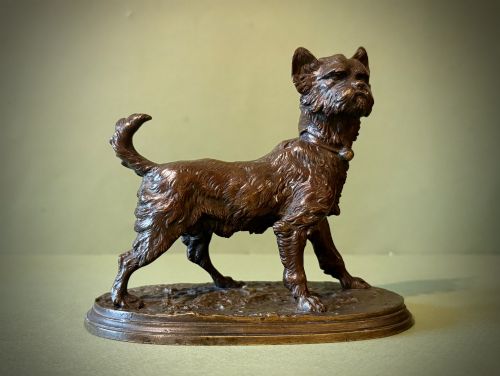
Novelty items and treen depend upon the skill of the carver or turner to shape natural materials into convincing miniature representations of animals, furniture, or fruit. Plain utilitarian pieces rely on robust construction and honest patination from period use.
Nathaniel Mills·Mabie Todd Swan·Eade and Son·Holdcroft
The Victorian Collectables Glossary
- Treen
- Small handmade wooden objects produced from domestic timbers such as fruitwood. This term covers functional items like string boxes, snuff containers and carved tobacco holders.
- Vinaigrette
- A small ornamental metal box fitted with an internal pierced grille to hold a sponge soaked in aromatic vinegar. These pieces were carried in pockets or reticules during the nineteenth century.
- Repoussé
- A metalworking technique where the artisan hammers a design from the reverse side to create raised relief decoration on silver or brass. This method appears on decorative boxes and desk items.
- Cabochon
- A gemstone shaped and polished with a smooth convex surface rather than faceted. These stones frequently embellish gold thimbles and silver novelties.
- Quaich
- A traditional Scottish drinking vessel featuring two or more lug handles. Wooden examples often display regional folk art carving.
Victorian Collectables: Frequently Asked Questions
What are Victorian collectables?
Victorian collectables are small nineteenth-century objects spanning desk accessories, pocket items, silver boxes, and wooden treen created for daily use or display.
These pieces reflect the manufacturing skills and domestic habits of the period, ranging from functional medical glass to novelty pin cushions.
How were pocket pistols used?
Percussion pocket pistols served as personal defence weapons during the nineteenth century, designed to be easily carried in a coat pocket or travel bag.
They operated using percussion cap ignition systems, representing a major technological shift in personal firearms during that era.
How do I care for wooden treen?
Wooden treen pieces require stable indoor humidity away from direct heat sources and strong sunlight to prevent the timber from splitting or warping.
Light dusting with a dry cloth maintains the surface, avoiding harsh modern polishes that can damage historic patination.
How can I tell the period?
Dating relies on silver hallmarks, manufacturer stamps, material choices, and the specific mechanical construction methods visible on each item.
Design styles such as Edwardian touches or early Victorian decorative motifs also help place pieces within the broader nineteenth-century timeline.