



Victorian Coin Box
These Victorian coin box pieces range from modest earthenware banks to sterling silver pocket holders, offering practical security and charm.
Victorian Coin Box
A victorian coin box encompasses a diverse group of domestic receptacles designed to store, display, or carry currency and small valuables. These items bridge the gap between utilitarian banking devices and decorative pocket accessories.
The selections on this page appear primarily across the Victorian and Edwardian periods, stretching from the middle of the nineteenth century into the early twentieth century. Common forms include cast iron mechanical banks, earthenware cottage money boxes, and silver sovereign holders.
Buyers frequently encounter pocket-sized personal items alongside larger desk storage and tabletop money boxes. Materials span precious metals like sterling silver and silver gilt down to everyday wood, cast iron, and earthenware.
Materials and construction
Metal items rely on casting, stamping, and smithing techniques, particularly visible in cast iron mechanical banks and sterling silver sovereign cases. Silver pieces often incorporate hinged lids, secure clasps, and interior velvet linings.
Victorian Coin Box Retail Price Guide 2026
Typical asking prices for victorian coin box among the pieces listed under this phrase on Sellingantiques today, from the lower quarter to the upper quarter. They describe what is for sale here now, not the wider market.
Current listings feature items spanning the Victorian, Edwardian, and nineteenth-century periods, constructed from mahogany, brass, sterling silver, velvet, earthenware, wood, and cast iron.
Assessing quality
Quality rests upon the crispness of casting in iron banks, the precision of joinery in wooden collectors cabinets, and the clarity of hallmarks on silver pieces. Finer items retain their original mechanical actions, working clasps, and fitted velvet interiors.
Maker attribution and decorative ambition separate standard utility items from superior examples. Hand-carved details, precious metal gilding, and documented manufacturer provenance elevate the standing of an individual piece.
John Harper Co·Frederic Boucheron·Verwood Pottery
The Victorian Coin Box Glossary
- Sovereign case
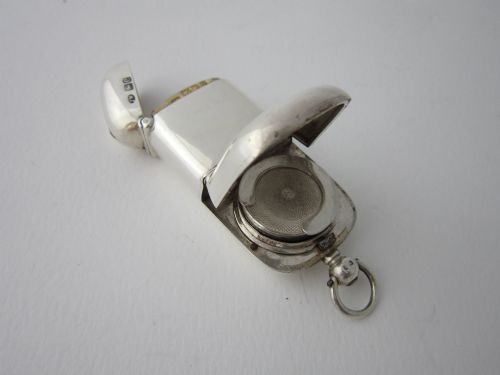
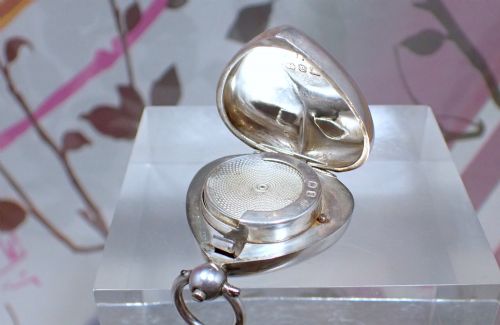
- A small pocket container shaped to hold British gold sovereign coins securely. These silver or gilt receptacles often feature spring-loaded mechanisms.
- Vesta case
- A small pocket box designed to hold wax matches, frequently combined with sovereign holders in late nineteenth century silver items.
- Mechanical bank
- A cast iron money box that performs an animated action when a coin is deposited. These interactive pieces became popular during the nineteenth century.
- Specimen cabinet
- A small multi-drawer wooden chest used by collectors to organise small objects. Mahogany and oak dominate these functional storage units.
Victorian Coin Box: Frequently Asked Questions
How do I date a silver coin case?
Examine the hallmarks stamped on the exterior or interior rim of the metal. British assay office marks provide specific letters corresponding to the year of manufacture.
Style and construction details such as hinge placement and engraving depth also offer clues to the period of origin.
Were mechanical banks meant for children?
Many cast iron mechanical banks served as educational toys to encourage saving habits among Victorian youths. Adults also collected them as novelties for parlour display.
The intricate moving parts required careful handling, making surviving examples desirable objects.
What is the difference between a coin box and a cabinet?
Coin boxes are generally portable receptacles designed to hold a limited number of currency pieces or pocket change. Collectors cabinets feature multiple shallow drawers intended for systematic arrangement of larger coin collections or specimens.
Cabinets remain stationary furniture pieces, whereas boxes travel in pockets or sit on desks.
How should I clean tarnished silver coin holders?
Apply a gentle, non-abrasive silver polish with a soft cloth to remove dark tarnish while preserving underlying detail. Avoid harsh chemical dips that strip away desirable patination.
Store pieces in dry environments away from direct sunlight to maintain the metal surface.