






Victorian Church Wood
Victorian church wood brings heavy oak lecterns, pitch pine pews and carved tracery panels directly from ecclesiastical interiors into domestic spaces.
Victorian Church Wood
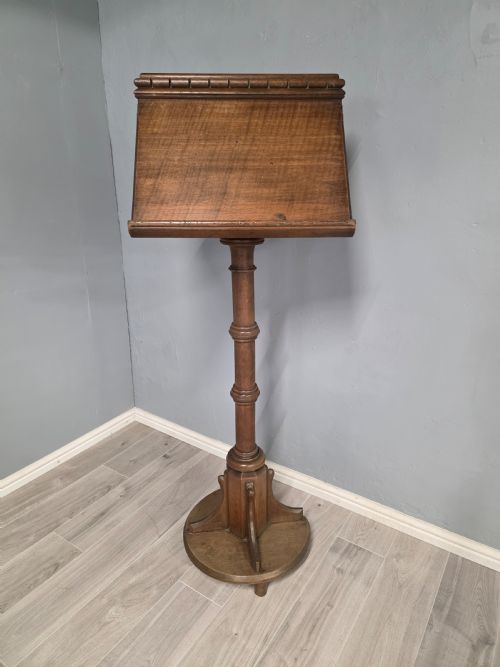
When you search for Victorian church wood, you encounter architectural salvage, benches, settles and lecterns shaped by ecclesiastical demands during the nineteenth century. The examples most frequently met on this page include carved oak lecterns, pine pews, chapel chairs and architectural panels.
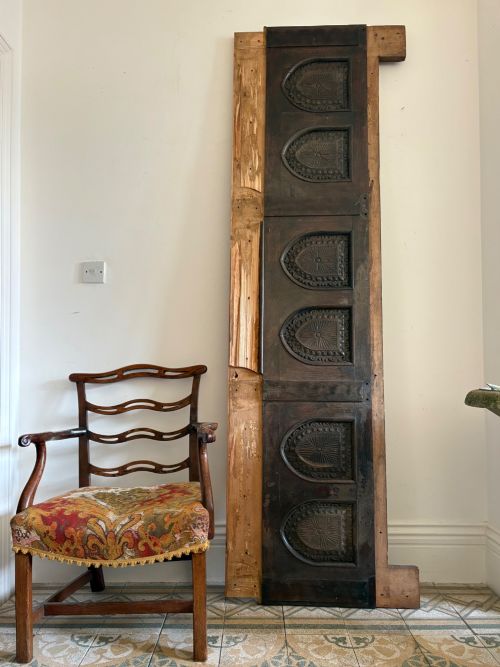
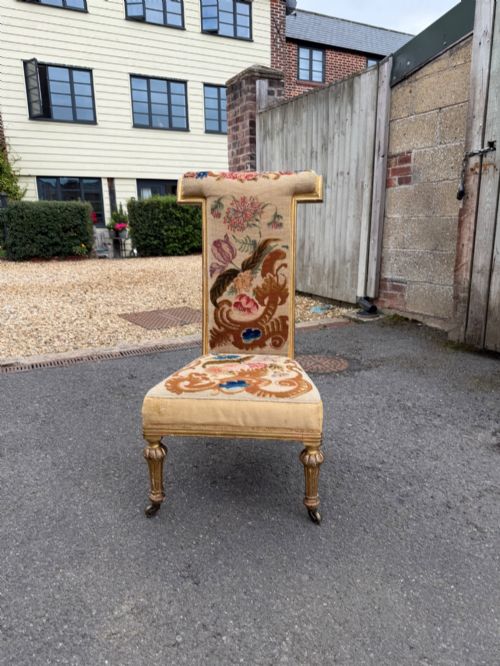
Objects range from large entrance vestibule screens and hall benches to smaller items such as prie-dieu prayer chairs, collection boxes and framed watercolours depicting abbey views. The materials reflect robust construction standards intended for centuries of parish use, dominated by solid timber forms.
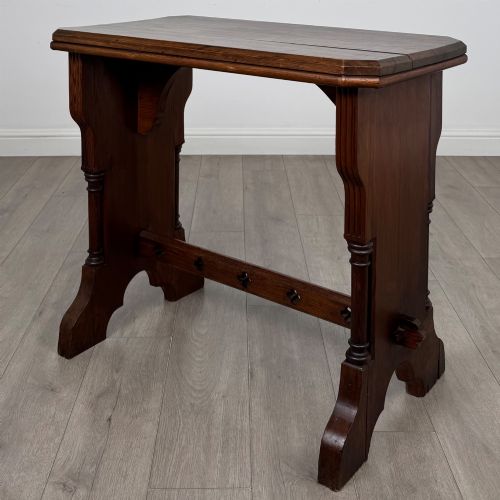
Styles lean heavily towards Gothic Revival and rustic country interpretations, drawing on pointed arches, tracery and solid joinery. These pieces transition readily from religious settings into domestic hallways, studies and living spaces.
Assessing quality in ecclesiastical pieces
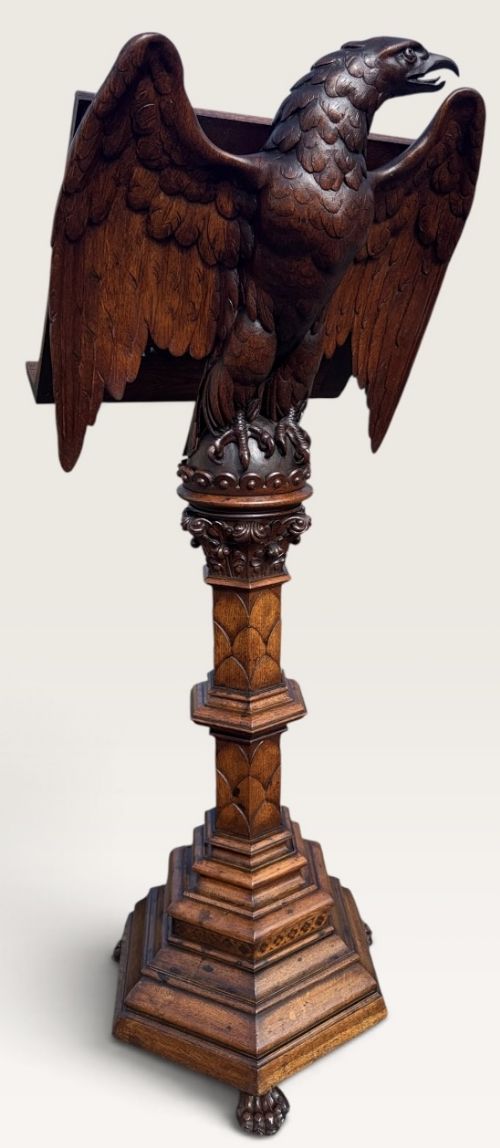
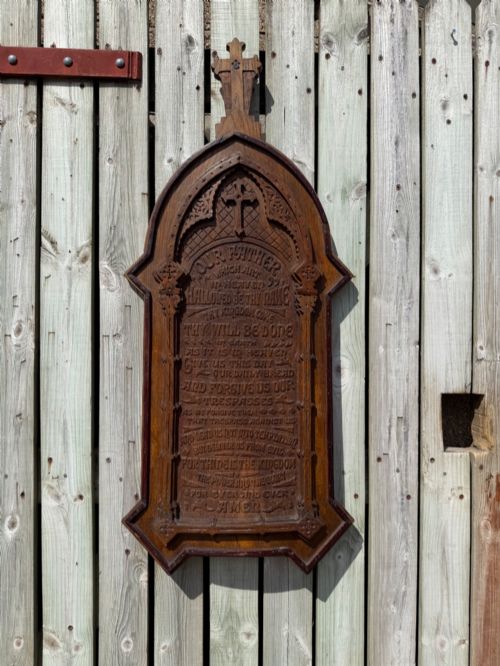
Quality rests primarily on the depth and precision of the hand-carving, particularly evident in figures of saints, eagle lecterns and tracery panels. Crisp chisel work and proportional balance distinguish superior workshops from standard utilitarian parish furniture.
The choice and condition of the timber drive distinction, with dense, figured oak and patinated pitch pine holding greater presence than softer, plain pine alternatives. Original surface finishes and intact structural joinery further elevate certain examples above standard salvage.
Victorian Church Wood Retail Price Guide 2026
Typical asking prices for victorian church wood among the pieces listed under this phrase on Sellingantiques today, from the lower quarter to the upper quarter. They describe what is for sale here now, not the wider market.
Listings feature robust nineteenth-century timber forms, dominated by oak and pitch pine across Gothic Revival and rustic country styles.
Warners of London
The Victorian Church Wood Glossary
- Gothic Revival
- An architectural and decorative style popular during the nineteenth century, drawing inspiration from medieval forms such as pointed arches and quatrefoils. It defines much of the ornamentation found on these liturgical furnishings.
- Prie Dieu
- A small wooden prayer desk or chair featuring a narrow shelf for kneeling and an upper rest for elbows or books. Nineteenth-century examples often incorporate velvet upholstery and ebonised timber framing.
- Tracery
- Openwork ornamental stonework or woodwork with branching lines, frequently employed in Gothic windows and echoed on wooden church panels. Carvers translated these stone patterns into robust oak and pine architectural salvage.
- Settle
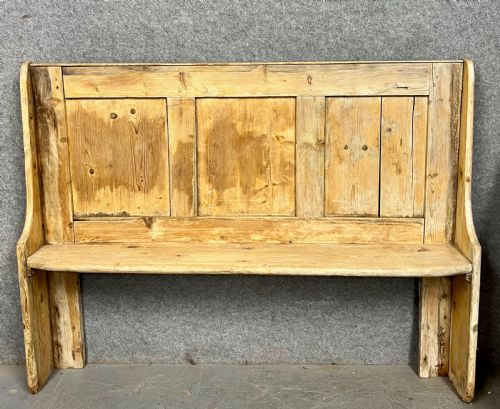
- A wooden bench featuring a high solid back and enclosed arms to block draughts, alongside a box seat beneath. These utilitarian forms served both rural domestic interiors and parish halls.
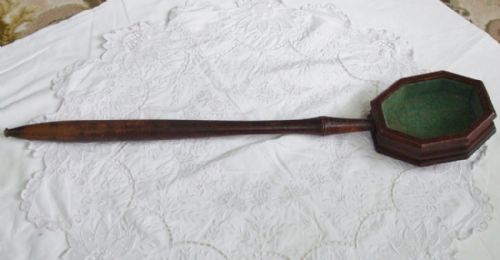
- Alms Dish
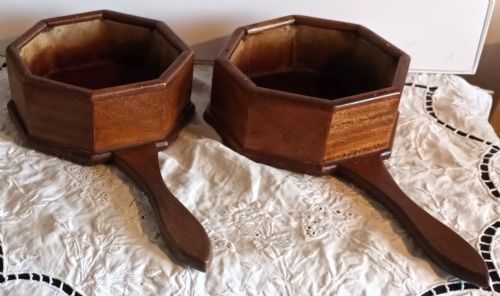
- A metal or wooden basin utilised during church services for collecting charitable donations from the congregation. Welsh Victorian examples in brass or timber reflect regional ecclesiastical metalwork.
Victorian Church Wood: Frequently Asked Questions
What is a prie dieu chair?
A prie dieu is a specialised prayer chair designed with a kneeling platform and an upper armrest. They were built for personal devotion in Victorian homes and chapels.
Most surviving examples feature compact dimensions, turned legs and upholstered elements in fabrics such as green velvet.
How do I identify Gothic Revival style?
Gothic Revival pieces display architectural motifs borrowed from medieval cathedrals, including pointed arches, trefoils and intricate tracery carvings. Craftsmen applied these elements directly to functional items like lecterns, chairs and wall panels.
This aesthetic dominated nineteenth-century ecclesiastical design and heavily influenced domestic furniture of the period.
Where were church pews made?
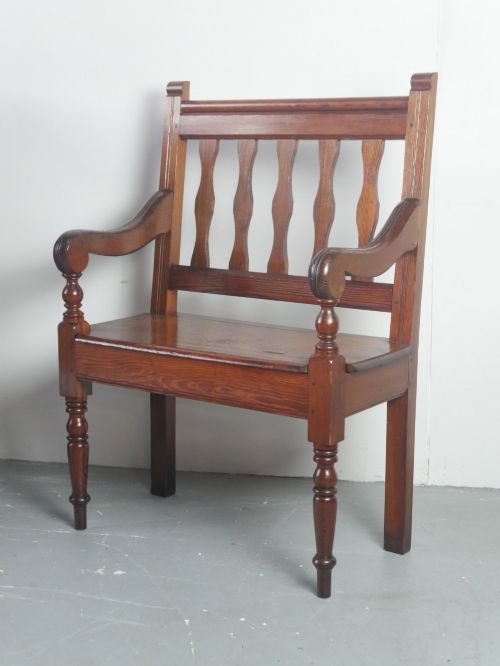
Church pews were constructed by local joiners or specialised ecclesiastical workshops using durable regional timbers. Pitch pine and oak were standard choices for their ability to withstand heavy daily wear in parish settings.
Surviving pews and settles often retain the linear simplicity and robust side framing required for communal seating.
How can I use architectural panels at home?
Carved wooden panels and entrance screens are mounted directly onto walls as focal art pieces or integrated into interior joinery. Their intricate tracery brings strong architectural texture to modern hallways and living rooms.
Large screens can also function as room dividers, retaining their original timber patina and nineteenth-century character.