


Victorian Chippendale Chairs
Victorian chippendale chairs revive eighteenth-century elegance through substantial mahogany frames, intricate carved details and durable upholstery suited for formal dining.
Victorian Chippendale Chairs
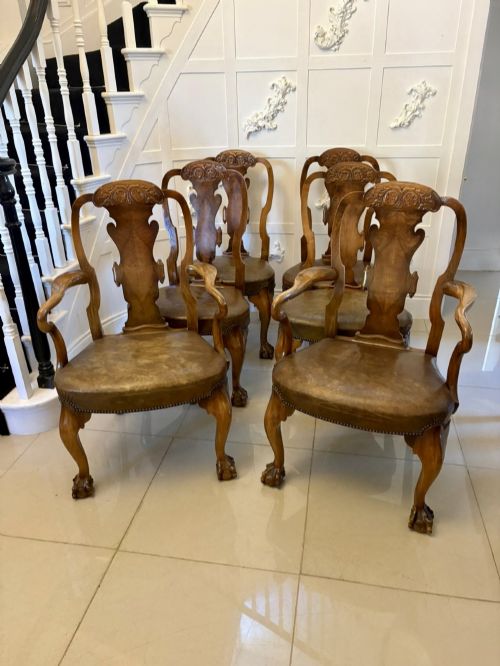
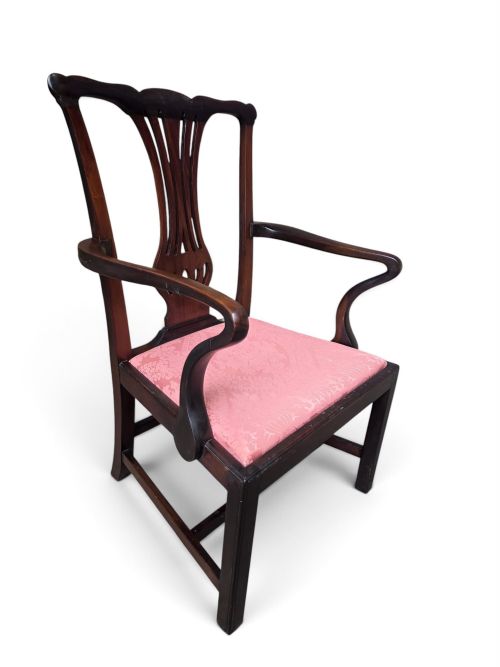
Victorian chippendale chairs comprise dining sets, single side chairs, armchairs and library carvers produced primarily during the nineteenth century. These pieces interpret earlier Georgian aesthetics through revival movements, offering sturdy seating forms for period interiors.
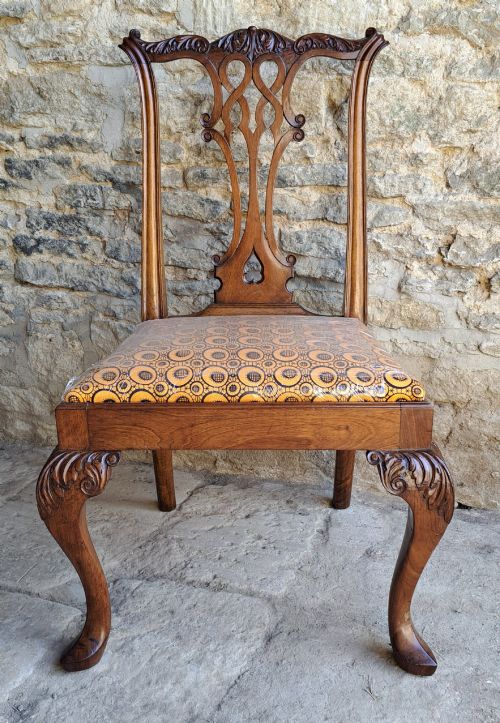
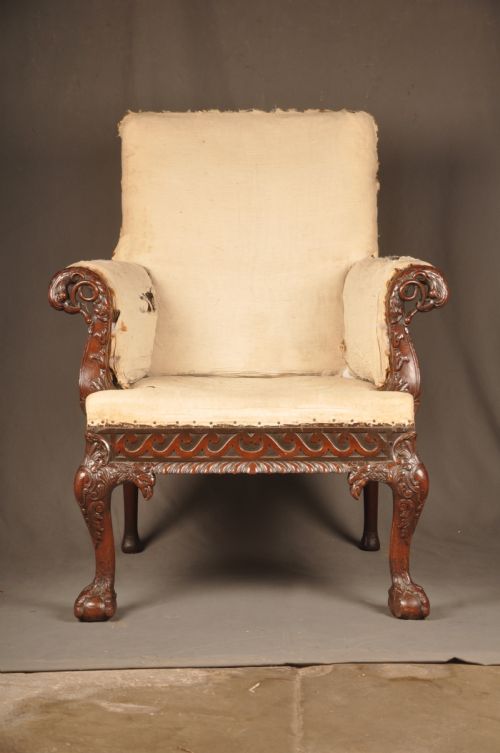
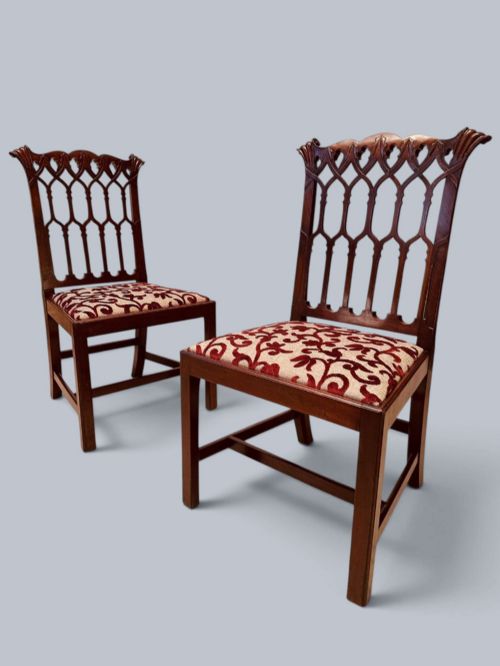
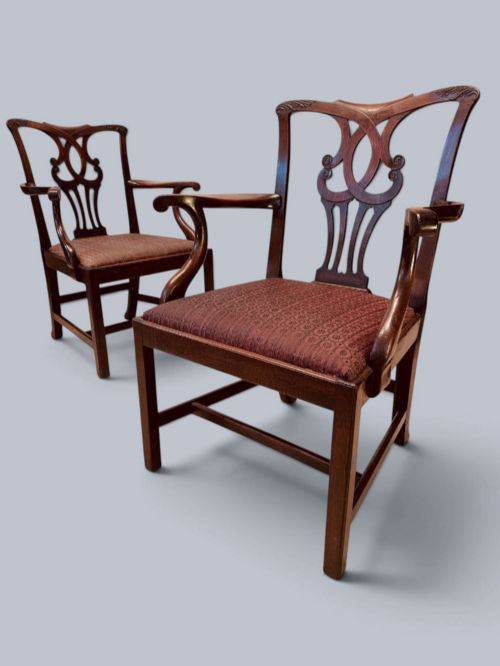
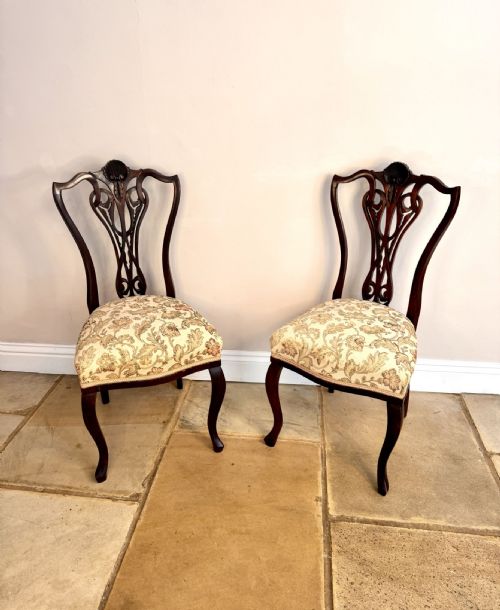
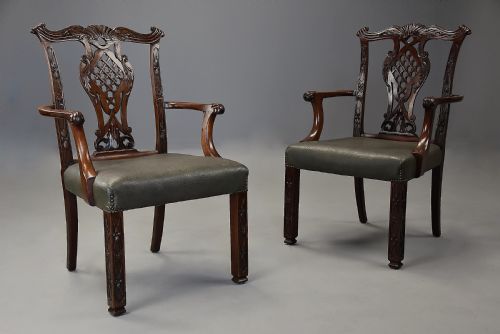
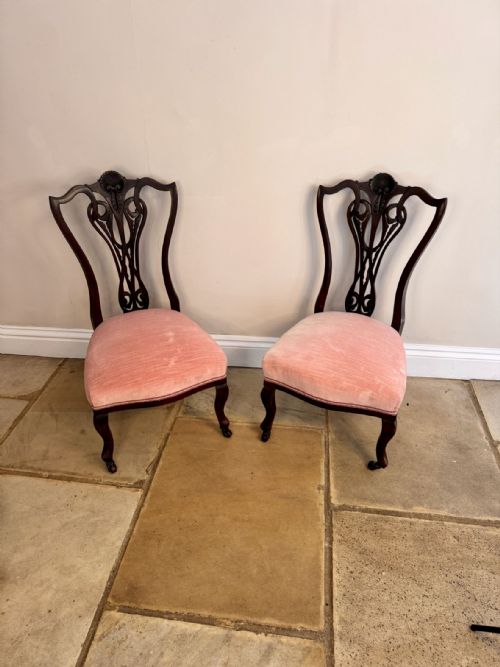
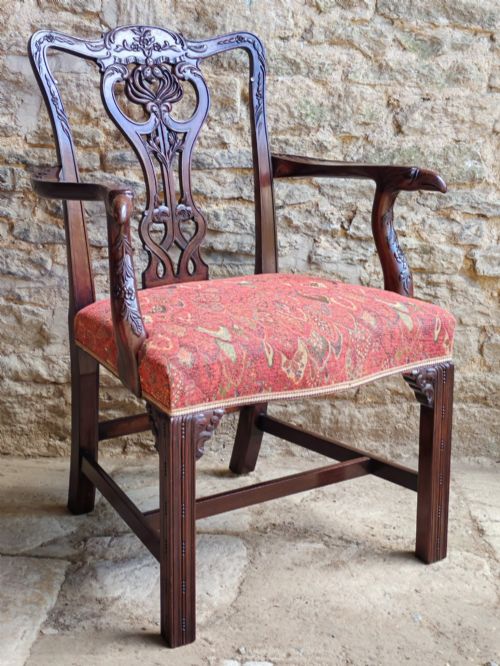
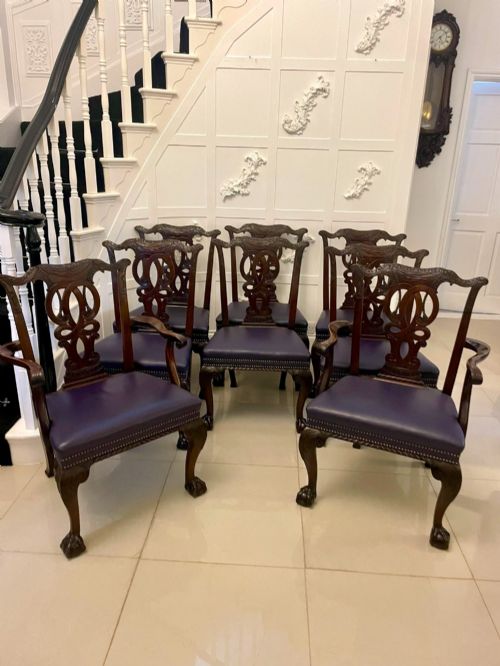
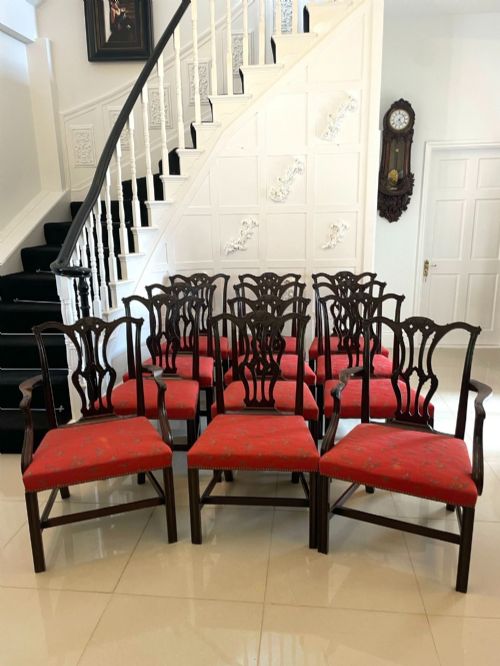
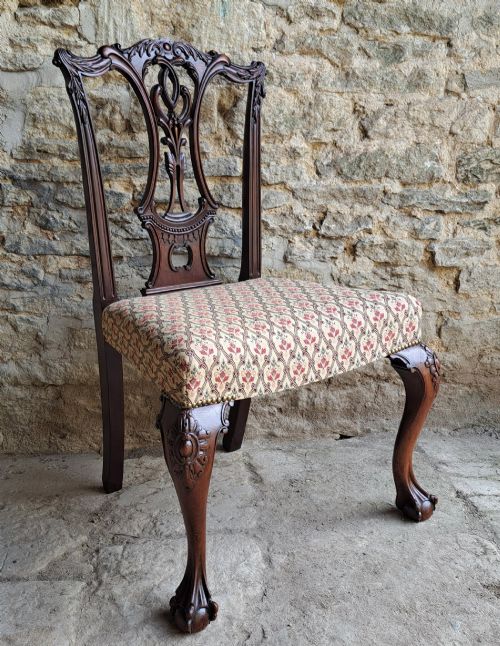
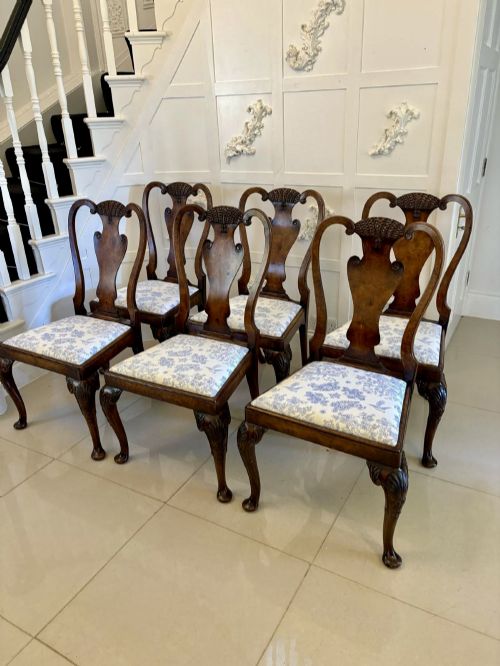
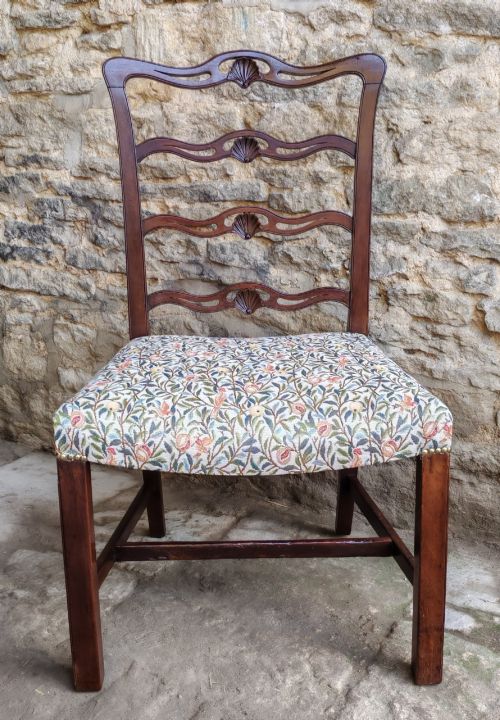
Buyers frequently encounter large matched sets of dining chairs alongside pairs of open armchairs or desk chairs. Mahogany serves as the primary timber, often shaped with ribbon backs, pierced splats or carved cabriole legs.
Originating largely from English workshops, these items span periods from the mid-nineteenth century through the Edwardian era. Their robust construction makes them practical for daily use around large dining tables.
Construction and Materials
Cabinetmakers utilised solid mahogany, walnut and occasionally oak, selecting dense timbers capable of supporting elaborate pierced backsplats and carved ornamentation. Frames were joined using traditional mortise and tenon joints to ensure long-term structural stability.
Upholstery techniques involved drop-in seats or webbed foundations covered in leather, tapestry or contemporary fabric. Brass details frequently reinforced structural points or decorated specific library and desk chair variants.
Victorian Chippendale Chairs Retail Price Guide 2026
Typical asking prices for victorian chippendale chairs among the pieces listed under this phrase on Sellingantiques today, from the lower quarter to the upper quarter. They describe what is for sale here now, not the wider market.
Revival sets range from single side chairs up to large dining groups containing twelve or more matching seats.
Defining Quality
The standard of carving distinguishes standard production from superior examples, with crisp undercutting and depth marking the work of skilled hands. Wood selection also dictates grade, particularly where figured mahogany or burr walnut displays rich grain patterns.
Completeness of a matched set heavily influences overall desirability, especially when large numbers of chairs survive together with original carvers. The integrity of the original frame construction and surviving upholstery foundations also separate standard pieces from master-carved variants.
Howard and Sons·Warings·Gill and Reigate·Marsh Jones and Cribb
The Victorian Chippendale Chairs Glossary
- Carver
- An armchair, typically designed to sit at the head of a dining table and featuring supportive elbow rests. These pieces match the style of accompanying single dining chairs.
- Splat
- The vertical wooden strip positioned centrally within the back of a chair. Chippendale designs frequently employ pierced or intricately carved variations of this element.
- Cabriole leg
- A furniture leg that curves outward at the knee and tapers inward toward the foot, often finishing in a claw and ball design. This form derives from classical furniture traditions.
- Ladderback
- A chair back featuring horizontal wooden slats arranged in a vertical sequence resembling the rungs of a ladder. Revival models adapt this profile for dining use.
- Tapestry
- Heavy woven textile utilised for seat covers and upholstery inserts. These materials often display traditional pictorial or geometric patterns.
Victorian Chippendale Chairs: Frequently Asked Questions
How do I identify a Victorian Chippendale chair?
Examine the back for a pierced splat and look for carved cabriole legs with ball and claw feet. These revival pieces blend eighteenth-century motifs with nineteenth-century timber choices.
Mahogany and walnut predominate, while construction methods reflect Victorian workshop standards rather than authentic Georgian output.
Were these chairs meant for dining rooms?
Many survive as large sets intended specifically for formal dining tables, accompanied by matching armchairs for the heads of the table. Smaller single side chairs also served in parlours and reception rooms.
Library armchairs and desk variants adapted the same aesthetic for study and office environments.
What wood was most commonly used?
Mahogany remains the dominant material across the majority of surviving examples, prized for its strength and dark hue. Walnut and oak appear less frequently in specific revival styles.
Timber quality varies from plain stock to heavily figured grain and Cuban mahogany varieties.
How should I care for antique upholstery?
Protect leather and fabric seats by avoiding direct sunlight and maintaining stable indoor humidity. Professional cleaning preserves original tapestry and leather finishes without damaging the underlying webbing.
Period frames benefit from occasional waxing to nourish the timber surfaces.