



Victorian Chinoiserie Stand
A victorian chinoiserie stand brings decorative lacquer and painted scenes into a room on a raised frame.
Victorian Chinoiserie Stand
A victorian chinoiserie stand encompasses items designed to elevate objects or provide functional surfaces using oriental decorative schemes. The pieces on this page span occasional tables, tray tables, plant stands, and display units originating largely in the nineteenth century.
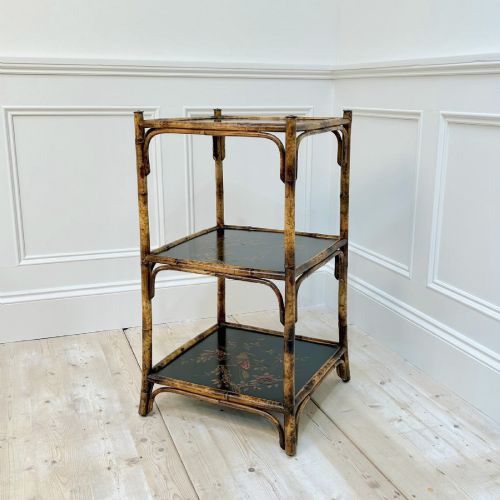
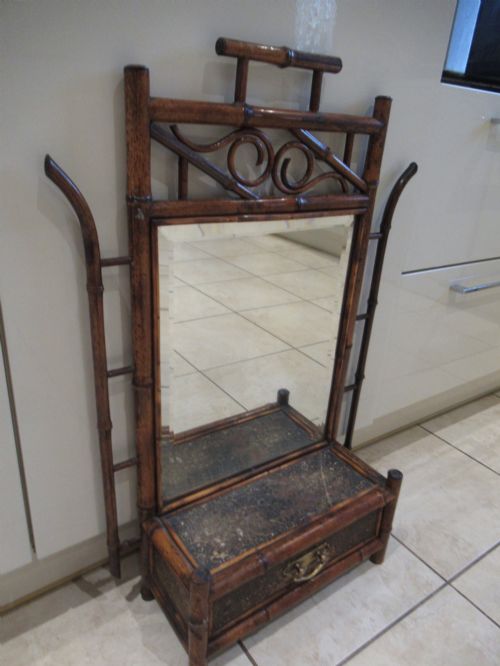
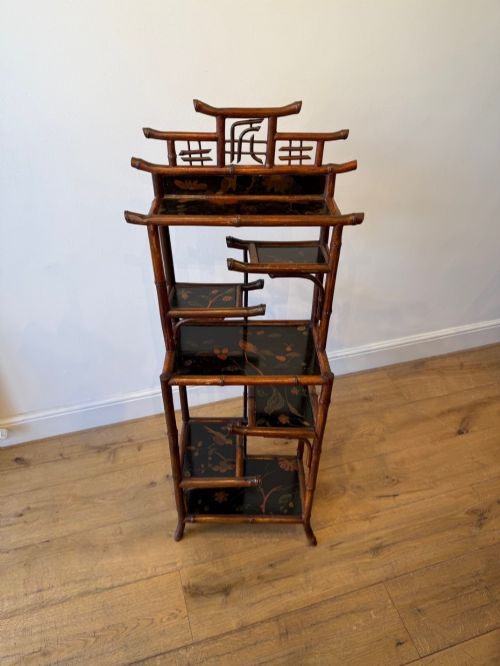
Buyers encounter distinct forms such as folding tray tables featuring papier-mâché or wood trays, alongside bamboo frames with lacquered panels. Side tables and magazine racks also appear, often finished with black or ebonised grounds.
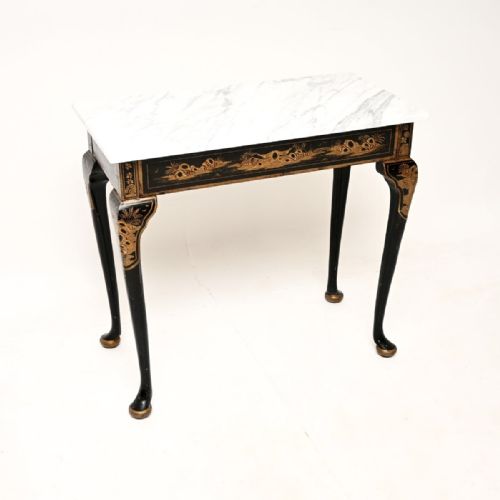
The aesthetic merges British Victorian manufacturing with motifs inspired by Chinese and Japanese art. Pieces range from simple bamboo magazine stands to carved hardwood tables set with marble.
How they were made
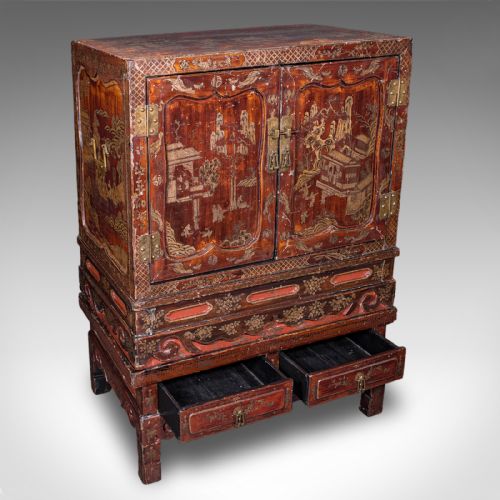
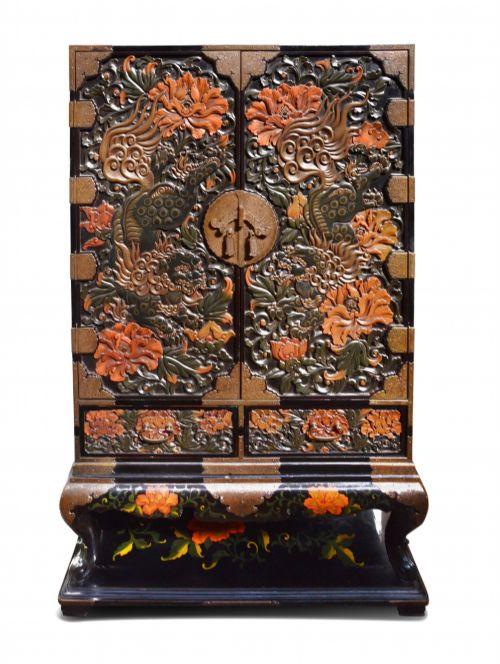
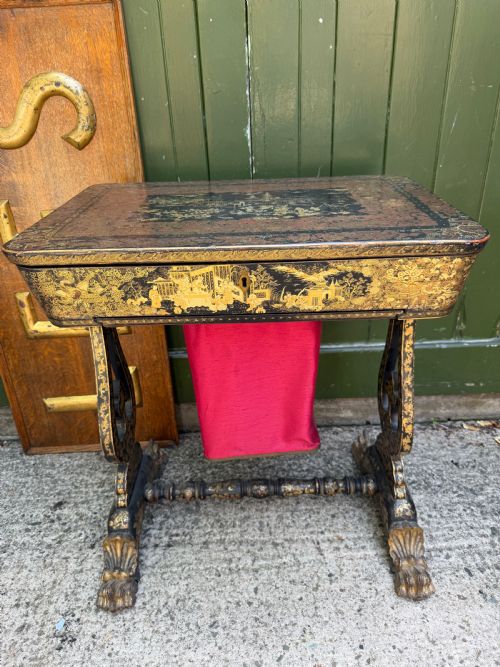
Construction relies heavily on traditional wood, bamboo, and papier-mâché, shaped into sturdy frames and display surfaces. Artisans applied layers of lacquer to wood and papier-mâché to create smooth, durable finishes suitable for decorative painting.
Gold leaf and hand-painted pigments form the characteristic landscape and figurative scenes that define the style. Frameworks often utilise bamboo stalks or ebonised hardwood, sometimes combined with inset marble tops or brass fittings.
Victorian Chinoiserie Stand Retail Price Guide 2026
Typical asking prices for victorian chinoiserie stand among the pieces listed under this phrase on Sellingantiques today, from the lower quarter to the upper quarter. They describe what is for sale here now, not the wider market.
Several stands double as magazine racks, proving that Victorian readers also enjoyed a tidy lounge.
What varies in quality
The refinement of the hand-painted decoration and gilding sets superior examples apart from standard production pieces. Detailed brushwork depicting intricate pavilions and figures indicates skilled workmanship.
The integrity of the underlying materials, such as well-seasoned hardwood versus lighter secondary woods, dictates the longevity of the stand. Preserved lacquer surfaces without extensive crazing or modern repainting also distinguish better specimens.
Edwards & Roberts·Gabriel Viardot
The Victorian Chinoiserie Stand Glossary
- Chinoiserie
- European decorative style reflecting Chinese artistic influences. It employs motifs like pagodas, landscapes, and figures.
- Ebonised
- Wood finished to resemble ebony. This dark staining technique was popular on Victorian frames and furniture.
- Papier-mâché
- Composite material made from paper pulp or layers of paper mixed with glue. It was moulded and lacquered for serving trays.
- Torchere
- Tall ornamental stand designed to hold a light or plant. These slender supports often feature carved or lacquered surfaces.
- Japonisme
- Late nineteenth-century interest in Japanese art and aesthetics. It influenced the asymmetry and natural motifs seen on various stands.
Victorian Chinoiserie Stand: Frequently Asked Questions
What is a tray table?
A tray table combines a removable serving tray with a folding or fixed wooden stand. It allowed Victorian households to serve drinks and clear them away easily.
These pieces often feature papier-mâché or lacquered wood trays decorated with hand-painted oriental scenes resting on bamboo or ebonised frames.
How do I care for lacquer?
Lacquer requires gentle dusting with a soft, dry cloth to protect the glossy surface. Avoid placing these stands in direct sunlight or near heat sources.
Moisture can damage aged finishes, so use coasters and keep them in stable indoor environments.
Where were these stands used?
Victorian homes placed these stands in drawing rooms, parlours, and hallways to display plants, hold magazines, or serve refreshments. Their decorative appearance suited formal entertaining spaces.
Compact sizes allowed them to fit easily beside seating or in corners as accent furniture.
Are bamboo stands sturdy?
Bamboo frames are surprisingly resilient due to the natural tensile strength of the material. Makers selected seasoned canes to build sturdy magazine racks and small side tables.
Regular inspection of the joints helps maintain stability over decades of domestic use.