






Victorian Childs Cane
These Victorian childs cane pieces are miniature seating built with proper joinery for the nursery, offering a charming touch of period craftsmanship.
Victorian Childs Cane
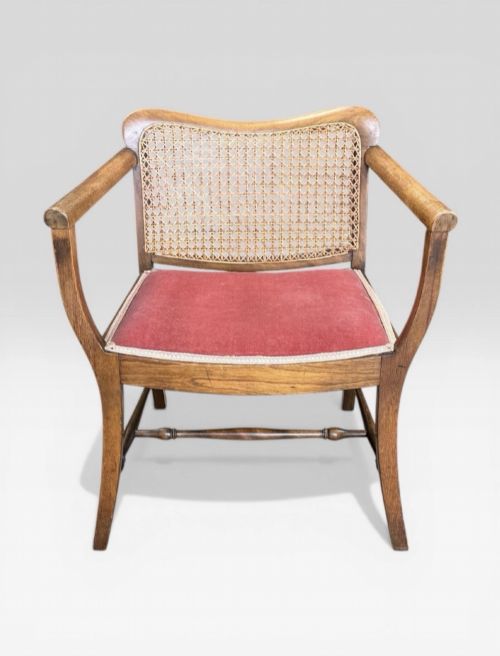
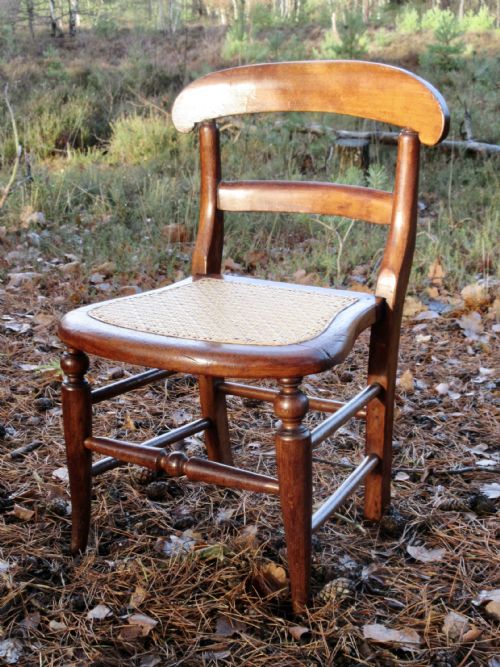
The materials and construction reflect full-scale furniture of the nineteenth century scaled down for children. Many examples feature woven cane seats and backs supported by frames in mahogany, oak, beech, and walnut.
On this page you are most likely to encounter Victorian and nineteenth-century forms, including tub high chairs and bergere chairs. Makers applied various stylistic influences ranging from simple country workshop designs to French Louis XVI style and Thonet bentwood.
How they were made
The framework of these chairs relies on traditional cabinetmaking techniques using hardwoods such as mahogany, oak, and beech. Joinery includes pegged mortise and tenon joints to withstand the heavy wear expected from nursery furniture.
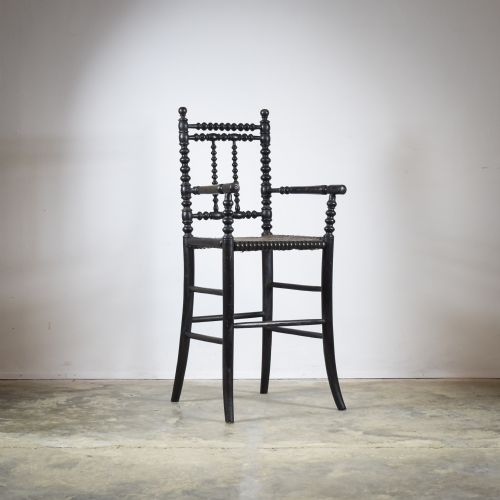
Caning was woven by hand through drilled holes or channel frames around the seat rails and backrests. Other structural elements incorporate bentwood methods, bobbin turning, and faux bamboo shaping to achieve distinct decorative profiles.
The documented forms range from standard side chairs and rocking chairs to high chairs and correction chairs.
What varies in quality
The distinction between ordinary and superior pieces rests on the choice of timber and the tightness of the woven cane work. Dense hardwoods like mahogany and fine hand-woven mesh indicate higher workshops than utilitarian softwood or replacement webbing.
Design sophistication also sets examples apart, moving from plain country shop items to sophisticated tub chairs with bergere panels and detailed turning. Original surfaces and retained structural integrity elevate the standing of any piece.
James Shoolbred·Thonet
The Victorian Childs Cane Glossary
- Bergere
- An enclosed armchair with a wooden frame and woven cane back and sides. This style originated in France and became popular in nineteenth-century English seating.
- Bentwood
- Wood softened by steam and bent into curved structural forms. This technique was mastered by manufacturers like Thonet for lightweight chairs.
- Bobbin turned
- Turned woodwork shaped to resemble a string of beads or bobbins. It appears frequently on nineteenth-century frames.
- High chair
- A raised childs chair designed for use at a dining table. Nineteenth-century versions often included footrests and security trays.
Victorian Childs Cane: Frequently Asked Questions
What were victorian childs cane chairs used for?
These miniature seats served daily domestic functions in nineteenth-century nurseries, dining rooms, and parlours. High chairs kept infants secure during meals, while smaller armchairs and rockers gave children their own seating.
Craftsmen built them with the same structural care as adult furniture because nursery items endured heavy daily use. Today they function primarily as decorative display pieces or collectors items.
How do I identify a Victorian childs chair?
Look at the timber species, joinery methods, and proportions relative to adult furniture of the same period. Nineteenth-century examples typically employ solid hardwoods like mahogany and oak combined with traditional hand-woven cane.
Stylistic cues such as bobbin turning, bentwood framing, or faux bamboo decoration help narrow down the decade of production. Examining the wear patterns on the feet and seat rails also indicates age.
Are these chairs safe for children today?
Most antique childs chairs are intended for display and collection rather than modern nursery use. Safety standards for children furniture have changed significantly since the nineteenth century.
Original cane panels and historic timber joints may lack the structural strength required for active contemporary children. Collectors generally place them as decorative accents or use them for dolls and bears.