





Victorian Chester Silver
Victorian chester silver brings together domestic smallwares and novelties bearing the distinct three-sheaves-and-sword assay mark of that historic English city.
Victorian Chester Silver
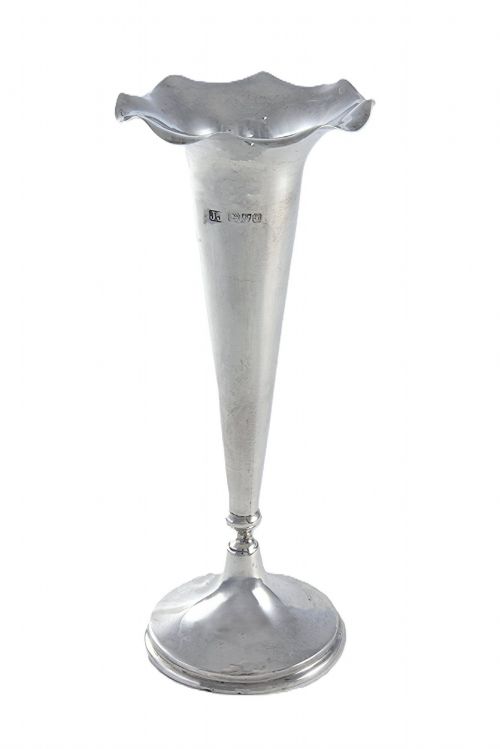
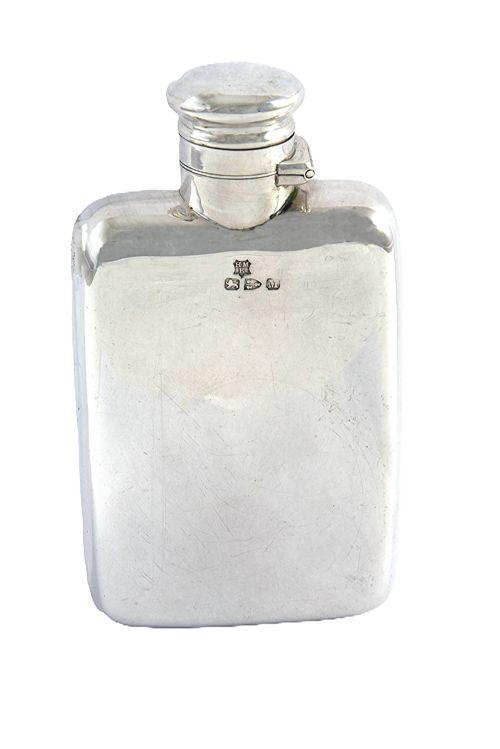
The objects span varied functional forms, from utilitarian flatware and hip flasks to decorative posy vases, candlesticks, and letter openers. While the bulk of the material originates from the Victorian era proper, occasional pieces extend into the Edwardian years and the early twentieth century. These items showcase the robust provincial silversmithing trade that operated out of Cheshire alongside the major London and Birmingham hubs.
Materials and construction
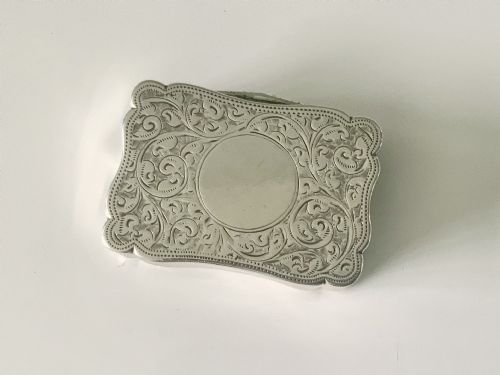
The primary material across the selection is sterling silver, frequently paired with supplementary substances such as enamel, glass, velvet, leather, silk, and mother of pearl. Silversmiths utilised traditional manufacturing techniques including stamping, casting, and hand-engraving to form functional items and decorative novelties. Silver-gilt surfaces appear on selected pieces to provide a rich interior finish.
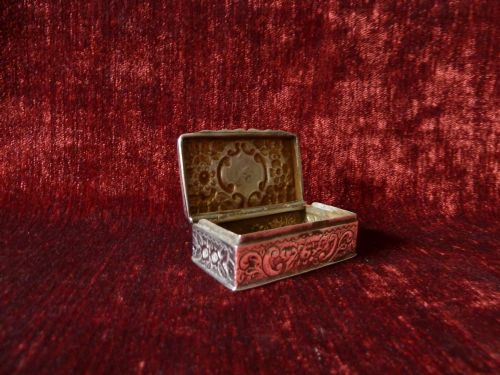
Many objects incorporate functional components made from non-silver materials, such as glass inserts in scent or posy vessels, velvet linings in presentation boxes, or mother of pearl teethers on rattles. The application of painted enamel adds colour and detail to personal accessories like vesta cases. Construction methods range from simple folded sheet silver to intricate, multi-part novelty castings.
Victorian Chester Silver Retail Price Guide 2026
Typical asking prices for victorian chester silver among the pieces listed under this phrase on Sellingantiques today, from the lower quarter to the upper quarter. They describe what is for sale here now, not the wider market.
Listings feature sterling silver smallwares from the Victorian, Edwardian, and mid-twentieth-century periods, incorporating materials like enamel, glass, and mother of pearl.
Evaluating quality and craftsmanship
Quality in this silver category rests upon the crispness of the Chester hallmarks, the definition of cast or chased details, and the structural integrity of hinges and closures. Superior items retain sharp maker's marks and town marks without blurring from over-cleaning or wear, ensuring the piece can be accurately dated and attributed.
The standard of execution in decorative elements, such as hand-painted enamel panels or complex novelty mechanisms, distinguishes finer examples from standard production work. Well-preserved internal linings, original glass components, and intact gilt washes further elevate the standing of an individual piece.
Berthold Muller·William Neale
The Victorian Chester Silver Glossary
- Chester assay mark
- The official stamp comprising three sheaves of wheat and a sword, applied to silver tested at the Chester assay office. This mark provides definitive proof of regional origin.
- Vesta case
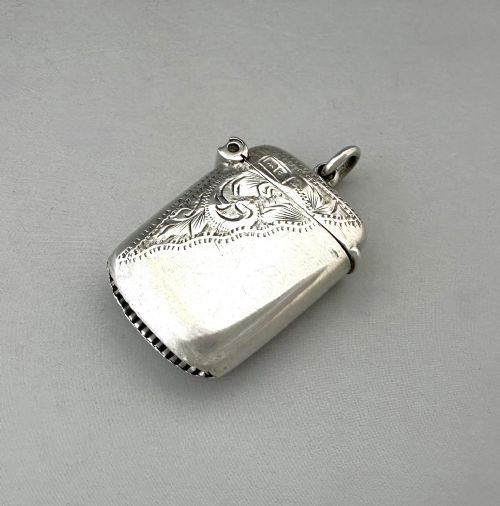
- A small pocket container designed for holding matches, frequently fitted with a striking surface on the base. These personal accessories often feature engraved decoration or enamel work.
- Silver-gilt
- Sterling silver that has been coated with a thin layer of gold on its surface. This technique protects the underlying silver and provides a rich decorative finish, particularly on the interiors of boxes and cream jugs.
- Tea caddy
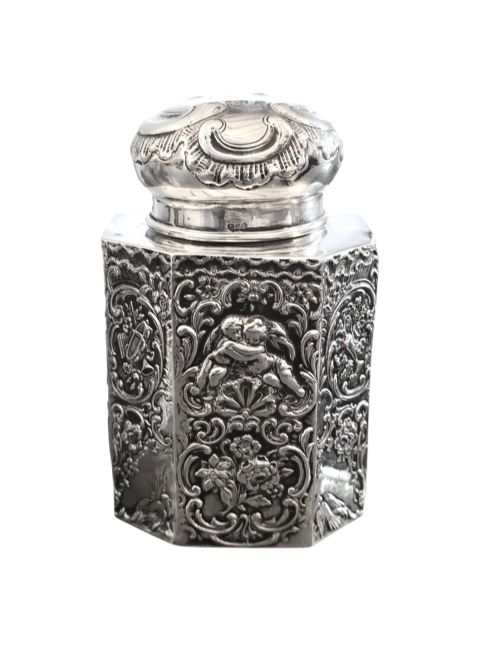
- A lidded vessel designed for storing tea leaves before they were blended in a teapot. Examples in this category demonstrate the range of domestic silver produced in provincial workshops.
Victorian Chester Silver: Frequently Asked Questions
What is victorian chester silver?
Victorian chester silver refers to silver items bearing the assay marks of the Chester office, active during the nineteenth century and later. These pieces include personal accessories, desk items, and domestic tableware.
The category is defined by the regional testing office rather than a single maker, encompassing diverse styles from plain utilitarian spoons to elaborate novelty figures.
What items were commonly made?
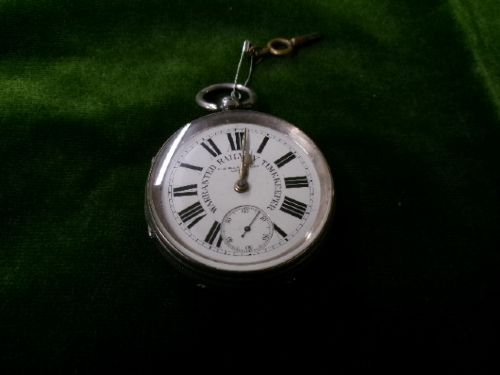
Provincial silversmiths produced a wide array of small goods, focusing heavily on personal accessories like vesta cases, pocket watches, and snuff boxes. Domestic items such as napkin rings, cream jugs, and tea caddies were also standard outputs.
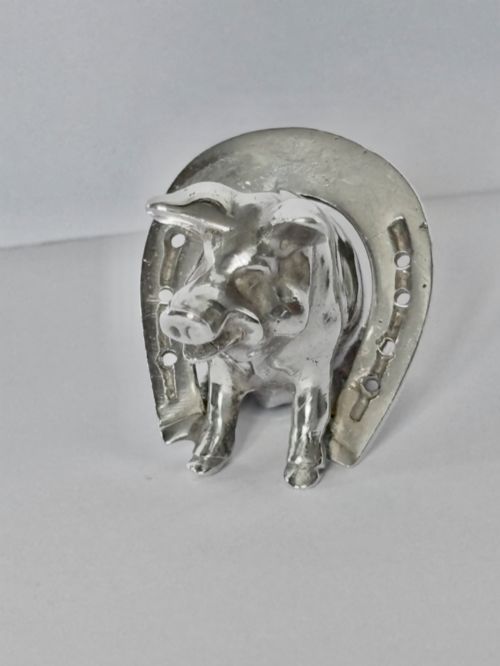
Novelty pieces, including animal figures and rattles, represent the more imaginative side of the Chester production.
How should I care for these items?
Silver smallwares require gentle cleaning with a soft cloth and a reputable silver polish to remove tarnish without wearing away engraved details or hallmarks. Care must be taken around applied elements such as enamel or mother of pearl.
Storing pieces away from damp environments and handling them by non-delicate sections preserves their condition and finish over time.