


Victorian Ceramic Server
These nineteenth-century domestic servants in glazed earthenware and porcelain bring colour and utility to the table.
Victorian Ceramic Server
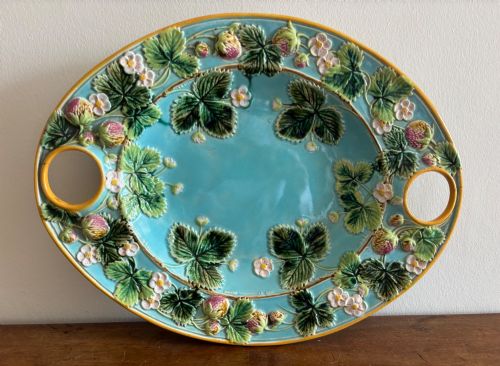
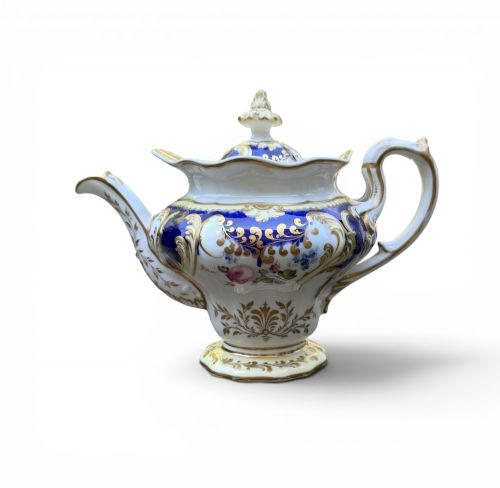
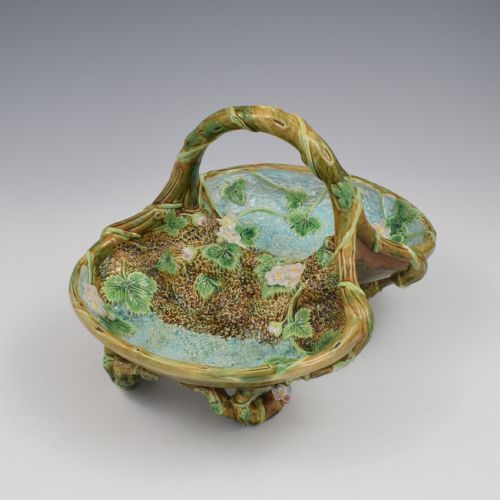
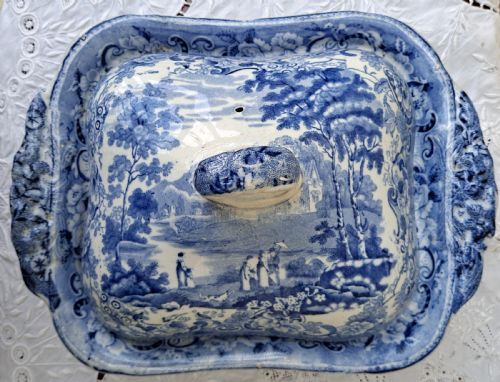
A Victorian ceramic server encompasses serving dishes, teapots, ceramic baskets, tureens, cabinet dishes, dessert sets, bowls and serveware, salad bowls, sardine boxes, fruit and strawberry baskets, trays, ice water jugs, and cheese dishes. These pieces originate from the nineteenth century, including specific dates such as eighteen-forty, eighteen-sixty-nine, eighteen-seventy-seven, eighteen-eighty, eighteen-ninety, nineteen-hundred, and nineteen-ten.
The versions most likely to be met on this page span styles such as Victorian, Rococo Revival, Late Victorian, Victorian Naturalism, Arts and Crafts, English Chinoiserie, Victorian Commercial Ware, and Victorian Chinoiserie. Makers represented in the listings include George Jones, James Wallace and Company, David Dewsberry, Walker and Hall, Frank Butler, Thomas Forester and Sons, and Copeland and Garrett, alongside materials like earthenware, porcelain, stoneware, ironstone china, and polished oak.
Materials and technique
Makers utilised earthenware, porcelain, stoneware, and ironstone china as the primary bodies for these serving pieces. These ceramic bases were then finished with glaze, glazed ceramic, gold leaf, or gilt to provide decorative surfaces and protective coatings.
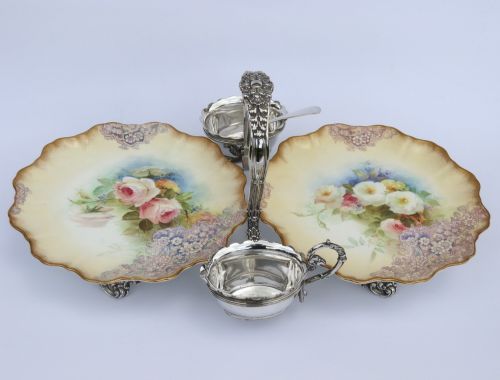
Metal components such as silver plate frequently accompany the ceramic bodies, particularly in serving sets and bowls equipped with matching servers. Hand painting and transfer printing techniques apply detailed patterns, floral motifs, and pictorial scenes directly onto the pottery or porcelain.
A pink fox tray from eighteen-sixty-nine demonstrates the Victorian appetite for turning humble serving dishes into miniature wildlife dioramas.
Variations in quality
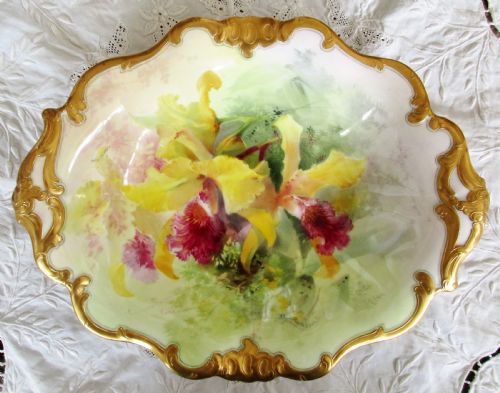
Quality in these pieces depends on the precision of hand-painted details, such as botanical illustrations of orchids or intricate fruit and animal models. The sophistication of the ceramic moulding, particularly in naturalistic or rococo revival forms, dictates the refinement of the item.
The integration of secondary materials, such as hallmarked silver plate mounts or fitted wooden bases, elevates the execution of the piece. Recognition of the work by named artists, factories, or potteries further distinguishes superior examples.
George Jones·James Wallace and Company·David Dewsberry·Walker and Hall·Frank Butler·Thomas Forester and Sons·Copeland and Garrett
The Victorian Ceramic Server Glossary
- Majolica
- A type of earthenware glazed with lead-based colours fired onto an opaque white tin glaze, known for vivid hues and naturalistic relief moulding.
- Ironstone China
- A patented ceramic body developed in the nineteenth century that mimics porcelain through high durability and strength.
- Tureen
- A deep covered bowl used for serving soups, vegetables, or sauces at the dining table.
- Transfer Printing
- A method of applying pre-printed engravings onto ceramic surfaces using tissue paper before glazing and firing.
- Cabinet Dish
- A decorative ceramic plate intended for display in a cabinet rather than for daily dining use.
Victorian Ceramic Server: Frequently Asked Questions
What were ceramic servers used for?
These pieces served specific culinary functions at the dining table, ranging from holding vegetables and soups in tureens to presenting cheese, fruit, or sardines in dedicated dishes.
Larger items like salad bowls and dessert sets accommodated group dining, while cabinet dishes functioned purely as ornamental display objects.
How do I date a Victorian server?
Dating relies on identifying recorded maker marks, registered design numbers, and specific stylistic markers associated with periods like the nineteenth century or nineteen-hundred.
Materials such as ironstone china, majolica glaze, and silver-plated mounts also correspond to active production eras documented by specific potteries.
Can I use these for daily dining?
Many nineteenth-century pieces were manufactured for practical utility, though age and delicate hand-painted surfaces require careful handling.
Items featuring gold leaf, delicate porcelain, or silver plate are generally better suited for occasional use or careful display.
What is the difference between earthenware and ironstone?
Earthenware is a porous ceramic body fired at lower temperatures, often seen in colourful majolica fruit baskets and decorative dishes.
Ironstone china is a denser, highly vitrified stoneware-type pottery designed for robust commercial and domestic service.