


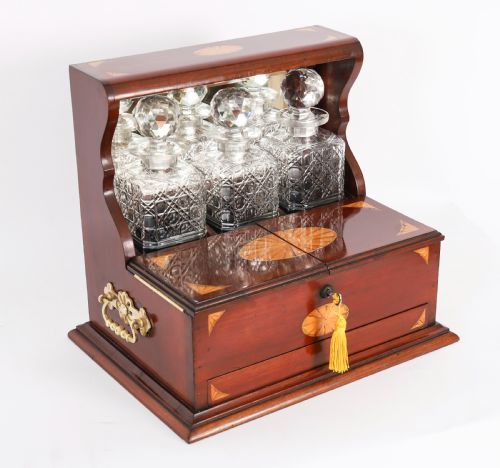


Victorian Cellarette Box
These robust victorian cellarette box items offer sturdy containment and secure storage for treasured bottles, combining practical utility with period craftsmanship.
Victorian Cellarette Box
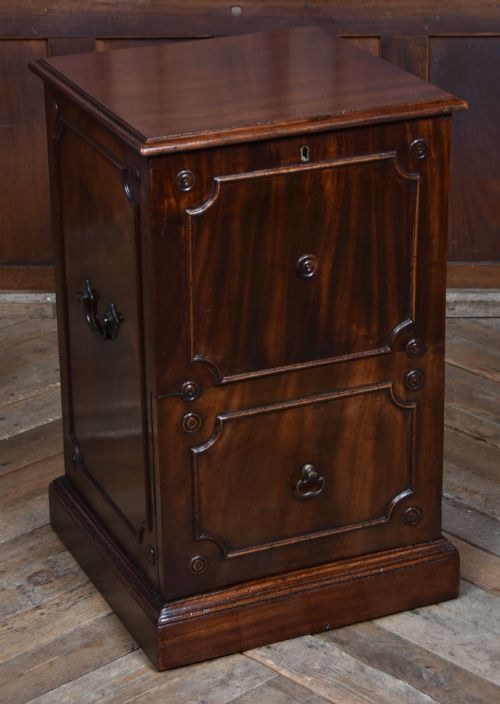
A victorian cellarette box serves as a specialised container designed to hold wine bottles, decanters, and drinking accessories safely within a domestic setting. These pieces emerge predominantly from nineteenth-century workshops, drawing on stylistic influences such as Regency, Georgian, and Victorian Gothic Revival.
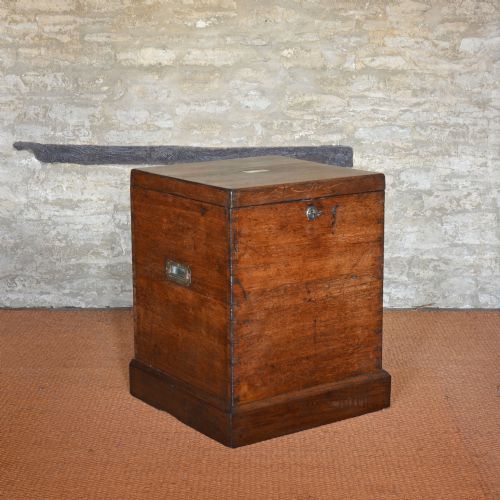
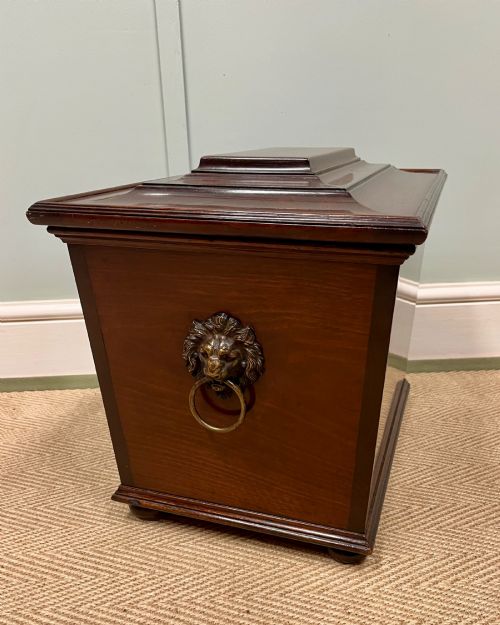
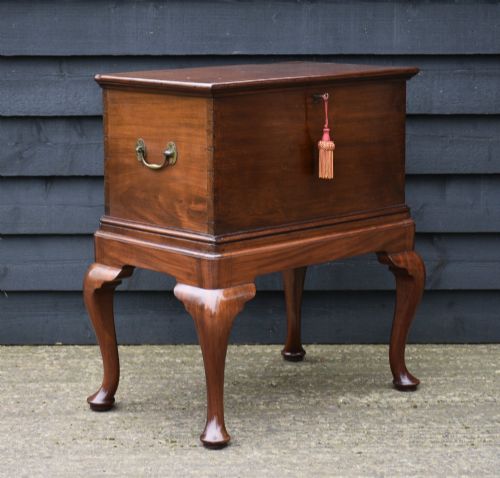
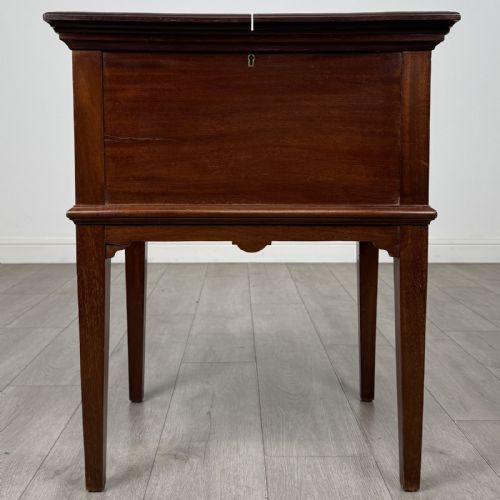
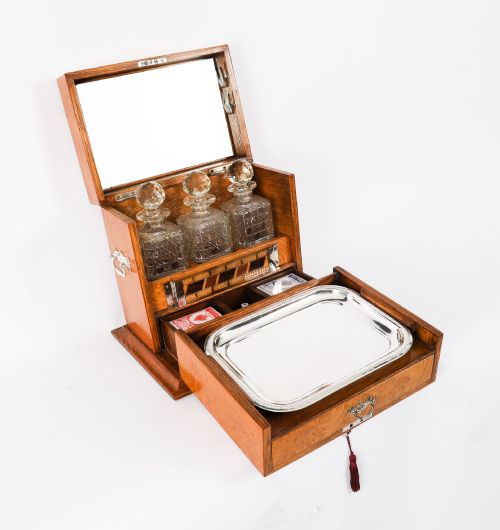
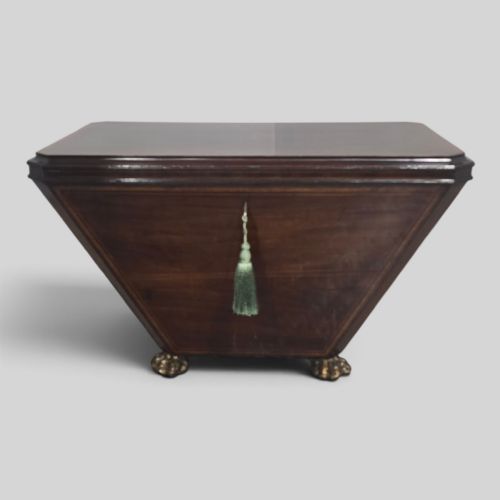
The most common formats encountered on this page include mahogany and oak decanter boxes, fitted tantalus sets, and traditional sarcophagus-shaped wine coolers. Many examples incorporate hinged lift-up lids, internal dividers, and hidden compartments tailored for glassware and games.
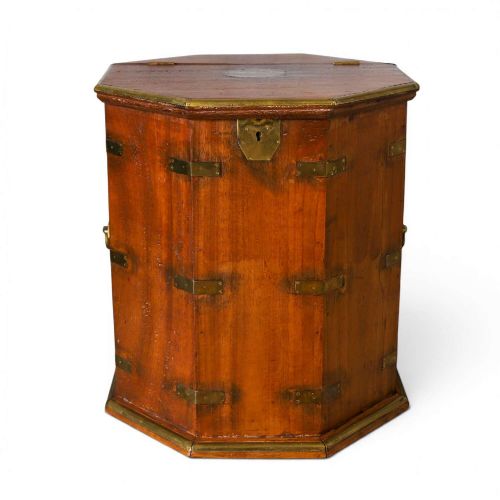
Makers utilised diverse woods like satinwood, walnut, and coromandel alongside brass hardware to construct these storage vessels. Pieces range from campaign-style chests to elaborate inlaid cabinets bearing specific cabinetmaker signatures.
Distinguishing quality across examples
The sophistication of internal joinery and the complexity of fitted compartments heavily influence the overall standard of a piece. Finer items integrate secret drawers, complex locking mechanisms, and high-grade satinwood or mahogany veneers.
Decorative elaboration through hand-carving, detailed brass mounts, and specialised wood inlay distinguishes standard utilitarian boxes from workshop-attributed luxury commissions. The choice of primary timber, from basic oak to exotic coromandel, dictates the tier of the finished object.
Victorian Cellarette Box Retail Price Guide 2026
Typical asking prices for victorian cellarette box among the pieces listed under this phrase on Sellingantiques today, from the lower quarter to the upper quarter. They describe what is for sale here now, not the wider market.
Listings span the nineteenth century, incorporating Victorian, Regency, and Georgian design influences alongside Campaign and Anglo-Indian styles.
Edwards and Roberts·Freemans of Norwich
The Victorian Cellarette Box Glossary
- Cellarette
- A lockable container designed originally for holding wine bottles near the dining table before decanting. They appear in forms ranging from freestanding furniture to tabletop boxes.
- Tantalus
- A locking beverage stand that holds decanters securely in place while displaying their contents. The locking mechanism prevents unauthorized access to the liquor inside.
- Sarcophagus
- A coffin-like architectural shape with a domed lid and tapered base utilised frequently for nineteenth-century wine coolers. This classical form lent an imposing presence to formal dining rooms.
- Coromandel
- A dense, heavily grained East Indian timber valued for its rich dark brown colour and contrasting light streaks. Cabinetmakers reserved this expensive wood for high-end Victorian decorative boxes.
Victorian Cellarette Box: Frequently Asked Questions
What is a victorian cellarette box used for?
These boxes were historically built to store wine bottles and decanters safely away from servants and household pests. Interiors typically featured fitted partitions to keep glass bottles from clinking together during transport or storage.
Today, they serve equally well as decorative side tables or secure cabinets for modern spirits and glassware collections. Their compartmented interiors adapt easily to storing small accessories, games, or barware.
Which woods are most common?
Mahogany and oak dominate the surviving examples, reflecting the preferred durable hardwoods of nineteenth-century British cabinetmakers. Figured grain patterns were selected to enhance the visual appeal of exterior surfaces.
More elaborate items utilise exotic timbers like satinwood, walnut, or coromandel. Brass mounts and handles appear frequently across all timber varieties to reinforce corners and aid lifting.
Where should I place mine?
These sturdy wooden boxes suit dining rooms, studies, or living spaces where they can function as occasional tables or surface display stands. Placing them away from direct heat sources protects the antique wood and veneer from drying out.
Their hinged lids and deep compartments make them practical for everyday use as functional drink cabinets or storage chests. Ensure the supporting surface is level to accommodate the weight of dense hardwood and glass.