



Victorian Cast Iron Tool
These robust pieces of victorian cast iron tool hardware bring industrial utility and period domestic function to any hearth or workshop.
Victorian Cast Iron Tool
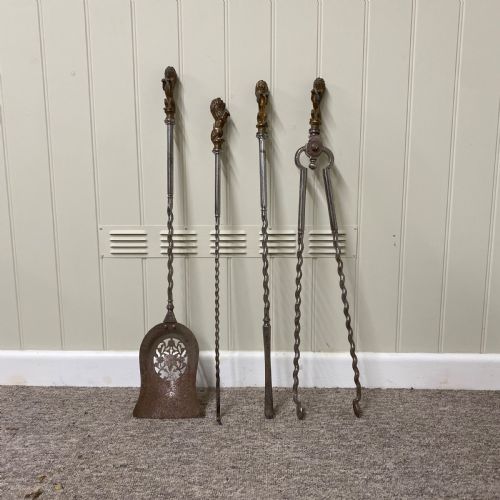
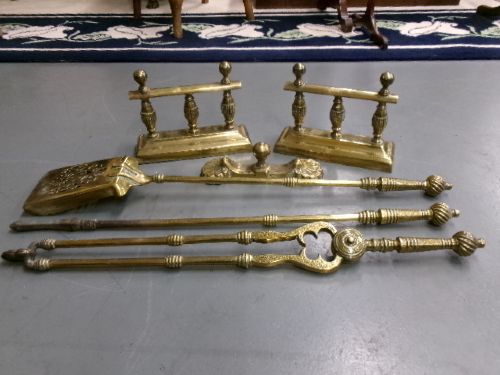
A victorian cast iron tool encompasses a diverse range of utilitarian objects, from heavy hearth furniture to workshop implements and trade devices. Buyers searching this phrase most frequently encounter fireplace accessories, companion sets, and functional workshop equipment spanning the nineteenth century.
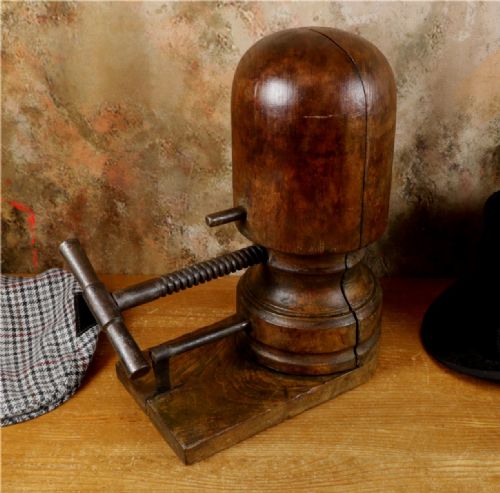
The selection includes specialised items such as cobblers leg anvils, blacksmith anvils, cork presses, and millinery equipment alongside traditional fire irons and andirons. Pieces originate from diverse contexts, including English workshops, French studios, and domestic settings.
Forms range from simple, unadorned industrial gear to ornate Gothic revival and French Art Nouveau designs. The unifying element across these objects is the heavy, durable metal construction designed for enduring practical use.
Materials and construction methods
Makers utilised cast iron as the primary medium for strength and rigidity, often combining it with wrought iron, steel, and brass for specific functional components. Wooden elements, including hardwood handles and stretcher blocks, frequently appear alongside the metal work to provide grip or operational leverage.
Foundries employed traditional casting techniques to shape the molten metal into structural frames, decorative stands, and robust anvils. Surface treatments such as painted finishes and applied brass details added decorative contrast to the utilitarian black iron.
Victorian Cast Iron Tool Retail Price Guide 2026
Typical asking prices for victorian cast iron tool among the pieces listed under this phrase on Sellingantiques today, from the lower quarter to the upper quarter. They describe what is for sale here now, not the wider market.
Listings feature items from the Victorian, Regency, and Georgian periods, utilising cast iron, brass, steel, and hardwood.
Assessing quality in period metalwork
Quality in these pieces depends upon the crispness of the casting and the proportional balance of the design. Superior examples display clean lines and well-defined decorative motifs without excessive surface pitting or distortion from the original mould.
Weight and structural integrity distinguish finer specimens from standard utility ware. Items that retain their original paired components, complementary rests, and matching brass fittings demonstrate greater historical completeness and manufacturing care.
The Victorian Cast Iron Tool Glossary
- Cast iron
- A hard, brittle alloy of iron and carbon poured into moulds to form complex shapes. It provides exceptional weight and durability for hearth and workshop implements.
- Andirons
- Horizontal metal bars supported by legs, placed in a fireplace to hold logs above the hearth floor. They frequently accompany matching fire iron sets.
- Companion set
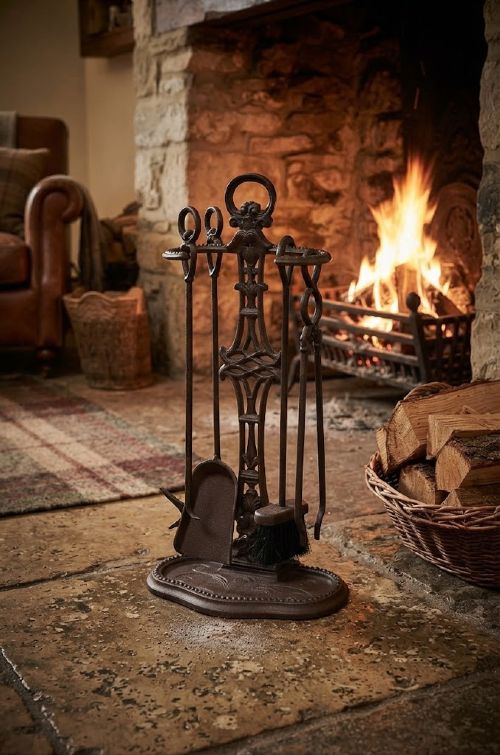
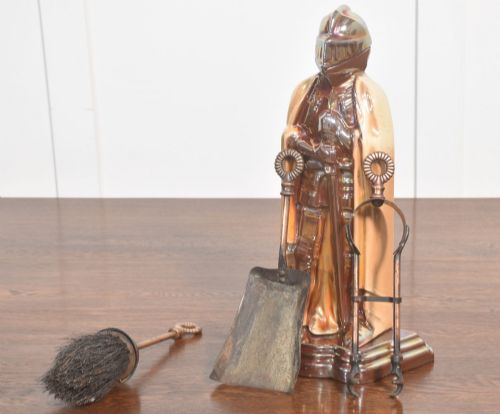
- A matched collection of fireplace tools, typically comprising a shovel, tongs, and poker, arranged on a shared stand or rest.
- Hat stretcher
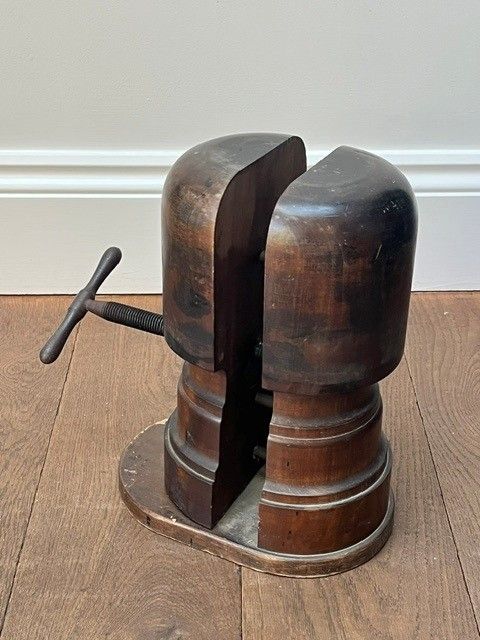
- A mechanical device utilised by milliners to expand and shape hats to precise head measurements. These wooden and metal tools reflect nineteenth-century trade practices.
- Anvil
- A heavy block of iron or steel with a flat top surface upon which metal is struck. Blacksmith and cobbler variants served specific industrial shaping tasks.
Victorian Cast Iron Tool: Frequently Asked Questions
What are victorian cast iron tools?
These objects are durable implements and hardware produced during the nineteenth century for domestic hearths and trade workshops. They combine functional utility with the characteristic aesthetic styles of the period.
The inventory spans fireplace accessories like pokers and stands alongside specialised trade equipment including anvils, cork presses, and hat stretchers.
How were fire tools used?
Fireside implements managed burning coal or wood within open hearths, allowing occupants to adjust fuel, tend embers, and clean ash safely.
Companion sets kept these matching implements organised on dedicated stands or beside heavy metal rests when not in active service.
How do I date these items?
Dating relies on stylistic indicators such as Gothic revival motifs, Art Nouveau curves, or standard Victorian proportions recorded across the listings.
Manufacturing techniques and material combinations, such as cast iron paired with brass or hardwood, also help place pieces within the broader nineteenth-century timeline.
Are these tools suitable for daily use?
Many solid metal items retain their structural integrity and function effectively for their original purposes around modern hearths or in workspaces.
Heavier decorative or trade pieces often transition well into contemporary interiors as statement display objects or specialised desktop accessories.