


Victorian Cased Thimble
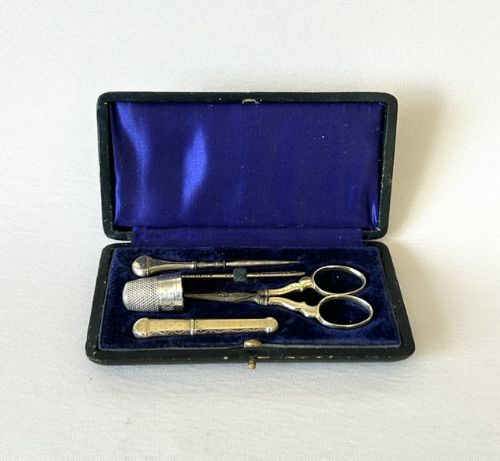
These victorian cased thimble pieces are miniature works of domestic art, housed in protective shells and designed to preserve the sewing tools of the past.
Victorian Cased Thimble
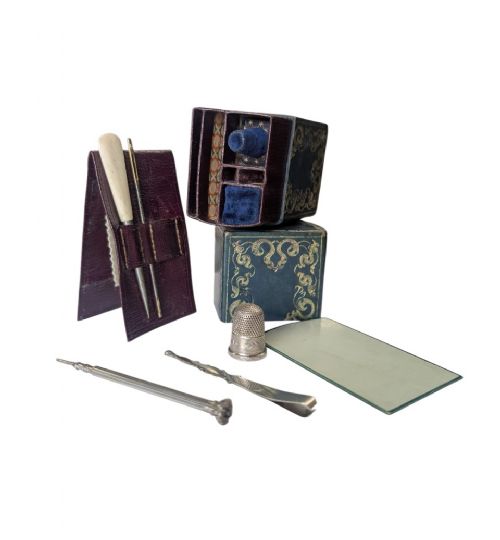
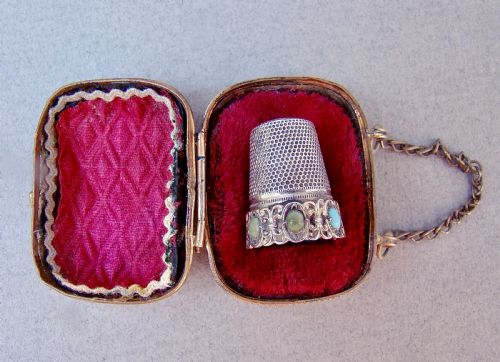
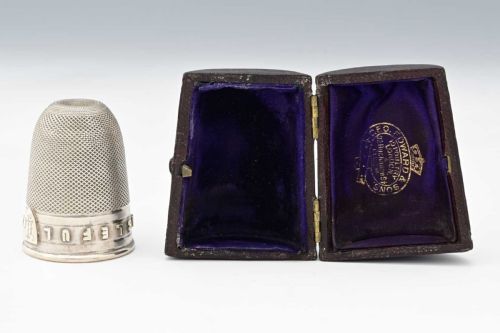
A victorian cased thimble comprises a small sewing implement paired with a dedicated housing, ranging from fitted leather boxes to novelty silver holders. Buyers looking at this phrase encounter everything from simple bone containers to elaborate ormolu chatelaine cases.
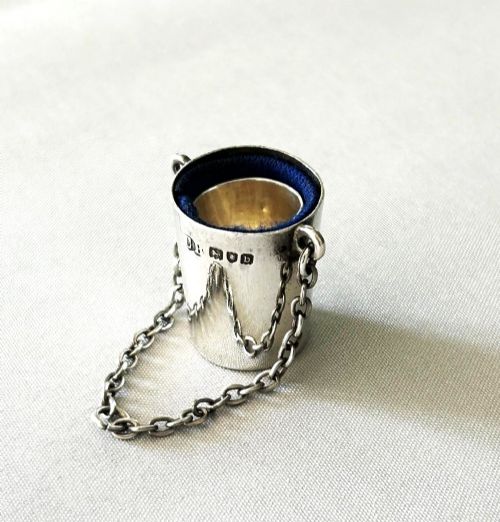
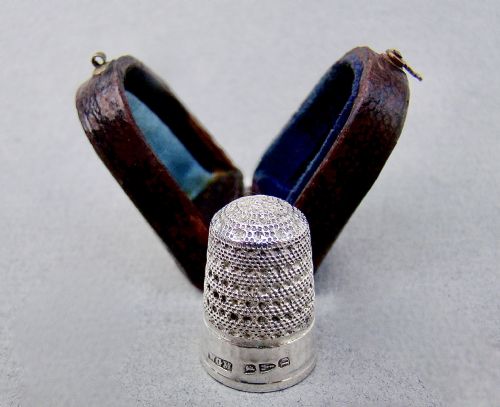
The version met most often on this page is the silver thimble enclosed within a protective Victorian case, frequently marked by provincial assay offices. These items sit alongside larger sewing compendiums and novelty silver buckets designed to resemble miniature vessels.
How they were made
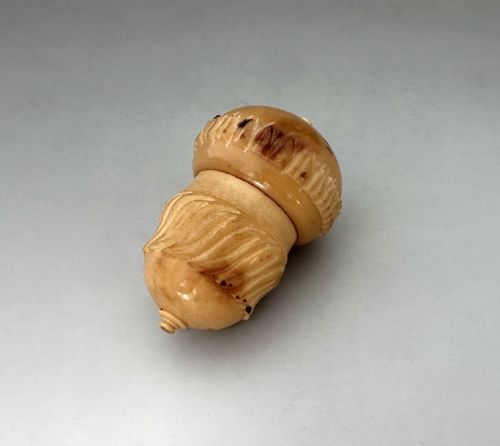
Makers utilised sterling silver and silver gilt alongside natural materials such as corozo nut, bone, tortoiseshell and carved fruit wood. These rigid elements were combined with tactile linings of velvet, silk and leather to cradle the thimble securely inside its container.
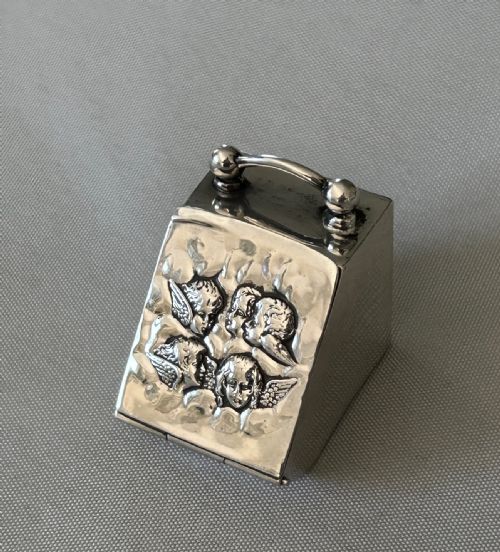
Metal components involved stamping, casting and detailed engraving, while novelty forms required precise articulation to create miniature coal scuttles, egg-shaped holders and buckets. Wooden and nut cases relied on intricate hand carving to shape the outer shell.
One novelty silver tumbler is inscribed with the encouraging phrase "just a thimbleful".
What varies in quality
Quality rests upon the crispness of the metalwork and the originality of the housing, where sharper hallmarks and defined engraving distinguish standard pieces from superior examples. The intricacy of novelty forms, such as articulated handles or spring clasps, marks out the work of better makers.
The condition of the interior lining matters greatly, with intact velvet or silk adding to the preservation of the object. Cases that retain their original pairing of thimble and container demonstrate a higher degree of historical integrity.
Walter and George Myers·Charles Horner·Laurence Emanuel·Samuel Foskett·Henry Griffith and Sons Ltd
The Victorian Cased Thimble Glossary
- Silver gilt
- Sterling silver that has been coated with a thin layer of gold, providing a rich yellow lustre to sewing accessories.
- Corozo nut
- A dense, hard seed kernel used as a natural organic material for carving detailed miniature cases.
- Ormolu
- Gilded bronze or brass mounts and housings used extensively for decorative Victorian novelty containers.
- Assay office
- An official body that tested precious metals and stamped items with town marks and date letters to guarantee purity.
Victorian Cased Thimble: Frequently Asked Questions
What is a victorian cased thimble used for?
These items served a practical domestic purpose in the nineteenth century, protecting delicate sewing needles and thimbles from dust and damage.
They were kept on dressing tables or suspended from chatelaines for portable needlework throughout the day.
How do I identify a novelty silver thimble case?
Novelty cases take whimsical shapes, such as coal scuttles, miniature buckets or egg-shaped holders, rather than standard fitted boxes.
They often incorporate hinged lids or opening mechanisms to reveal the silver thimble nestled inside.
What materials are common in these cases?
The exterior housings frequently employ sterling silver, carved fruit wood, tortoiseshell, corozo nut or ormolu.
Interiors are typically lined with soft materials like silk, velvet or leather to cushion the thimble.
How can I tell the period of a cased thimble?
Silver components often bear hallmarks indicating the assay office and date letter, pointing directly to Victorian or Edwardian production years.
Stylistic cues such as French or Black Forest carving styles also help place the origin of the wooden and metal containers.