

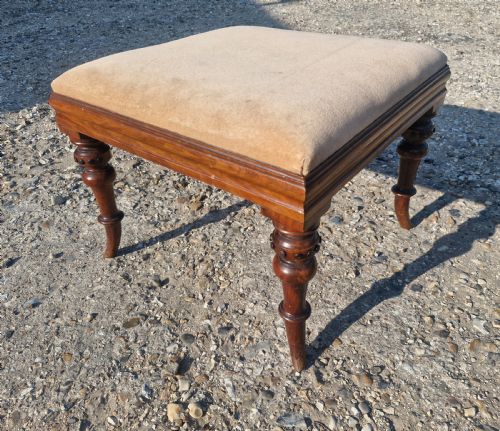
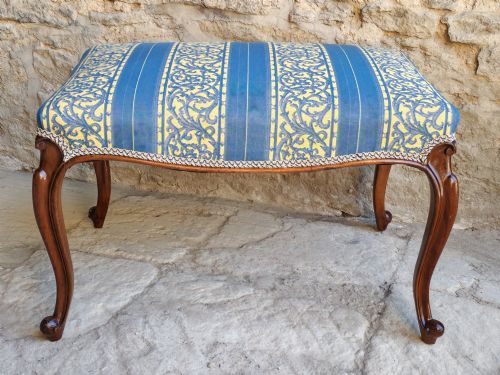
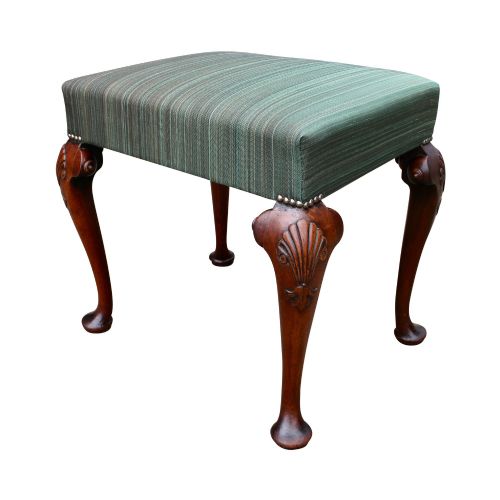
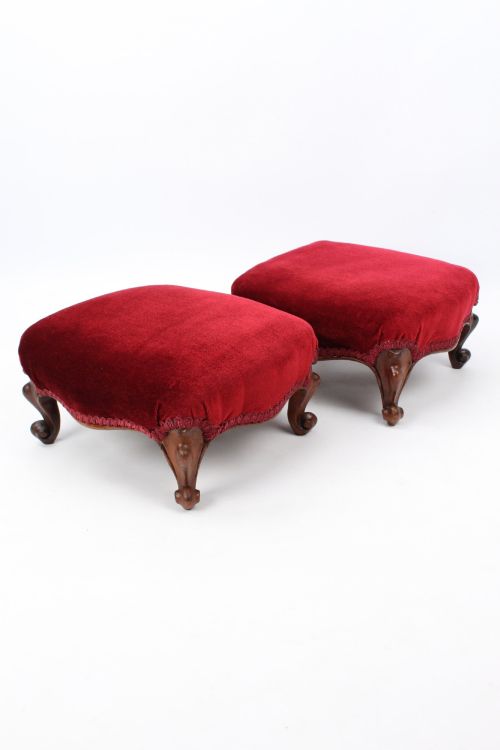
Victorian Carved Walnut Stool
A victorian carved walnut stool offers solid timber framing and rich upholstery, bringing practical seat height and period character to any room.
Victorian Carved Walnut Stool
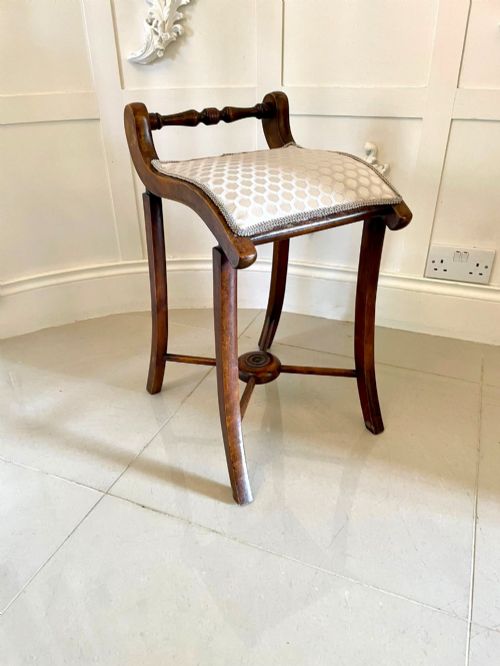
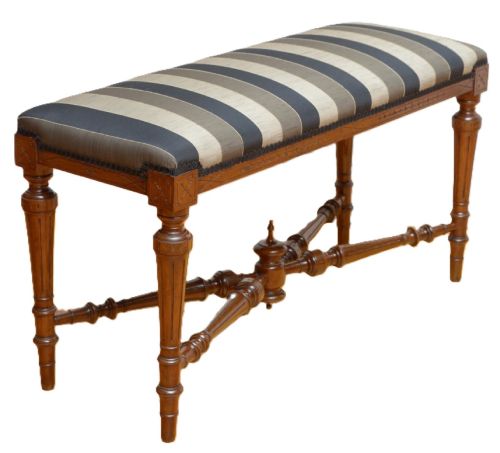
A victorian carved walnut stool is a domestic seating piece constructed from figured timber and shaped by nineteenth-century cabinet makers. The form spans low footstools, revolving piano mechanisms, and larger centre benches designed for drawing rooms.
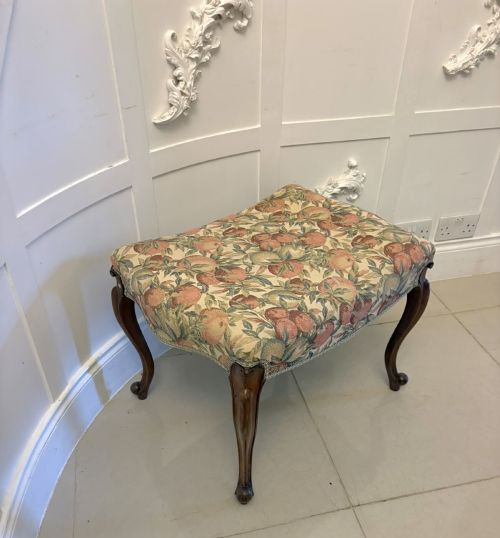
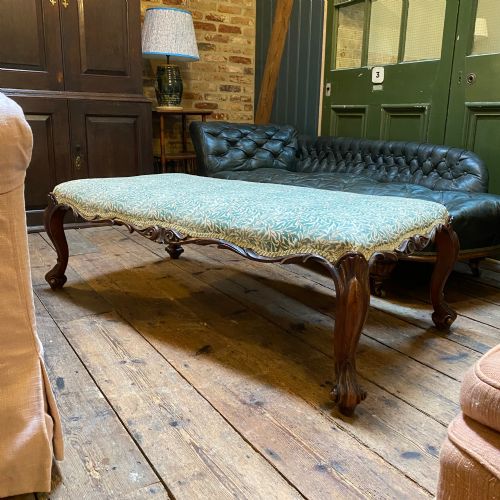
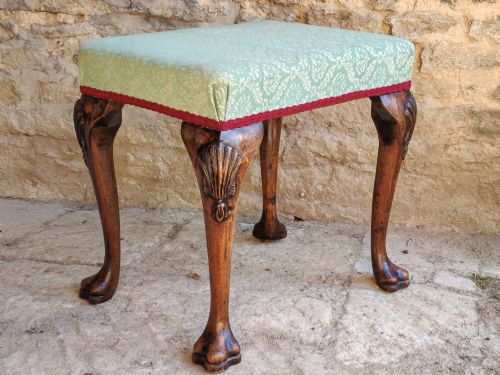
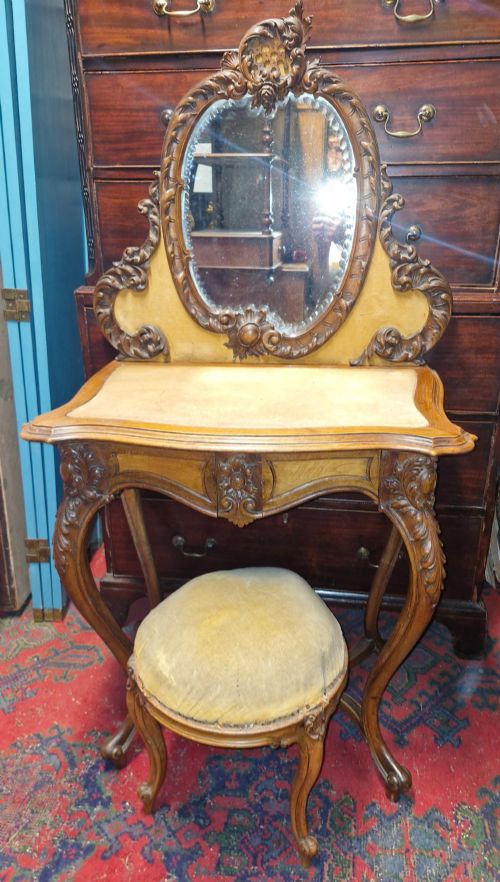
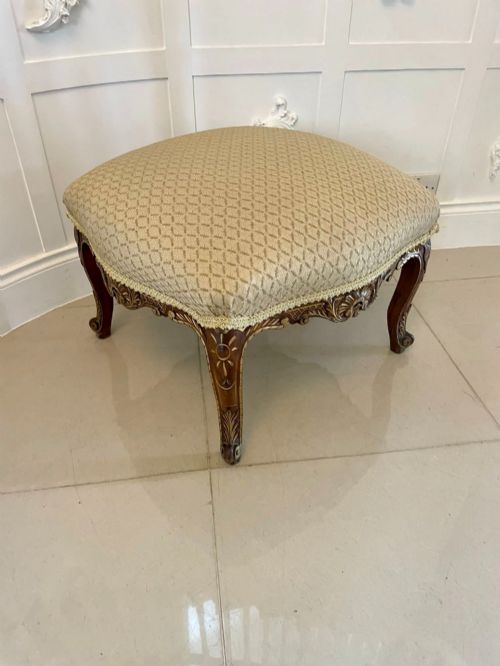
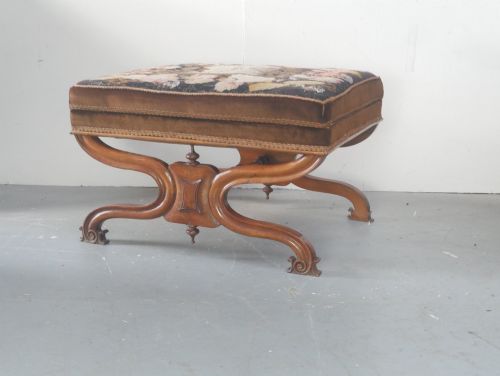
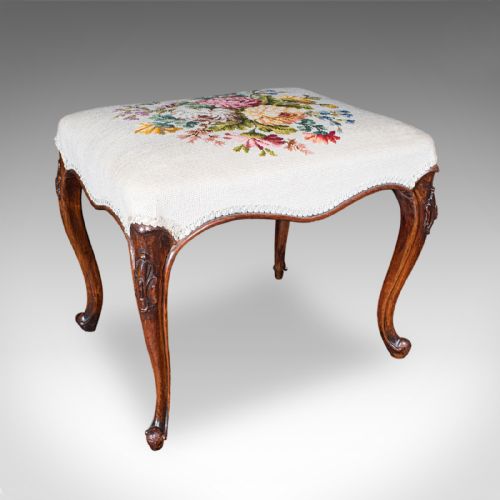
Most examples found here date from the mid to late nineteenth century, displaying carved cabriole legs, scrollwork, or X-frame supports. They function as versatile foot rests, dressing table seats, or small freestanding occasional stools.
The aesthetic draws heavily on revival movements, incorporating Queen Anne cabriole legs, Rococo curves, and occasional Scottish Baronial detailing into compact timber frames.
How they were made
Makers utilised solid walnut for its dense grain and capacity to hold crisp, hand-chiselled relief carving along the rails and cabriole legs. Frames were joined using traditional timber joinery, sometimes supplemented by brass fittings for adjustable height mechanisms on music and piano stools.
Upholstery relied on textile coverings such as wool tapestry, needlepoint, beadwork, velvet, or leather fixed over stuffed padding. Edges were frequently secured with decorative brass tacking or braid to finish the seat perimeter.
Victorian Carved Walnut Stool Retail Price Guide 2026
Typical asking prices for victorian carved walnut stool among the pieces listed under this phrase on Sellingantiques today, from the lower quarter to the upper quarter. They describe what is for sale here now, not the wider market.
Look out for occasional turtle-shaped footstools creeping out of the woodwork to keep your ankles company.
What varies in quality
The distinction between standard pieces and the finest examples rests on the depth and definition of the timber carving. Superior work displays hand-carved ornamentation with sharp relief on the knees and frame rails, rather than shallow or mechanical shaping.
Construction heft and timber selection also divide the range, with dense figured walnut frames outlasting lighter alternatives. Original upholstery materials and intact mechanical revolving mechanisms elevate the integrity of surviving specimens.
The Victorian Carved Walnut Stool Glossary
- Cabriole leg
- A furniture leg that curves outward at the knee and tapers inward to an ankle, echoing animal limbs. This form appeared frequently on mid-nineteenth-century seating.
- Revolving stool
- A seat featuring a threaded wooden spindle or mechanical screw mechanism allowing the top to rotate for height adjustment. These were common in music rooms and parlours.
- Needlepoint
- A form of counted thread embroidery stitched onto canvas to create durable pictorial or geometric seat covers. It is frequently seen on nineteenth-century footstools.
- X-frame
- A structural base formed by two intersecting curved or straight timber members shaped like the letter X. This support design provides stability to low benches and stools.
Victorian Carved Walnut Stool: Frequently Asked Questions
Where were these stools used?
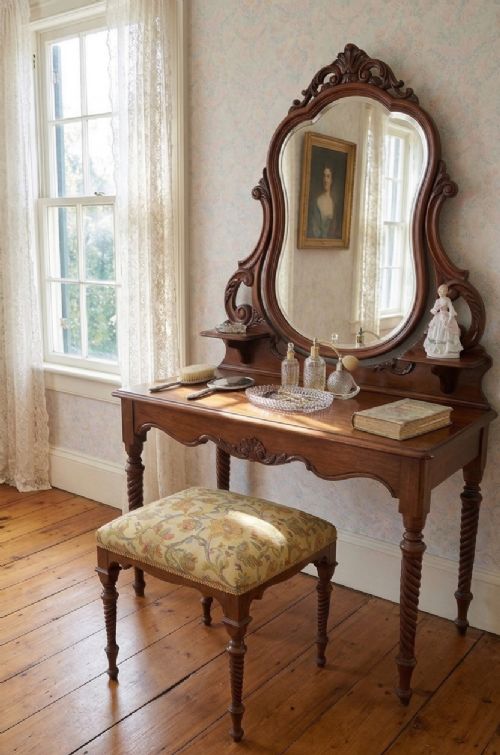
These seats were placed beside pianos for musicians, in front of dressing tables, or near firesides as low foot rests. Larger centre benches occupied the middle of Victorian reception rooms.
Their compact size allowed them to be moved easily around the home to provide extra seating when guests visited.
How do I maintain the walnut wood?
Keep the timber away from direct heat sources and strong sunlight to prevent the walnut surface from drying out or fading. Periodic application of a traditional wax polish maintains the lustre of the grain.
Avoid using modern silicone sprays, which can build up a residue on antique wood surfaces over time.
Are the upholstery covers original?
Many pieces retain later replacement textiles such as linen, velvet, or modern leather, while others preserve period needlepoint or beadwork seats. Re-upholstering was common practice to refresh worn fabrics over decades of domestic use.
Checking the underside reveals whether the webbing and stuffing retain their nineteenth-century characteristics or have been renewed.
How do I identify the period?
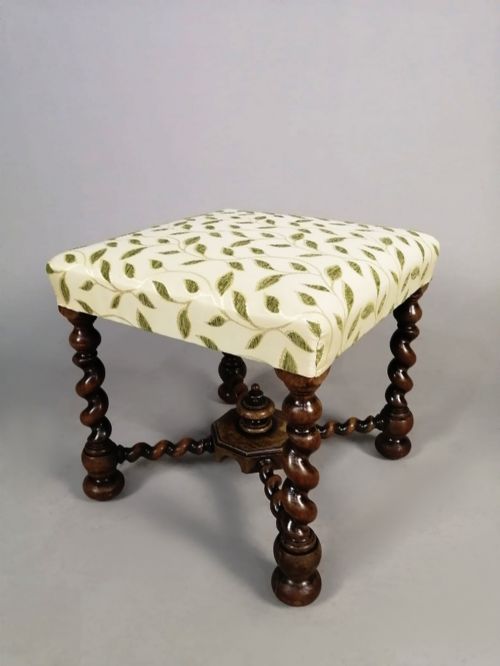
Stylistic clues such as cabriole legs point to mid-Victorian revival influences, while spiral turnings often indicate William and Mary design revivals from the 1850s. Mechanical screw threads on music stools also point towards nineteenth-century manufacturing methods.
Joinery techniques and timber patination help distinguish authentic nineteenth-century production from later revivals.