



Victorian Carved Scroll Ring
These victorian carved scroll ring examples combine period character with classic gold and gemstone settings.
Victorian Carved Scroll Ring
A victorian carved scroll ring unites nineteenth-century craftsmanship with distinct ornamental scroll motifs set into precious metal bands. When browsing this selection, buyers encounter pieces defined by period details, shaped shoulders, and secure mounting techniques.
The objects appearing here span the Victorian era, Edwardian period, and subsequent decades into the early twentieth century. Most examples utilise either 9ct or 18ct yellow gold, often incorporating gemstones such as diamonds, rubies, sapphires, turquoises, and opals.
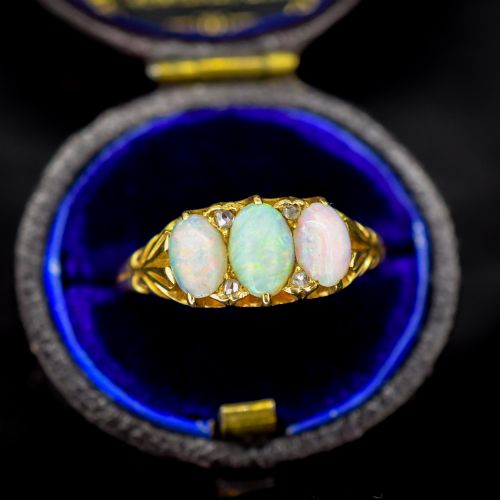
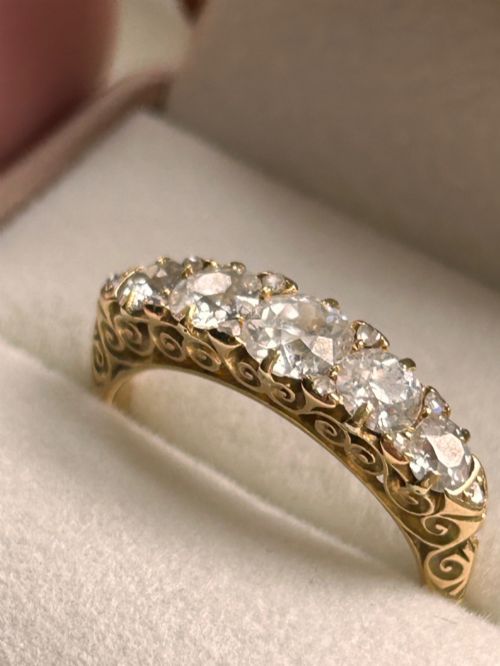
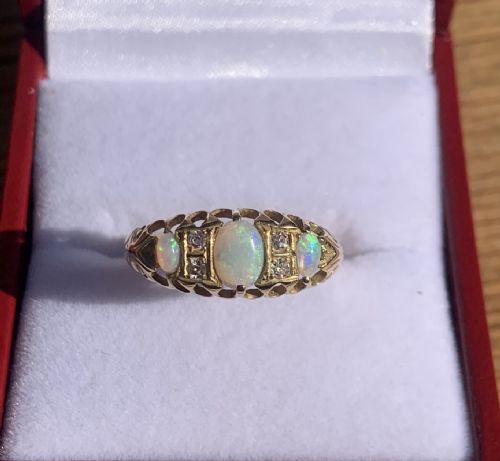
Ring forms on this page include five stone configurations, boat shapes, starburst clusters, and trilogy arrangements. These designs reflect the aesthetic preferences of the nineteenth century and the early twentieth century while remaining wearable today.
How they were made
Makers shaped these rings primarily from 9ct gold, 15ct yellow gold, and 18ct gold, building durable bands to support delicate stone settings. Metals were cast and hand-finished to create the characteristic scroll shoulders and decorative galleries seen across the period.
Gemstones including old cut diamonds, rubies, sapphires, turquoises, and amethysts were secured into the gold mounts using flush, gypsy, or claw settings. Goldsmiths carved the metal directly to form scrolling patterns and structural support for the stones.
Victorian Carved Scroll Ring Retail Price Guide 2026
Typical asking prices for victorian carved scroll ring among the pieces listed under this phrase on Sellingantiques today, from the lower quarter to the upper quarter. They describe what is for sale here now, not the wider market.
Object forms on this page include five stone rings, boat settings, and starburst clusters dating from the nineteenth century onward.
What varies in quality
Quality in a victorian carved scroll ring depends upon the crispness of the carved scrollwork and the structural integrity of the gold band. Finer examples maintain sharp detail along the shoulders and secure settings that hold each gemstone firmly in place.
The choice of materials also distinguishes the range, with higher carat gold and matched natural gemstones such as diamonds, rubies, and sapphires representing superior craftsmanship. The precision of the old cut diamond placement and the depth of the metal carving determine the distinction between standard and exceptional pieces.
The Victorian Carved Scroll Ring Glossary
- Scroll
- A decorative carved motif resembling a spiral or rolling wave, frequently shaped into the shoulders of period rings. This design element provides organic movement to the metalwork.
- Old Cut
- A historic diamond cutting style characterised by a high crown, small table, and deep pavilion, designed to catch candlelight. These stones display hand-faceted symmetry typical of nineteenth-century gem cutting.
- Boat Ring
- A ring featuring a curved, boat-shaped setting that tapers toward the ends, often housing multiple gemstones in a row. This style was popular during the Victorian and Edwardian eras.
- Gypsy Set
- A mounting technique where a gemstone is embedded flush into the thick metal band so that the surface of the stone sits level with the gold. This style offers a smooth profile suited to everyday wear.
- Trilogy
- A ring set with three stones, traditionally representing the past, present, and future. In period pieces, these stones are frequently diamonds paired with rubies, sapphires, or opals.
Victorian Carved Scroll Ring: Frequently Asked Questions
What periods do these rings come from?
The listings span the Victorian era, the Edwardian period, and early twentieth-century decades up to the 1930s. Each piece reflects the stylistic preferences and goldsmithing techniques of its specific decade of origin.
Dates are assigned based on hallmarks, stylistic evidence, and documented manufacturing periods of the nineteenth and twentieth centuries.
What metals are used in these rings?
Makers utilised 9ct gold, 15ct yellow gold, and 18ct gold for the bands and settings. These gold alloys provided the necessary durability for detailed carving and stone mounting.
Yellow gold is the predominant metal colour seen across these historical rings, often complemented by silver-topped settings in specific period pieces.
How do I care for an antique ring?
Antique rings require gentle handling due to their age and delicate scrollwork. Avoid wearing them during physical activities or exposing them to harsh cleaning chemicals.
Store each ring individually in a soft pouch and have the settings checked periodically by a professional jeweller to ensure the stones remain secure.
Are the gemstones natural?
The listings include natural gemstones such as diamonds, rubies, sapphires, turquoises, opals, and amethysts, alongside occasional paste stones. Old cut diamonds and coloured gems reflect the natural materials available to nineteenth-century jewellers.
Gemstone selection varies by piece, with higher-end examples featuring fine matched rubies or diamonds set within 18ct gold.