
Victorian Carved Mantle
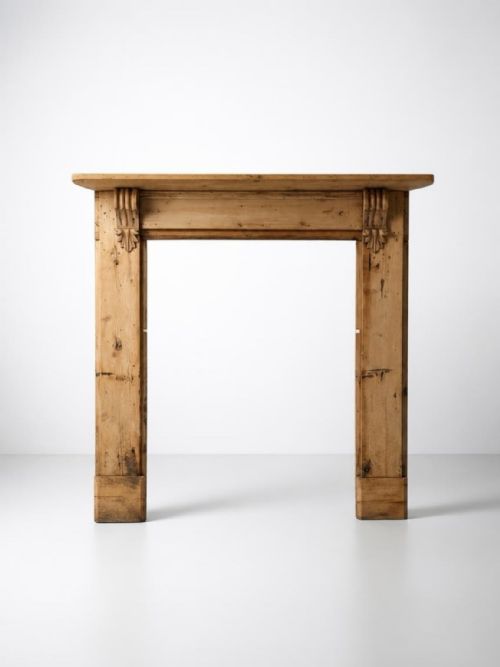
A victorian carved mantle brings architectural presence to a room, offering grand proportions and traditional craftsmanship that immediately anchors a fireplace.
Victorian Carved Mantle
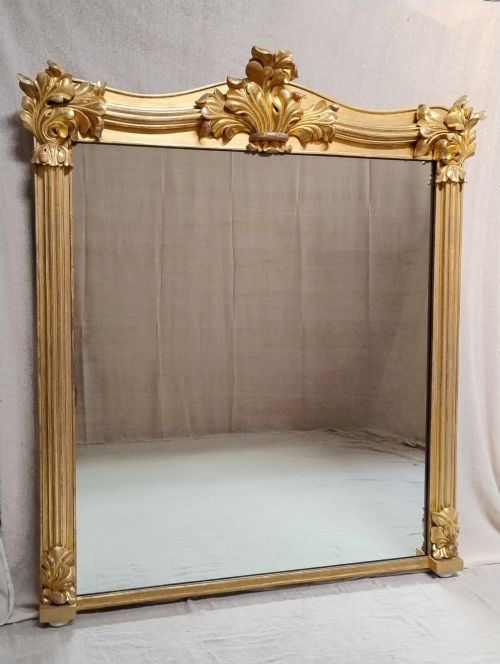
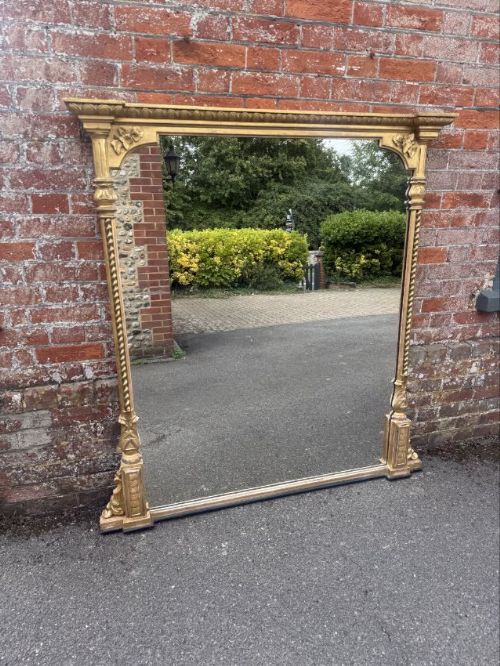
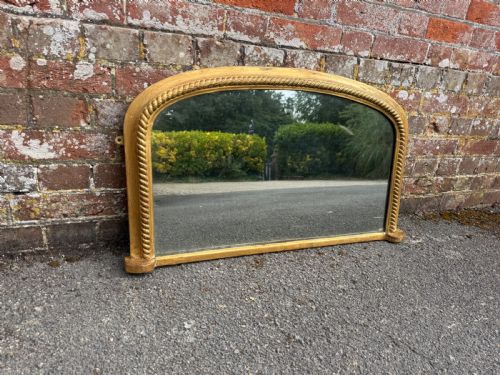
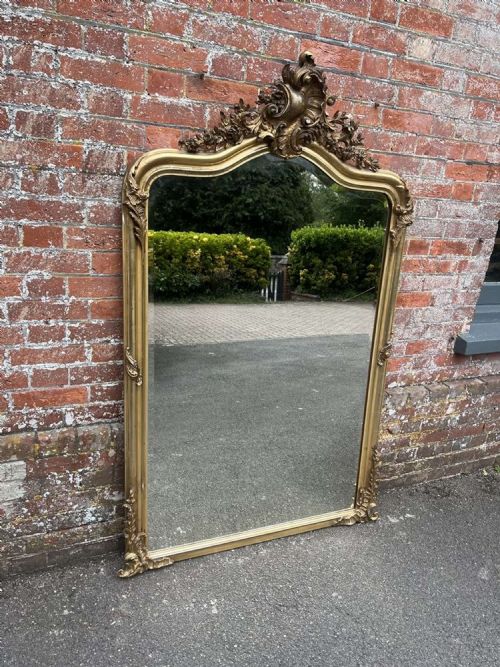
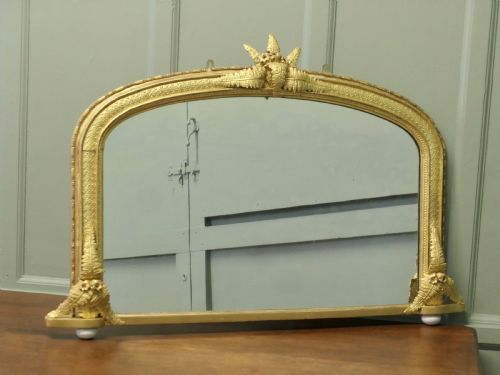
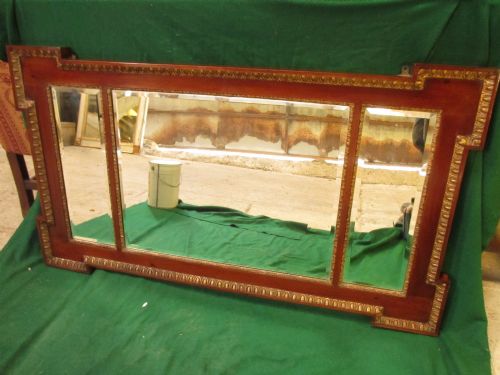
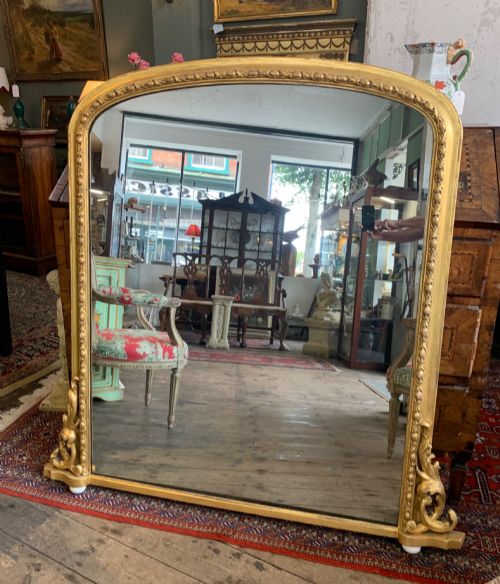
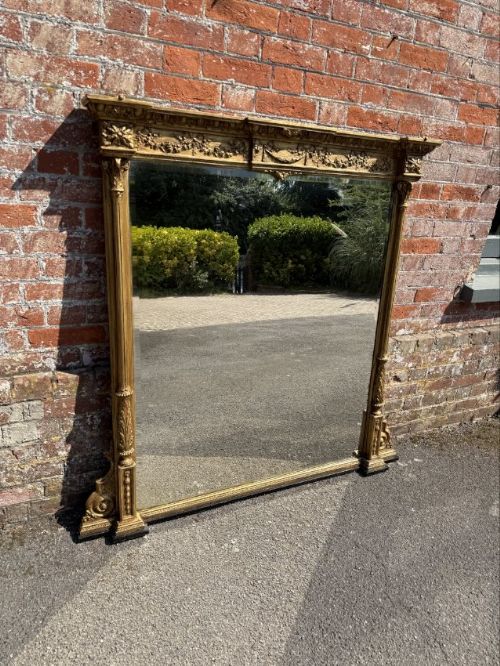
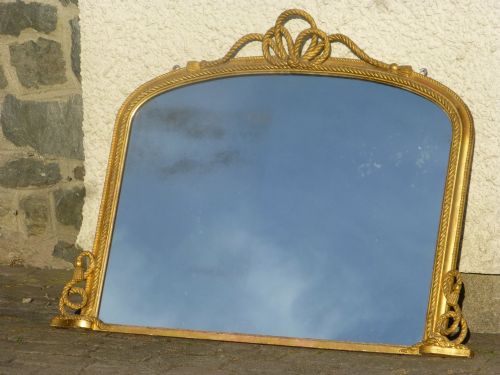
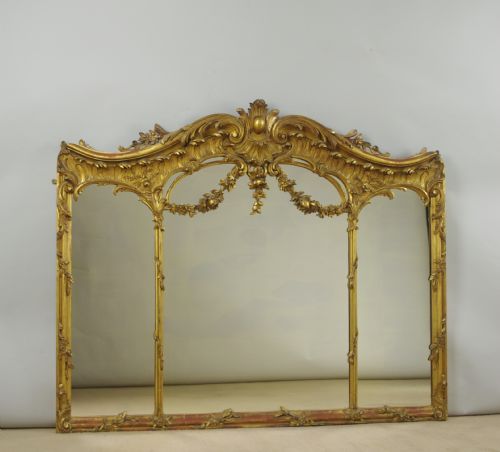
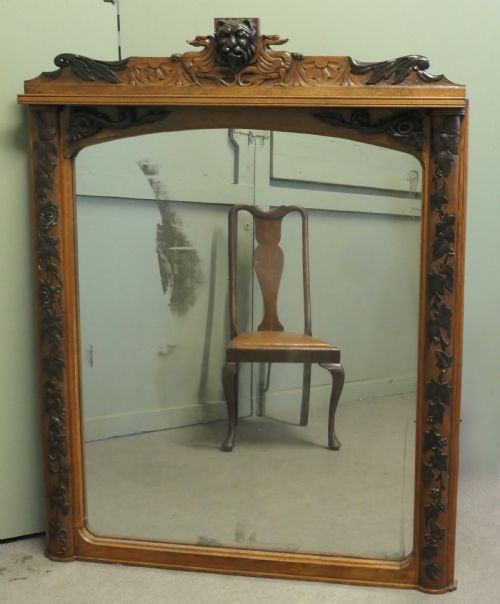
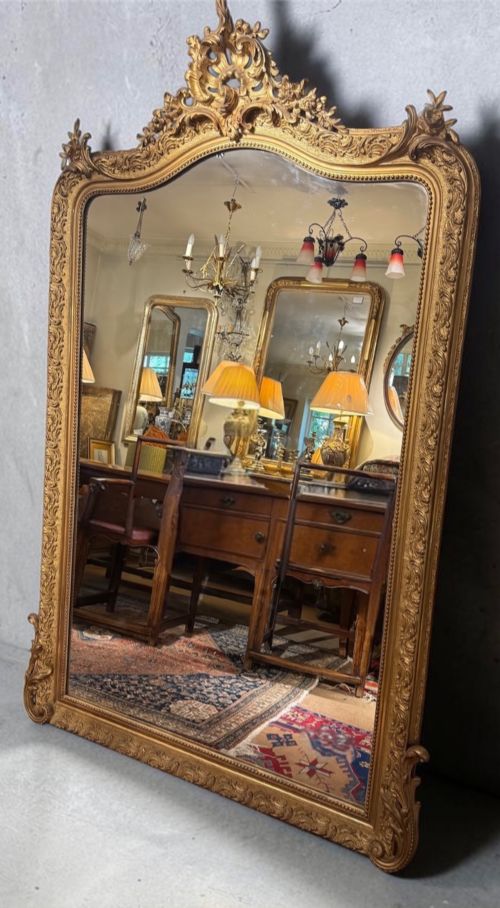
When searching for a victorian carved mantle, buyers encounter a diverse selection of overmantel mirrors, architectural fire surrounds, and occasional mantel clocks spanning the nineteenth century. The most prevalent pieces on this page are large overmantel mirrors designed to sit directly above a fireplace, often featuring arched tops or triple plate configurations.
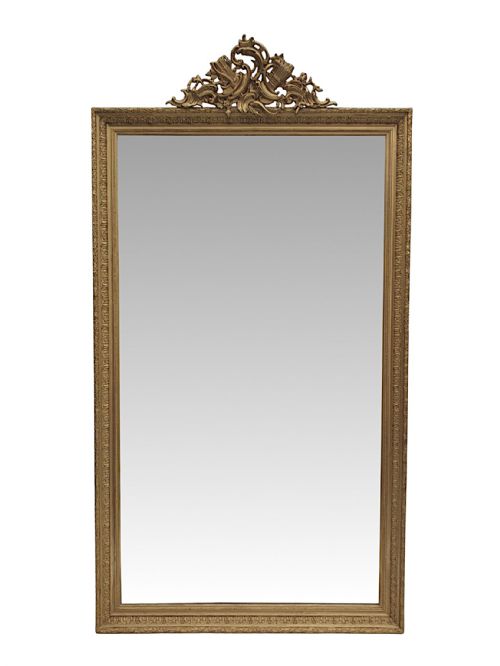
Origins range from English workshops to French provincial makers, drawing on stylistic influences such as Rococo Revival, Gothic Revival, and Regency. Pieces transition from mid-nineteenth century classical symmetry to heavier, more elaborate decorative carving characteristic of later decades.
How They Were Made
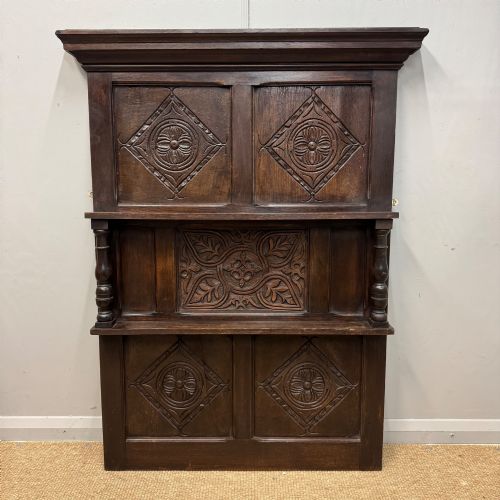
Carved wooden foundations of pine, oak, mahogany, or walnut formed the structural core of these items, shaped using traditional joinery and hand-carving techniques. Overmantel mirrors frequently utilised applied gesso over carved wood to build up intricate relief decoration such as rope twists, columns, and floral motifs before gilding.
Surface ornamentation relied heavily on gold leaf application or gilding over gesso, supplemented by polished wood grains in mahogany and oak pieces. Glass plates were manually cut and silvered, occasionally incorporating triple plate layouts within heavy timber or gilt frames.
Listings feature eighteenth and nineteenth century periods, utilising materials such as mahogany, oak, gesso, and gold leaf across mirror and fire surround forms.
What Varies in Quality
The distinction between standard and superior examples lies in the crispness and depth of the hand-carved detail, particularly on gesso mouldings and solid timber frames. Master carvers achieved fluid, precise ornamentation that retained its definition beneath layers of gilding.
Proportion and scale dictate the visual success of an overmantel, with better pieces balancing large dimensions against architectural harmony. The retention of original glass plates, authentic gilding, and uncompromised structural timber separates exceptional survivals from heavily restored or later adaptations.
The Victorian Carved Mantle Glossary
- Overmantel mirror
- A large wall mirror specifically proportioned to hang on the chimney breast above a fireplace mantel. These pieces often feature horizontal expanses or arched tops to match the architectural scale of chimney pieces.
- Gesso
- A plaster-like mixture applied to wood surfaces and carved or moulded into relief decorations before gilding. It provides the smooth, detailed base required for intricate nineteenth-century frame ornamentation.
- Giltwood
- Wood that has been coated with gold leaf or metallic paint for a decorative golden finish. It defines the opulent appearance characteristic of many Victorian and French revival reception rooms.
- Triple plate mirror
- A mirror construction utilising three distinct glass panels set side by side within a single frame. This technique accommodated wider chimney breasts popular in large Victorian properties.
- Fusee bracket clock
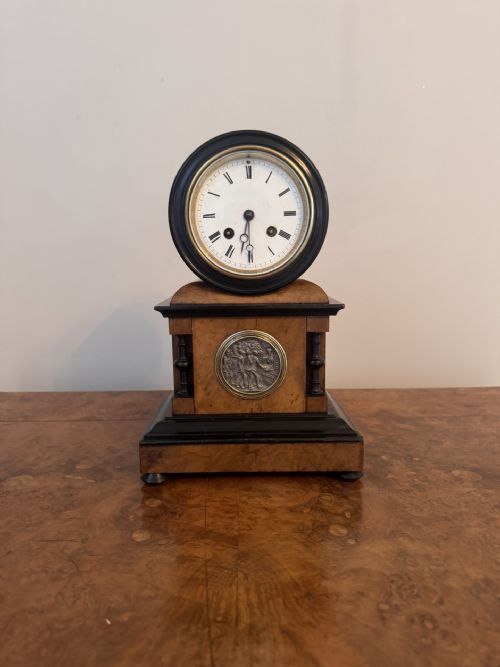
- A portable clock driven by a fusee movement that ensures uniform power delivery as the mainspring unwinds. These precision timepieces frequently sat upon nineteenth-century mantel shelves.
Victorian Carved Mantle: Frequently Asked Questions
How do I choose the right size overmantel mirror?
Measure the width of your fireplace surround to ensure the mirror proportions sit comfortably above the opening without overwhelming the hearth. Most traditional overmantels match or slightly exceed the width of the mantel shelf below.
Consider the ceiling height of your room as well, utilising arched or tall rectangular frames to draw the eye upward and enhance vertical space.
Where should a heavy wooden fire surround be placed?
These architectural elements are designed to frame a fireplace aperture as the primary focal point of a reception room. Proper installation requires secure wall fixings to support the substantial weight of solid oak, pine, or mahogany.
Ensure adequate clearance from active heat sources if the surround is installed around a working hearth to protect the historic timber.
How do I care for nineteenth-century gilt frames?
Dust the carved gesso and gilt surfaces gently with a soft, dry brush to prevent accumulation without disturbing fragile metallic leaf. Avoid liquid cleaners and modern polishes, which can strip historic gilding from the wood beneath.
Keep pieces away from direct sunlight and damp environments to maintain the stability of the underlying timber and plaster.
What distinguishes Rococo Revival mirrors from standard Victorian styles?
Rococo Revival pieces draw inspiration from French eighteenth-century design, featuring asymmetrical scrolls, C-scrolls, and naturalistic floral motifs. The frames display flowing, organic contours rather than strict classical symmetry.
Victorian makers adopted these elaborate, curving forms to introduce movement and decorative drama into formal domestic interiors.