





Victorian Carved Book Display
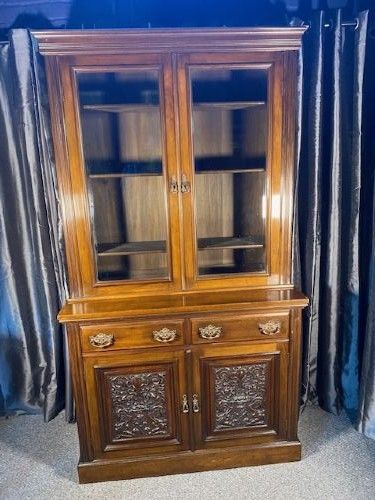
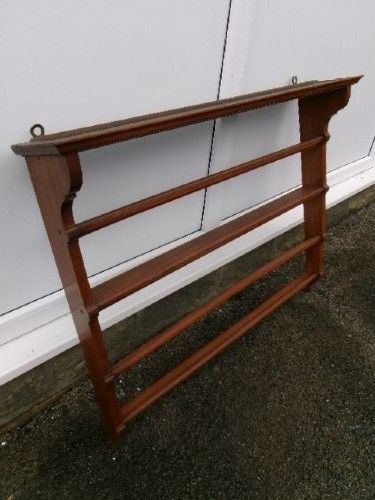
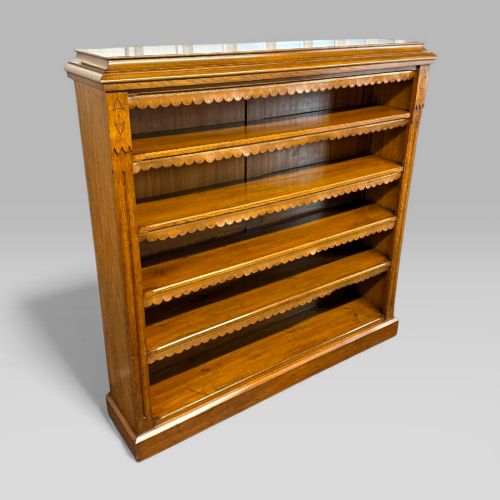
These pieces of a victorian carved book display combine solid timber construction with intricate decoration, offering both utility and a distinct period aesthetic.
Victorian Carved Book Display
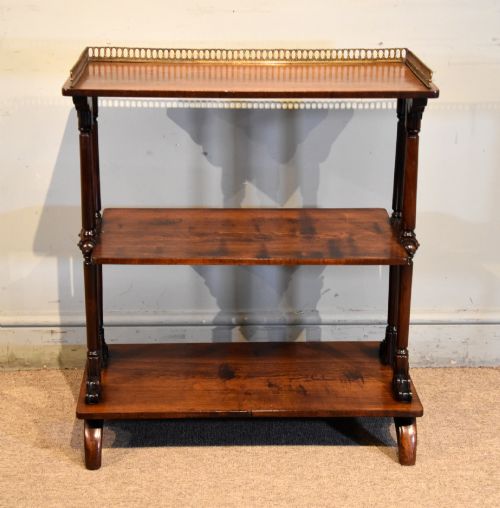
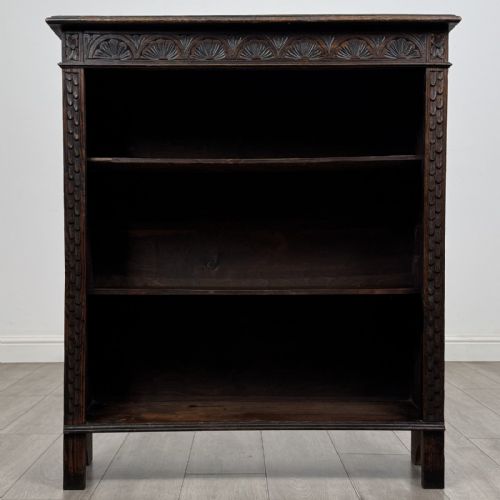
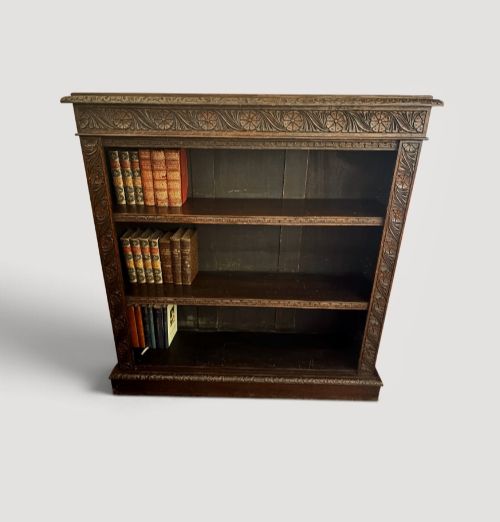
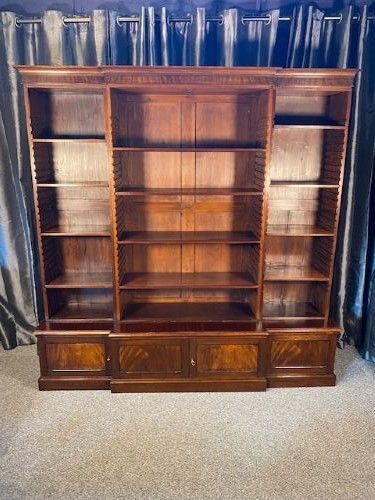
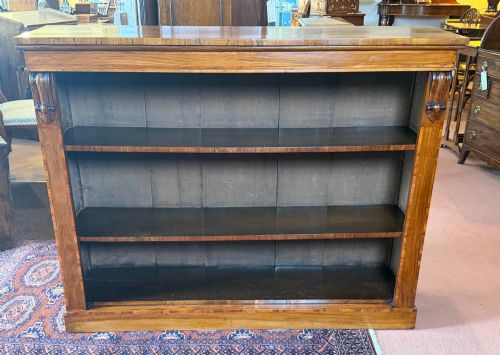
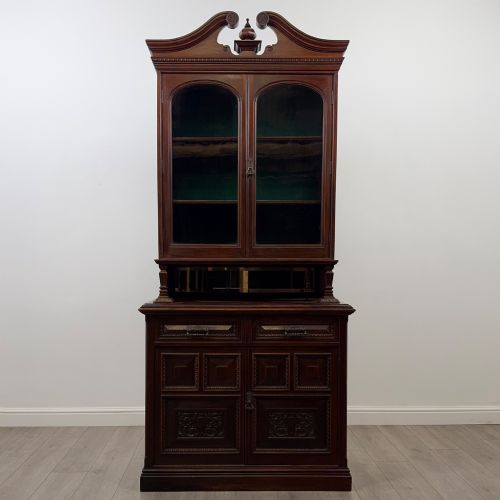
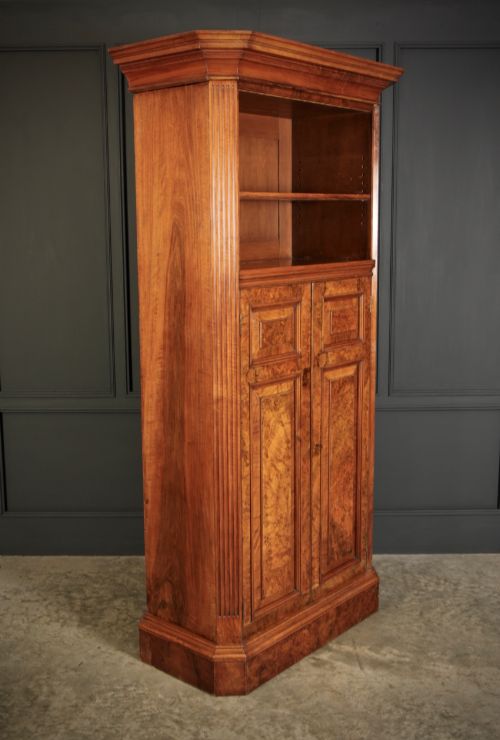
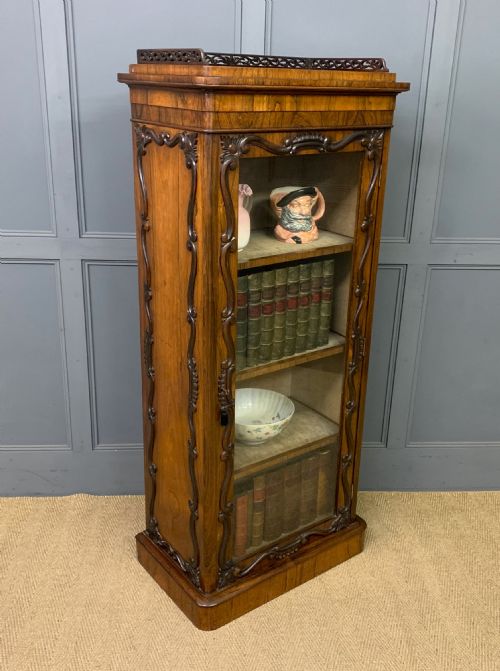
A victorian carved book display typically takes the form of a bookcase, display cabinet, open shelving unit, étagère or whatnot designed to hold and exhibit volumes.
The versions most commonly met on this page span the nineteenth century, including specific styles such as Gothic Revival, Jacobean Revival and Anglo-Indian variants.
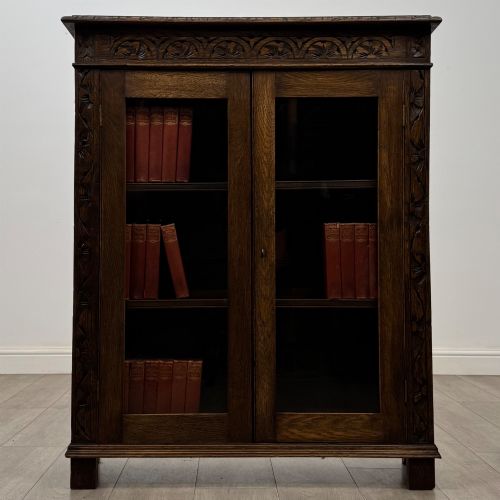
Formats range from tall library breakfronts and glazed cabinets to compact open mahogany or oak bookshelves and tiered stands suited for domestic rooms.
How they were made
Cabinet makers utilised dense hardwoods such as oak, mahogany, walnut, rosewood, burr walnut and pollard oak, often accented with brass fittings or glass panels.
Construction techniques combined traditional joinery with hand-carved detailing, fret-cutting and occasional veneer work to produce robust storage furniture for studies and libraries.
Victorian Carved Book Display Retail Price Guide 2026
Typical asking prices for victorian carved book display among the pieces listed under this phrase on Sellingantiques today, from the lower quarter to the upper quarter. They describe what is for sale here now, not the wider market.
Listings for this phrase frequently feature oak, mahogany and walnut timbers spanning the nineteenth century.
What varies in quality
The standard of a victorian carved book display depends on the selection of timber figures, such as burr walnut or figured mahogany, and the crispness of the hand-carving.
Better examples often include refined architectural elements like breakfront cornices, adjustable shelving and maker attribution, distinguishing utilitarian items from high-end library furniture.
James Winter·Gillows·Holland and Sons
The Victorian Carved Book Display Glossary
- Breakfront
- A cabinet design where the central section projects forward from the flanking sections. This configuration adds architectural depth to large library pieces.
- Étagère
- A set of open shelves for displaying small objects or books. These freestanding pieces often feature multiple tiers supported by slender uprights.
- Pollard oak
- Timber taken from trees that have been pollarded, producing a heavily knotted and decorative grain. It was favoured for high-status Victorian library furniture.
- Whatnot
- A piece of furniture consisting of a series of open shelves used for storage and display. They appeared frequently in nineteenth-century drawing rooms and studies.
Victorian Carved Book Display: Frequently Asked Questions
What is a victorian carved book display?
A victorian carved book display is a piece of nineteenth-century wooden furniture designed to store and showcase books, ranging from open oak bookshelves to glazed walnut cabinets.
These items were built for studies, libraries and parlours, combining practical shelving with decorative woodcarving and period details.
How were these cabinets used?
Original owners used these pieces to house bound volumes, reference books and decorative objects in domestic and institutional libraries.
Glazed versions protected valuable texts from dust and light, while open shelves allowed quick access to working libraries.
How do I identify the wood types?
Victorian cabinet makers used native and exotic timbers, recognisable through distinct grain patterns and colour variations such as the dark reddish tone of mahogany or the swirling figures of burr walnut.
Closer inspection reveals whether the piece uses solid timber throughout or decorative veneers applied to secondary woods.
Where should I place one at home?
These display pieces suit studies, living rooms or hallways where wall space allows for freestanding timber furniture.
Keep them away from direct heat sources and strong sunlight to protect the polished wood surfaces and delicate veneers.