


Victorian Carved Bed
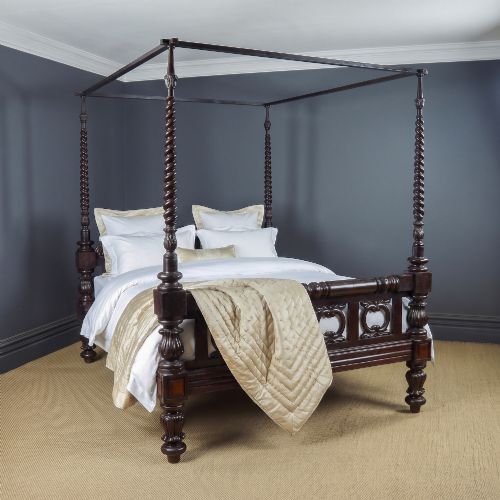
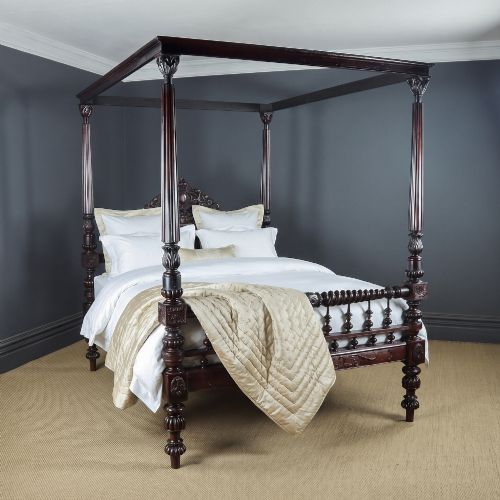
A victorian carved bed brings substantial nineteenth-century presence to a bedroom, offering heavy timber frames and ornate detail.
Victorian Carved Bed
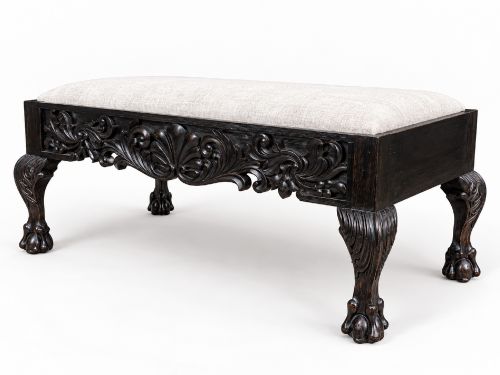
A victorian carved bed encompasses large timber frameworks built during the nineteenth century, ranging from imposing four poster structures to smaller single bedsteads and daybeds. Buyers browsing this selection frequently encounter walnut, mahogany, and oak frames carrying period ornamentation.
The assortment includes double, king, and super king dimensions alongside specialised designs like Anglo-Indian colonial pieces and Gothic Revival adaptations. Most examples date from the mid to late nineteenth century, reflecting the prevailing domestic tastes of that era.
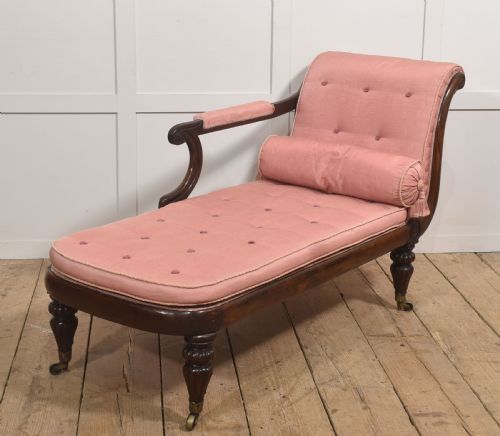
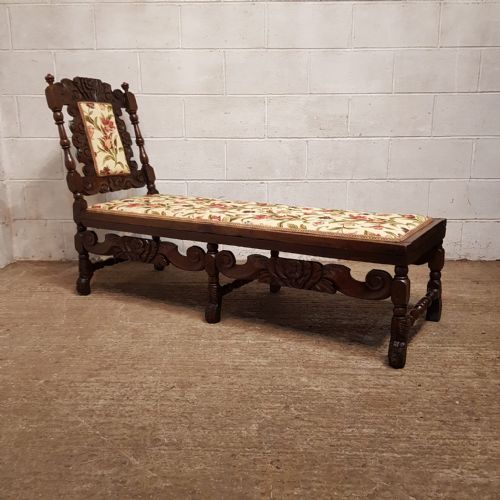
Alongside standard bedframes, the category occasionally incorporates related sleeping furniture such as four-poster tester beds and upholstered daybeds. These forms dominate the current selection, defining the visual character of nineteenth-century bedroom furnishings.
Materials and Construction
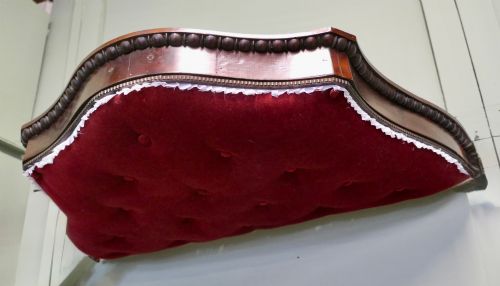
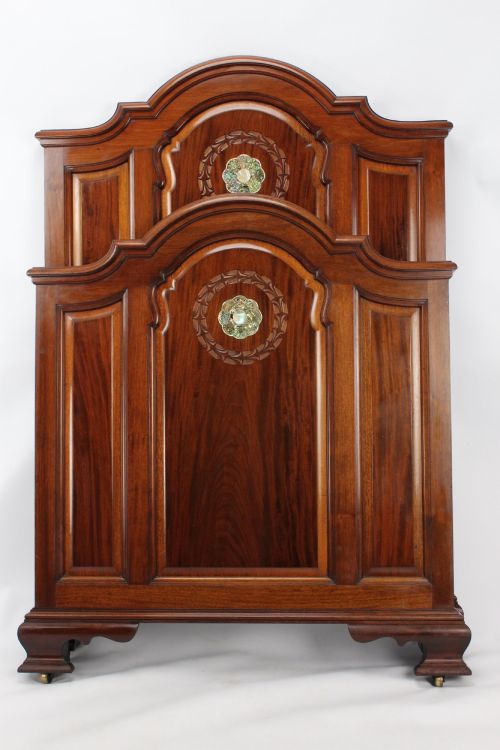
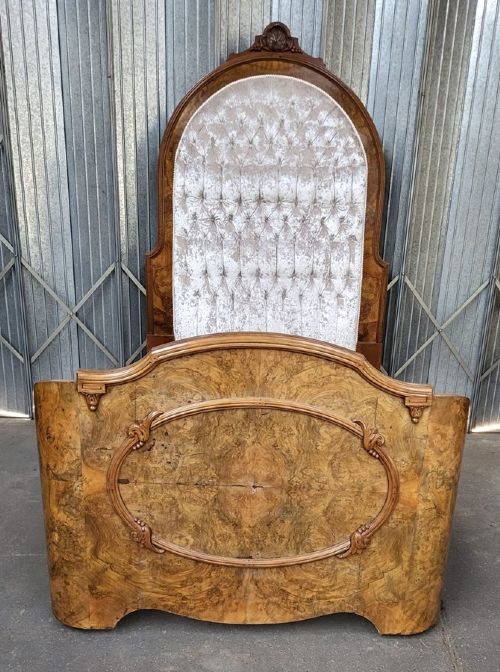
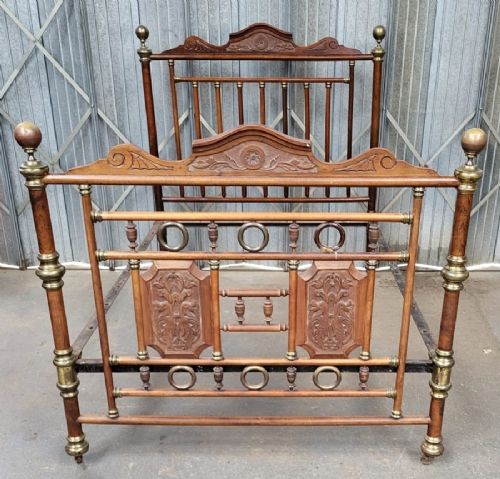
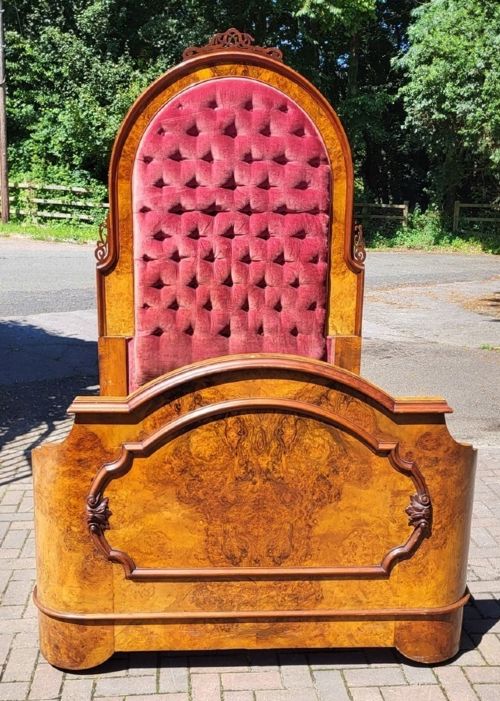
Cabinetmakers constructed these frames using solid hardwoods including mahogany, walnut, burr walnut, and oak, frequently embellished with burr veneers and detailed hand-carving. Brass components and inlaid mother-of-pearl or abalone appear on specific examples to accent the primary timber surfaces.
Upholstered elements utilise fabrics such as velvet, linen, and button-backed textiles set into high wooden headboards. Structural joinery relies on nineteenth-century carpentry methods tailored to large bedstead assembly.
Victorian Carved Bed Retail Price Guide 2026
Typical asking prices for victorian carved bed among the pieces listed under this phrase on Sellingantiques today, from the lower quarter to the upper quarter. They describe what is for sale here now, not the wider market.
Evaluating the Pieces
Quality differences emerge in the depth and precision of the timber carving, the choice of burr veneers, and the integrity of the original framing structure. Elaborate ornamentation on burr walnut or rosewood distinguishes finer workshop output from standard domestic furniture.
The selection of secondary timbers and the preservation of original hardware, brass fittings, or inlaid shell details further separate standard productions from more ambitious furniture commissions.
Waring & Gillows·Howard & Sons·H. Goodall & Sons·Maple and Co
The Victorian Carved Bed Glossary
- Tester bed
- A bedstead featuring a wooden canopy or ceiling supported by vertical posts. This overhead frame often matches the carved detail of the headboard.
- Anglo-Indian
- A furniture style produced in the Indian subcontinent during the British colonial period, utilising dense tropical hardwoods and intricate carving. These pieces frequently exhibit distinct regional design motifs.
- Gothic Revival
- An architectural and decorative style drawing inspiration from medieval design, characterised by pointed arches and heavy ecclesiastical ornamentation. Furniture from this movement employs dark oak and formal geometric carving.
- Burr walnut
- A specialised wood cut from walnut tree growths, prized for its swirling grain patterns. Cabinetmakers applied this timber as a decorative veneer on prominent surfaces.
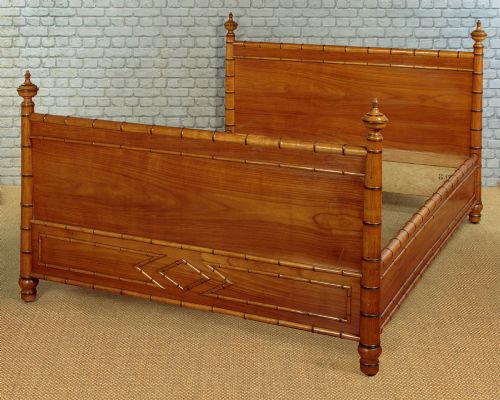
- Faux bamboo
- A decorative finish where wood is carved or painted to resemble natural bamboo stalks. This technique gained popularity in late nineteenth-century European furniture design.
Victorian Carved Bed: Frequently Asked Questions
Are modern mattresses compatible?
Many antique bedframes require custom mattress sizing or modern support bases placed inside the wooden rails. Some listings include the bed base while others supply the frame alone.
Verify whether the internal dimensions accommodate standard modern mattress widths and lengths without requiring extensive modification to the antique woodwork.
How are four-poster beds assembled?
These large structures rely on heavy vertical posts, headboards, footboards, and overhead testers joined by traditional bed bolts or interlocking brackets. Professional installation is often recommended for stability.
Take note of ceiling heights in your home before purchasing a tester bed, as nineteenth-century frames require significant vertical clearance.
How do I care for antique wood?
Maintain nineteenth-century timber by keeping it away from direct heat sources and sudden humidity changes that cause wood to crack. Dust regularly with a dry cloth rather than using heavy commercial polishes.
Apply a traditional beeswax occasionally to nourish exposed mahogany, walnut, and oak surfaces without building up excess residue.