



Victorian Cafe Table
These victorian cafe table pieces bring enduring charm to any interior, offering compact surfaces that pair industrial cast iron with cool stone or warm timber.
Victorian Cafe Table
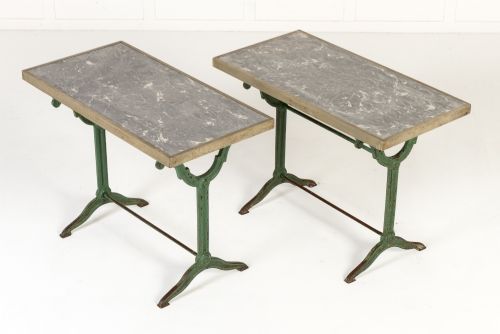
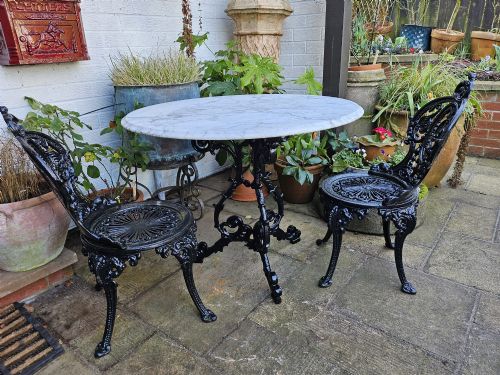
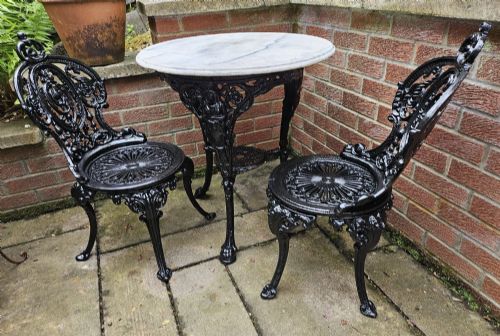
When searching for a victorian cafe table, buyers encounter sturdy commercial and domestic furnishings originating from the nineteenth century onward. These objects take the form of compact bistro tables, garden tables, side tables, and occasional pieces suited for small spaces.
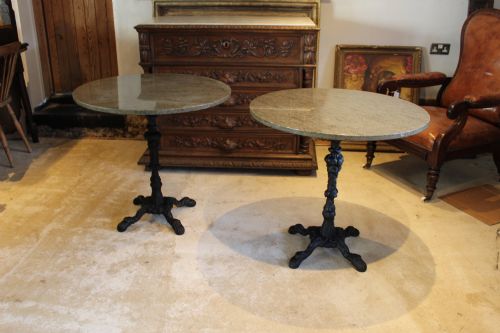
The selections on this page span the Victorian era, nineteenth-century French designs, and early twentieth-century examples up to nineteen thirty. Common configurations include round tops supported by elaborate metal pedestals or tripod bases designed for stability.
Origins vary between British workshops and continental styles such as French bistro and Viennese bentwood pieces. Buyers most frequently meet cast iron bases paired with stone, marble, granite, or wooden surfaces.
Materials and construction
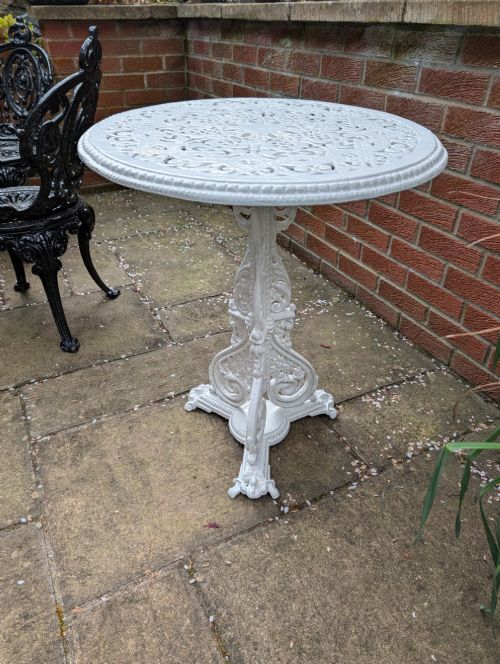
Foundries produced the heavy metal bases utilising durable cast iron and wrought iron, often shaping the pedestals with openwork decoration or cabriole legs. These metal foundations provide the structural weight necessary to support heavy stone surfaces.
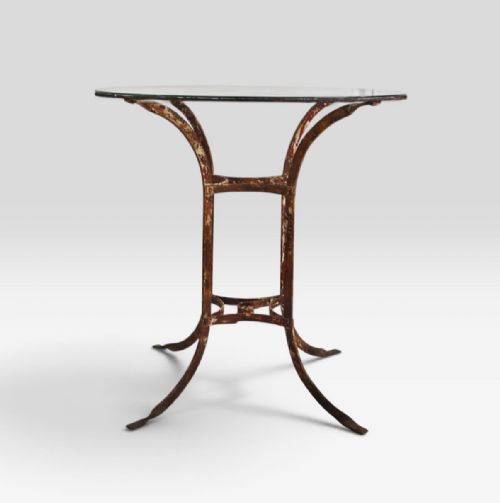
Table tops utilise natural materials including white marble, polished granite, glass, and original mahogany or paint finishes. Manufacturers secured these tops to the iron frames to withstand daily use in hospitality and domestic settings.
Victorian Cafe Table Retail Price Guide 2026
Typical asking prices for victorian cafe table among the pieces listed under this phrase on Sellingantiques today, from the lower quarter to the upper quarter. They describe what is for sale here now, not the wider market.
Early cafe patrons tested table stability by tapping the marble top; a solid thud confirmed a well-poured iron base underneath.
Distinctions in quality
Quality separates simple utility wares from superior examples through the crispness of the iron casting and the complexity of the pedestal design. Finer pieces display deliberate sculptural detail in the metalwork rather than plain industrial moulding.
The choice of top material also elevates a piece, with thick marble or polished granite slabs representing a higher grade than basic timber or painted substitutes. Original surfaces and retained maker designs further distinguish better examples.
Christopher Dresser·Thonet
The Victorian Cafe Table Glossary
- Cast iron
- A strong, rigid alloy poured into moulds to create intricate, heavy furniture bases. It resists weathering and provides a solid foundation for stone tops.
- Bistro table
- A small café or tavern table designed for compact seating. These round or square tables feature single central pedestals or three-leg iron supports.
- Occasional table
- A light, movable piece intended for intermittent use around a room. They function as side tables or small display surfaces.
- Bentwood
- Wood softened by steam and bent into curved shapes. This technique defines lightweight seating and occasional table frames associated with Viennese design.
Victorian Cafe Table: Frequently Asked Questions
Where were these tables used originally?
These tables served patrons in European street cafes, hotel salons, and private conservatory spaces. Their robust construction suited both bustling hospitality venues and domestic gardens.
Over time, owners brought these compact pieces indoors to function as casual dining spots or decorative plant stands in hallways.
How do I clean a marble top?
Maintain marble surfaces by wiping them gently with a damp cloth and mild, non-abrasive soap. Avoid harsh chemical cleaners that can etch the stone.
Dry the surface thoroughly after cleaning to prevent water spots and preserve the natural polish of the material.
Are these tables suitable for outdoor use?
Cast iron frames naturally resist outdoor elements, making them traditional choices for gardens and patios. However, care should be taken with wooden or polished stone tops during harsh weather.
Storing vulnerable tops indoors or under cover during winter months preserves their finish and prevents unnecessary weathering.
How do I identify a French bistro style?
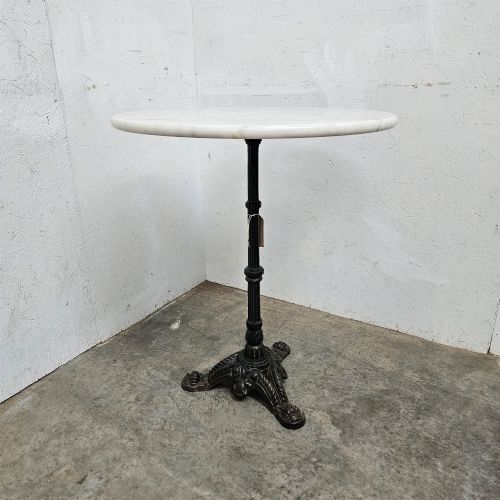
French bistro tables typically feature ornate cast iron tripod bases paired with white marble tops. These designs emphasise slender curves and decorative motifs suited for pavement dining.
Such pieces often display a lighter aesthetic compared to heavier British Victorian industrial counterparts.