



Victorian Caddy Scoop
A victorian caddy scoop is a small serving implement for loose tea leaves, prized for its intricate silver bowl and handle.
Victorian Caddy Scoop
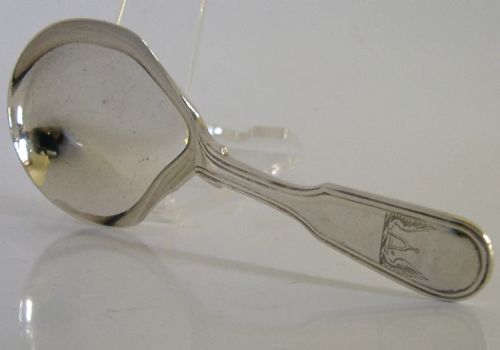
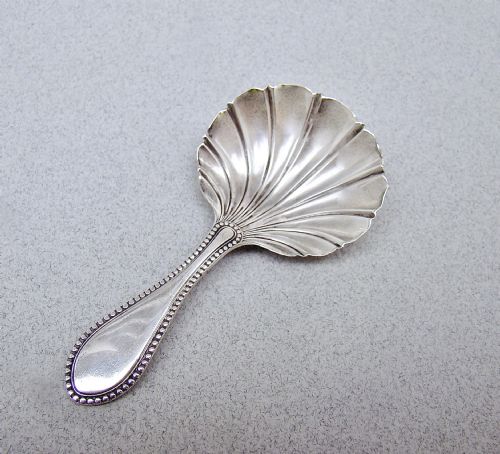
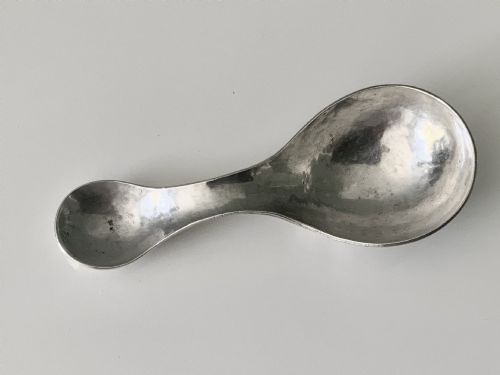
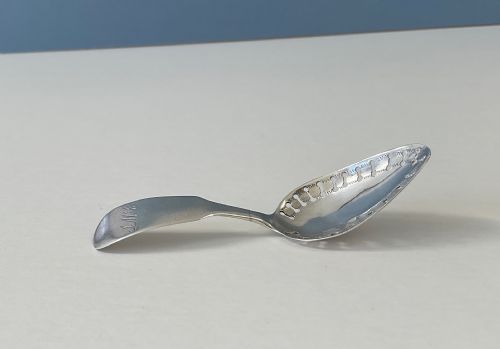
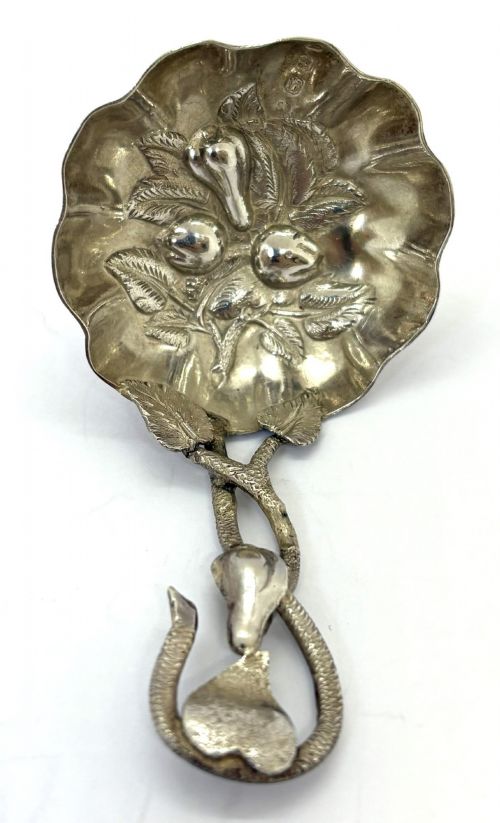
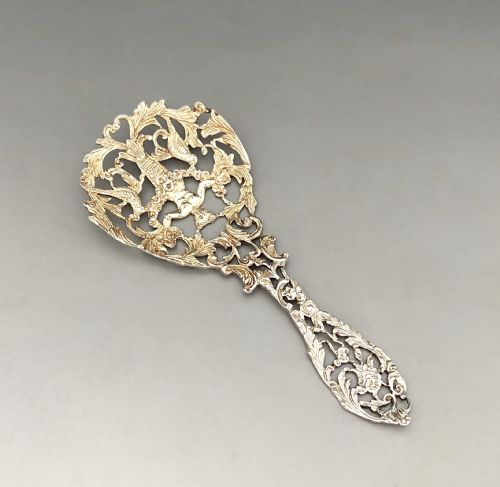
A victorian caddy scoop is a specialised small spoon designed to measure tea leaves from a caddy into a pot. When searching for this phrase, collectors encounter various forms ranging from plain bowls to intricate designs.
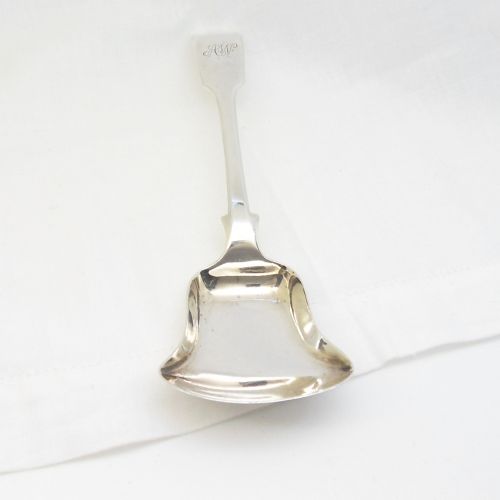
The pieces on this page span the Victorian period alongside items from the Georgian era and the twentieth century. Forms include standard caddy spoons, sugar shovels, and novelty shapes such as a jockey cap.
Origins represented in these listings include Sheffield, Newcastle, and Glasgow, alongside provincial Scottish examples. Most examples on this page date from the nineteenth century.
How they were made
These items are constructed from sterling silver and standard silver. Makers employed traditional smithing techniques to shape the bowls and handles.
Decoration includes foliate engraving upon rectangular bowls and cast silver elements. Makers utilised hallmarks to stamp the metal purity and origin.
Victorian Caddy Scoop Retail Price Guide 2026
Typical asking prices for victorian caddy scoop among the pieces listed under this phrase on Sellingantiques today, from the lower quarter to the upper quarter. They describe what is for sale here now, not the wider market.
Tea drinkers could scoop their leaves with a tiny silver jockey cap rather than a plain spoon.
What varies in quality
Quality differences lie in the depth of the engraving and the crispness of the cast details on the bowl and handle. Plain surfaces rely entirely on the purity of the metal and the balance of proportions.
The distinction between standard utility spoons and novelty pieces, such as those shaped like caps or shovels, alters the character of the design. Maker attribution through clear hallmarks adds a layer of distinction to individual items.
Martin Hall And Co·John Walton·William Comyns·Mappin And Webb·George Unite
The Victorian Caddy Scoop Glossary
- Hallmark
- A series of official marks stamped on silver items to indicate the maker, standard of purity, assay office, and year of manufacture. These stamps provide a secure method of dating the silver.
- Sterling silver
- An alloy consisting of silver and other metals, usually copper, to increase durability while maintaining a bright lustre. It is the primary material for these spoons.
- Foliate engraving
- Surface decoration carved into the metal representing leaves, vines, or foliage. This technique adds texture to the rectangular bowls of the spoons.
- Provincial
- Items manufactured outside of major capital assay centres, often bearing distinct regional marks. Scottish provincial silver is one example found in this category.
- Bonbon spoon
- A small serving implement intended for sweets or small confectionery, sharing similar scale and decorative techniques with caddy spoons.
Victorian Caddy Scoop: Frequently Asked Questions
What is a caddy scoop used for?
A caddy scoop is designed to measure and transfer dry tea leaves from a storage container into a teapot. Their compact size allowed them to sit neatly inside or beside tea caddies.
In the nineteenth century, these small implements became essential tea table accessories as tea grew in popularity and value.
How do I identify a Victorian piece?
Victorian pieces are identified primarily through official silver hallmarks stamped directly onto the metal. These marks often include date letters and assay office symbols corresponding to the nineteenth century.
Stylistic elements like foliate engraving and cast silver handles also point toward the Victorian era when compared to plainer Georgian items.
What is a novelty caddy spoon?
A novelty caddy spoon is shaped into a recognisable object rather than a traditional spoon form. Examples include items fashioned in the likeness of a jockey cap.
These whimsical designs were created by silversmiths to appeal to Victorian tastes for decorative and conversational tableware.
Are these items made of solid silver?
The items listed on this page are formed from sterling silver or standard silver. Silver was chosen for its durability and resistance to tarnish from tea.
Makers stamped the metal to certify its standard before releasing the pieces to the market.