

Victorian Brown Credenza
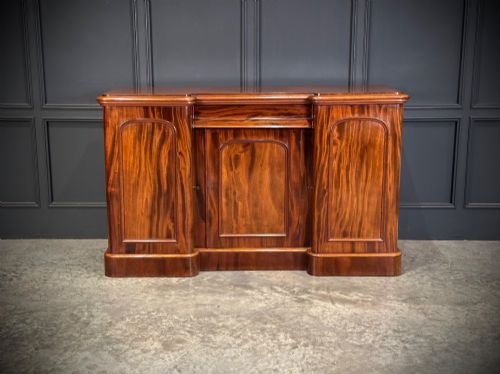
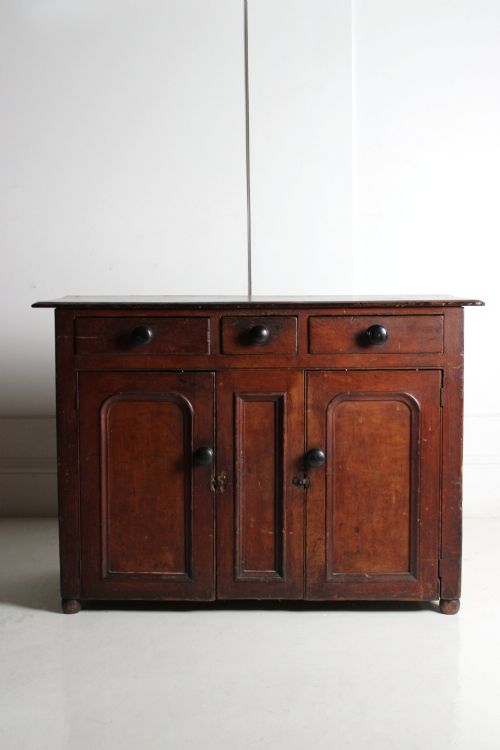
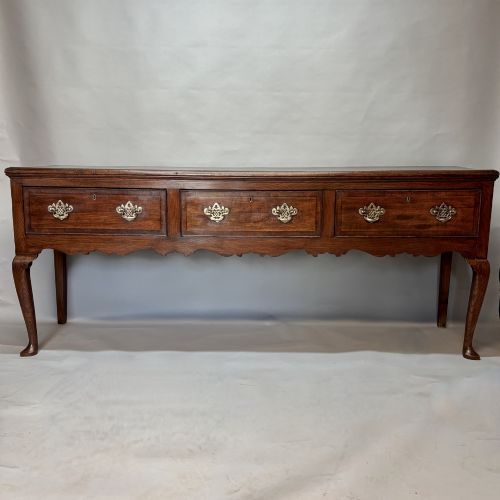
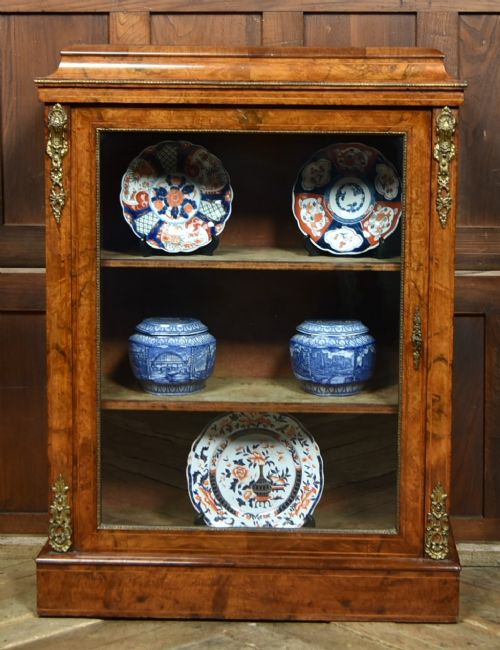
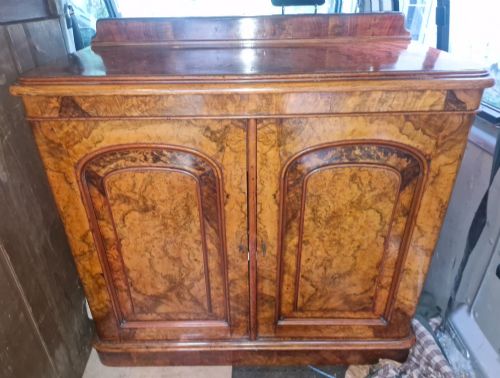
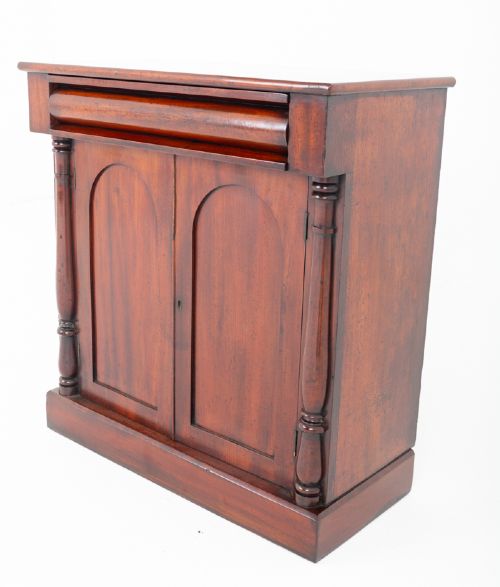
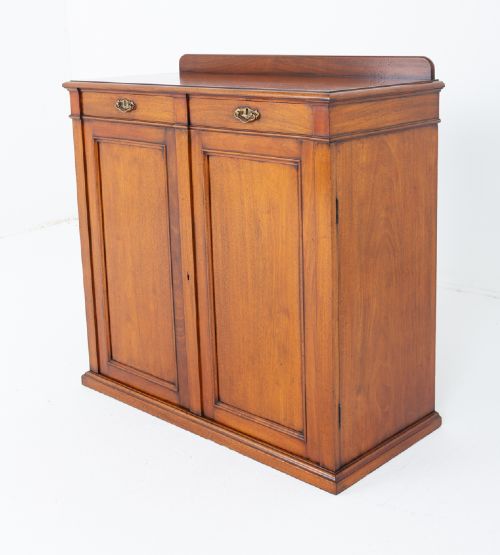
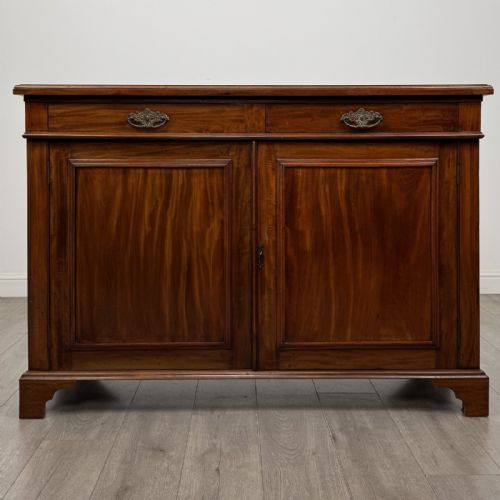
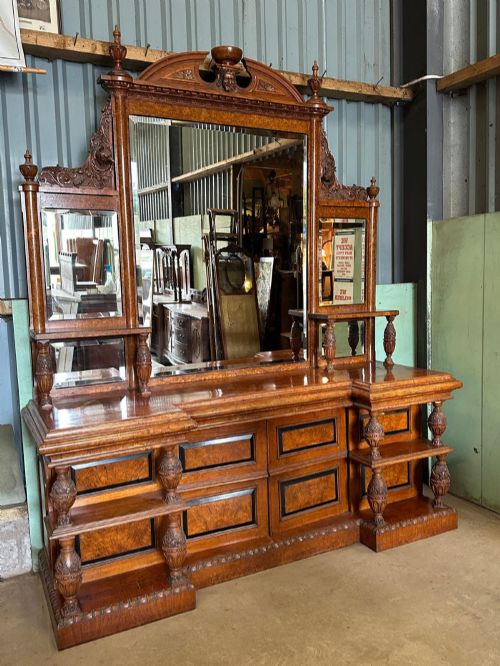
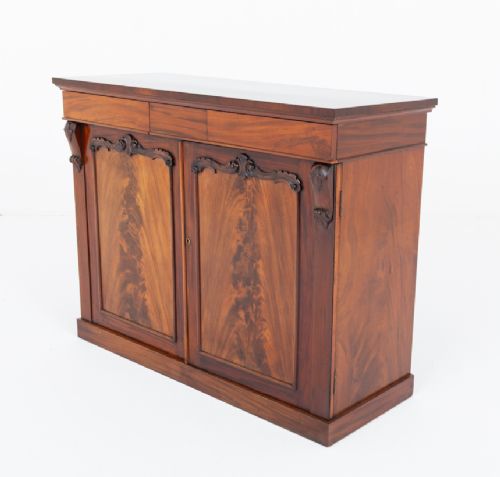
When you want a victorian brown credenza, you are looking for a substantial nineteenth-century storage piece in walnut, mahogany, or oak.
Victorian Brown Credenza
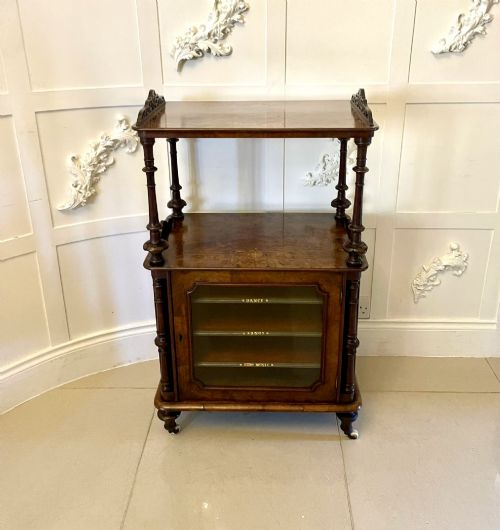
A victorian brown credenza typically takes the form of a low cabinet, often combined with related nineteenth-century brown wood furniture such as sideboards, chiffoniers, and display cabinets.
The pieces span the Victorian period and the wider nineteenth century, featuring woods like burr walnut, mahogany, oak, pollard oak, and rosewood.
Makers and designers from this era utilised various revival styles, including Gothic Revival, Sheraton Revival, and Renaissance Revival, alongside standard Victorian forms.
How they were made
Cabinet makers utilised dense brown timbers such as mahogany, walnut, and oak as the foundational structure, frequently applying burr walnut or amboyna veneers to create rich surface patterns.
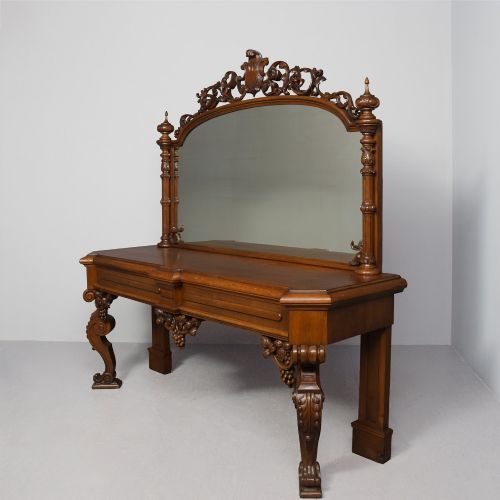
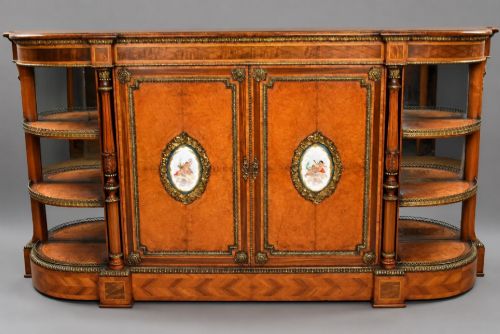
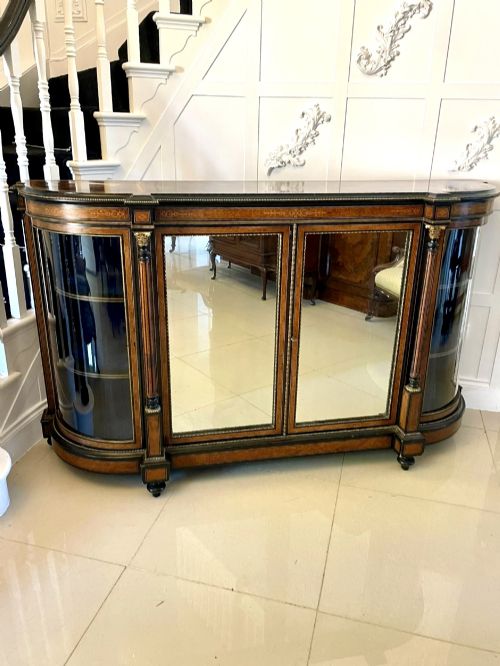
Decoration relied on applied brass or ormolu mounts, ceramic plaques, marquetry inlay, and carved details such as green man motifs.
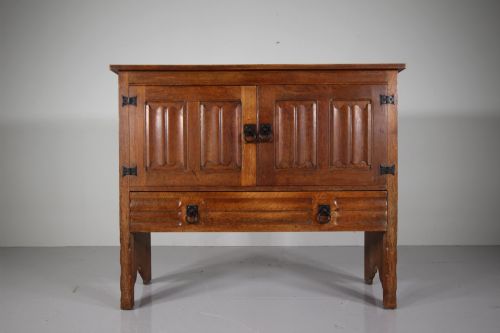
Glazed doors, mirrored backs, marble tops, and iron hardware completed the construction of these substantial nineteenth-century storage items.
Victorian Brown Credenza Retail Price Guide 2026
Typical asking prices for victorian brown credenza among the pieces listed under this phrase on Sellingantiques today, from the lower quarter to the upper quarter. They describe what is for sale here now, not the wider market.
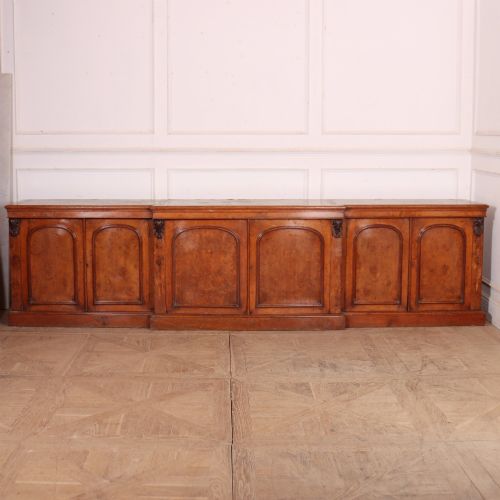
Several heavy oak cupboards on this page hide carved green man decoration within their foliage.
What varies in quality
The degree of refinement in the timber selection and marquetry inlay sets certain examples apart, particularly where figured burr walnut or amboyna is matched across the surfaces.
Quality shows in the execution of carved details, such as mirror backs and figurative elements, alongside the integration of decorative mounts in ormolu, brass, and porcelain.
Hewetsons London·Shoolbred And Co
The Victorian Brown Credenza Glossary
- Credenza
- A low dining-room cabinet or sideboard, frequently fitted with glass doors and decorative mounts. These pieces often feature central cupboards flanked by curved side cabinets.
- Chiffonier
- A compact sideboard or low cabinet popular during the nineteenth century. It typically includes a raised shelf or small superstructure upon the top surface.
- Marquetry
- The art of forming decorative patterns using thin slices of wood veneer on a solid timber carcase. Cabinet makers utilised contrasting woods to create intricate geometric and floral designs.
- Ormolu
- Gilded bronze mounts applied to furniture for decorative effect. Makers used these metallic elements to accent the corners, borders, and friezes of walnut cabinets.
- Pollard oak
- Oak timber taken from pollarded trees, exhibiting a dense, clustered grain pattern. This highly figured wood was selected for prominent panels on nineteenth-century sideboards.
Victorian Brown Credenza: Frequently Asked Questions
What is a victorian brown credenza?
A victorian brown credenza is a low nineteenth-century cabinet built from dark timbers such as walnut and mahogany, often featuring glazed doors and decorative mounts.
These items served primarily in dining rooms and parlours for displaying and storing tableware.
How were these cabinets used?
Nineteenth-century households utilised these low cabinets to store china, glass, and silverware while using the top surface for display.
Larger versions combined storage cupboards with shelving, serving as the central furnishing in formal dining spaces.
How do I live with one?
These dark wood cabinets suit traditional and contemporary interiors alike, serving well as media units or dining room storage.
Their polished wooden surfaces require minimal maintenance beyond regular dusting and occasional waxing to preserve the timber grain.
How do I tell periods apart?
Early Victorian pieces often display simpler mahogany forms, while later nineteenth-century examples frequently incorporate burr walnut veneers, marquetry, and revival styles.
Stylistic shifts from Sheraton Revival to Gothic Revival help narrow down the decade of manufacture alongside hardware types.