



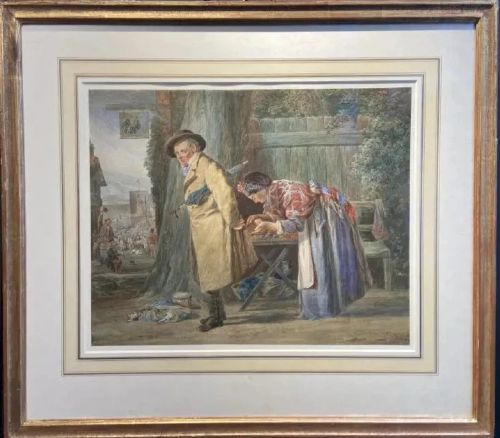
Victorian British Watercolour Art
Victorian british watercolour art captures the varied coastal, rural, and domestic scenes of nineteenth-century life on paper.
Victorian British Watercolour Art
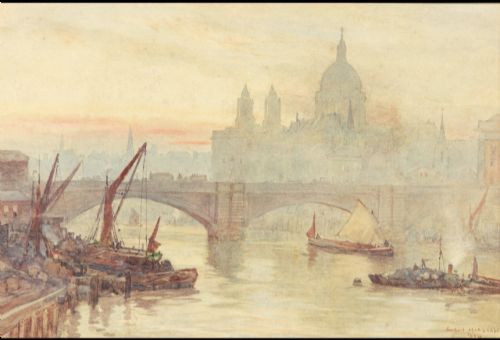
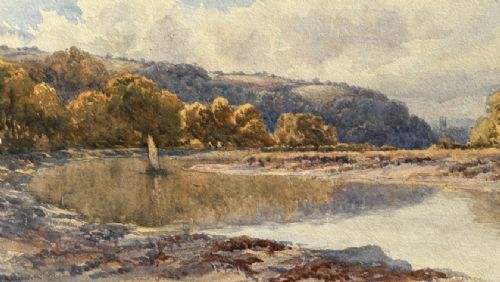
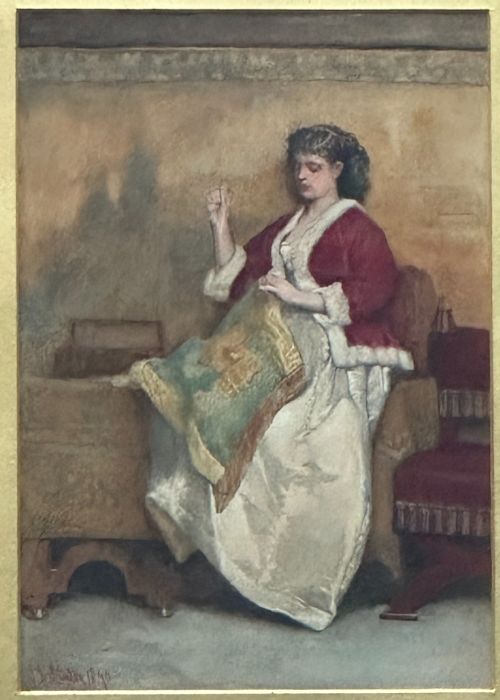
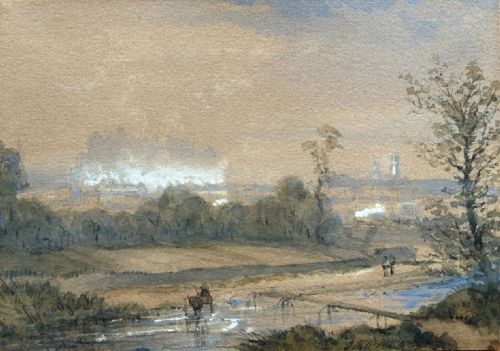
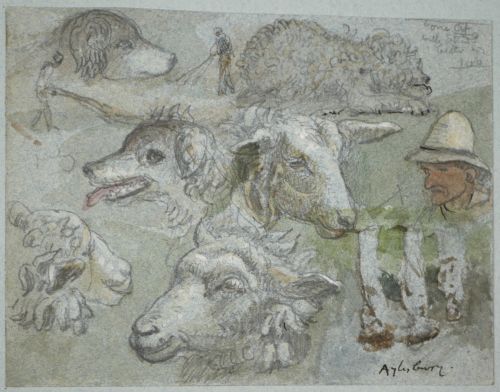
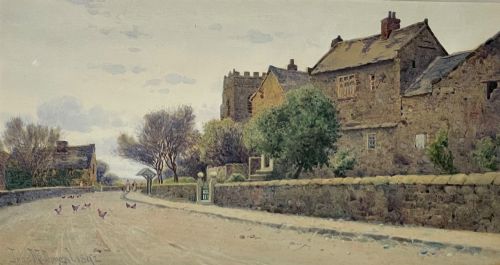
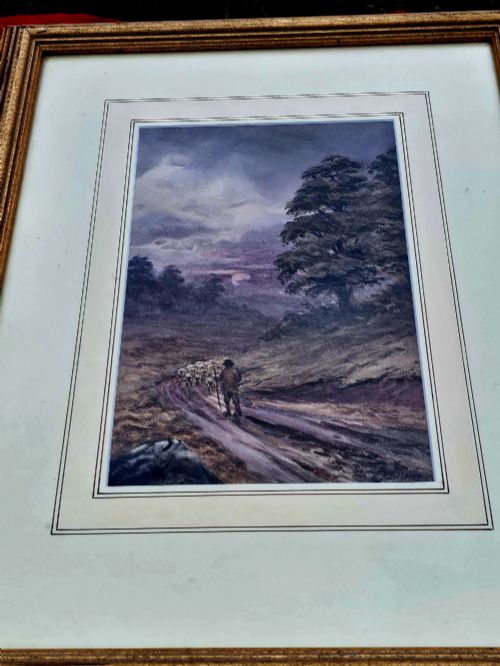
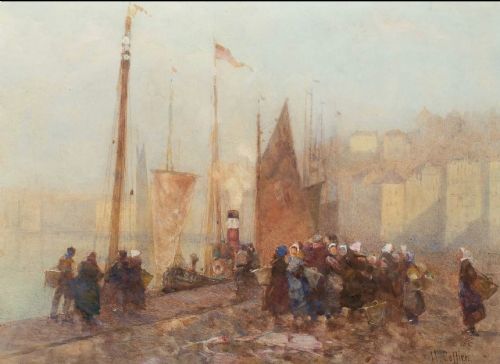
Victorian british watercolour art encompasses original paintings and drawings produced across the nineteenth century and into the early twentieth century. These works capture diverse subjects including coastal harbours, rural landscapes, maritime shipping, genre scenes, and intimate portrait miniatures.
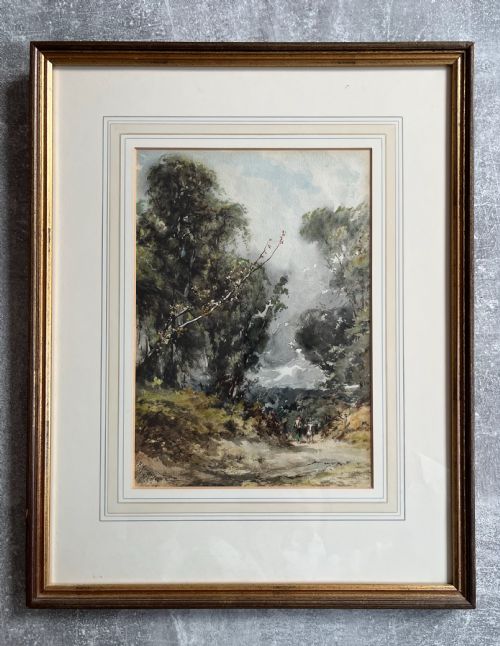
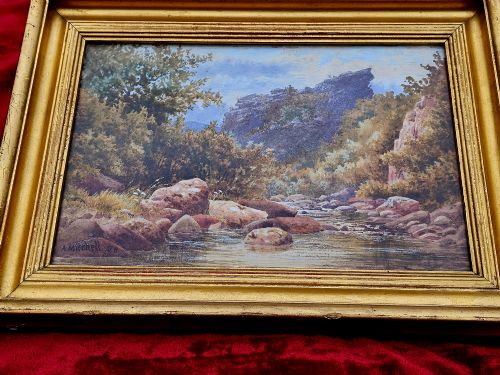
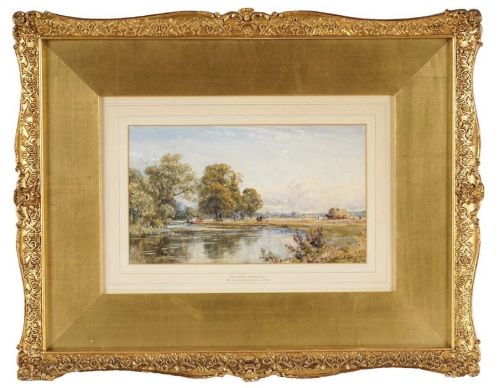
The pieces on this page are predominantly framed paper works executed by British artists, ranging from provincial views to Royal Academy exhibits. Common formats include landscape and portrait compositions presented behind glass within wooden and gilt frames.
Works span styles from straightforward topographical recording to atmospheric British impressionism and maritime art. Buyers encounter both signed cabinet pieces by known practitioners and accomplished unsigned studies from the period.
How They Were Made
Artists worked primarily with watercolour pigment applied to paper supports, often employing pencil underdrawing to establish composition and perspective. Selected works incorporate gouache highlights or gum arabic to enrich colour depth and create luminous surface effects.
Finished sheets were traditionally mounted behind glass within protective wooden frames, frequently enhanced with gold leaf or gilt wood mouldings. These conservation choices protected delicate pigments from environmental degradation and light exposure.
Materials recorded across current items include paper, watercolour pigment, glass, wood, gold leaf, and gilt wood.
What Varies in Quality
Quality rests upon the artist's handling of tone, light, and pigment transparency, which distinguishes spirited direct observation from mechanical formula. Stronger compositions demonstrate confident brushwork and a secure command of atmosphere, particularly in difficult subjects like moving water or changing weather.
The preservation of the paper support and the vibrancy of the original watercolour pigment heavily influence overall standing. Works that retain their original tonal contrast without severe fading or foxing represent the upper tier of surviving examples.
George Fotherly Hargitt·James Orrock·Sir James Dromgole Linton·John R Prentice·Alfred Young Nutt·James Smetham·A. Mitchell·John McDougal·EJ Letheren·William Banks Fortescue·Henry Silkstone Hopwood·Robert Thorne Waite·Hector Caffieri·Joseph H Barnes·Thomas Bush Hardy·Frederick James Kerr·Alfred G. Morgan·Henry Martin Pope·John Sherrin·David Cox·George Stanfield Walters·Henry Barlow Carter·Frederick Hines·William Frederick Settle·Cornelius Pearson
The Victorian British Watercolour Art Glossary
- Watercolour pigment
- Finely ground colour particles mixed with a water-soluble binder, traditionally gum arabic. This medium allows artists to achieve delicate washes and luminous transparency.
- Gilt wood
- Timber framing finished with a thin layer of gold leaf or metallic powder. It provides a traditional decorative border that complements nineteenth-century painting.
- Portrait miniature
- A small, highly detailed painting executed on paper, ivory, or vellum. These intimate works frequently depict specific individuals with precise facial likeness.
- Genre realism
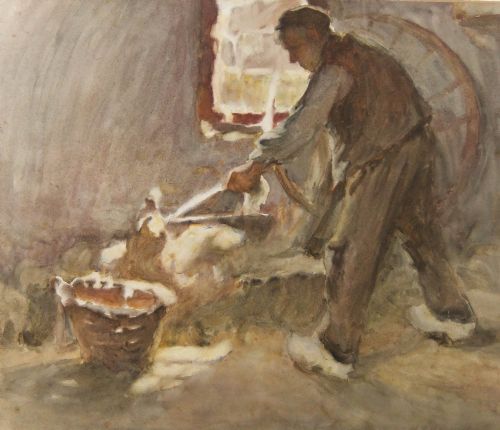
- Artistic representation of subjects from everyday life, such as street vendors, blacksmiths, or domestic scenes. This style focuses on authentic human activity without idealisation.
Victorian British Watercolour Art: Frequently Asked Questions
How should I frame and display these watercolours?
Watercolours require careful framing behind glass using acid-free mounts to prevent permanent damage from paper acidity. Direct sunlight causes fugitive nineteenth-century pigments to fade rapidly, so position pieces away from bright windows.
Maintain stable indoor humidity levels to protect both the paper support and the antique wooden or gilt frame. Professional conservation framing ensures the artwork remains sealed against dust and atmospheric pollutants.
Are these watercolours signed by the artists?
Many works retain the artist's original signature, monogram, or contemporary inscription on the front or reverse of the sheet. Signatures help attribute pieces securely and link them to exhibition records or biographical archives.
Unsigned watercolours also appear frequently, often representing competent studio practice, preliminary sketches, or accomplished work by regional practitioners whose names were lost over time.
What subjects are most common in these paintings?
Coastal views, fishing boats, and harbour scenes dominate the selection, reflecting the nineteenth-century fascination with maritime life. Rural landscapes, river valleys, and agricultural harvesting also recur frequently across different regional schools.
Domestic genre scenes, architectural studies of historic chapels and castles, and botanical still lifes provide further variety for collectors. Each subject reflects the prevailing artistic tastes and travel patterns of the Victorian era.